Dean’s Forum: Learning from the Past
On February 26, 2026, Dean Jodi Sandfort hosted a conversation with panelists Dafeng Xu (Evans School) and Catherine Clement about…
Faculty
Assistant Professor
How public policies related to the built environment (e.g., land use and infrastructure) interact with marginalized communities.
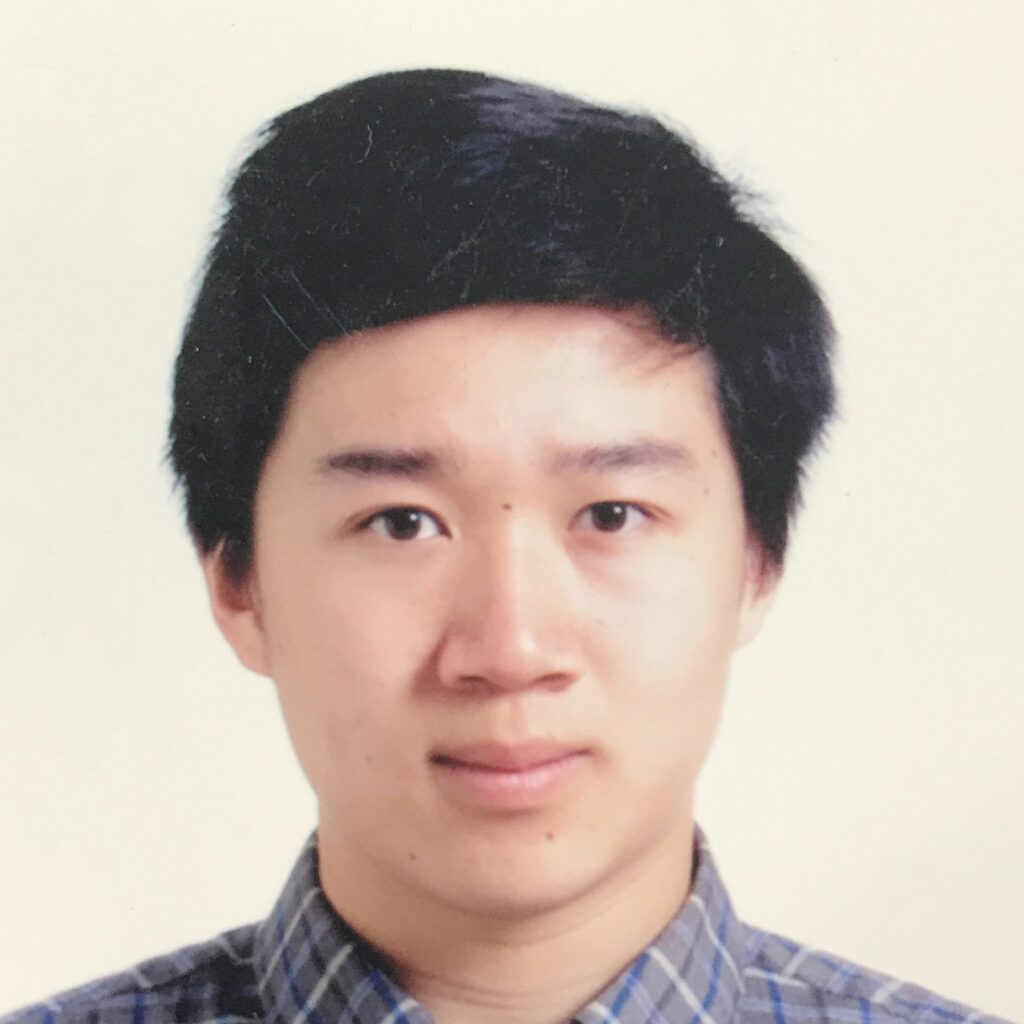
In Autumn 2019, Dafeng Xu joined the Evans School of Public Policy & Governance as an assistant professor. His areas of research include urban and regional policy, immigration policy, infrastructure policy, and big data analytics.
Broadly, Dafeng’s research focuses on the interactions between people/communities and various built environment components, such as land use mix, transportation networks, utility facilities, population density, and architecture and design. He studies both the social and economic effects of the built environment, and the policy processes behind the making of the built environment. Regions of interest include the U.S. and Sub-Saharan Africa, and more recently China.
Specifically, one research stream focuses on how marginalized groups participate in the processes of shaping the local built environment, and how the built environment affects their social and economic outcomes. Topics include job accessibility, segregation, social networks, and travel behaviors. Another research stream focuses on how the planning of environmental infrastructure serves as policy tools, as well as the causes and consequences of these policies. Topics include sustainable transportation, waste management, disaster planning, and water supply.
More recently, Dafeng has begun to research online social networks using computational and statistical methods in his built environment research. Topics include public opinion on environmental infrastructure, cultural and ideological segregation, engagement and participation, and identities.
Dafeng received his Ph.D. in City and Regional Planning from Cornell University in 2016, with a minor in demography. He received his Master’s in Systems Engineering from the University of Pennsylvania in 2013 and B.S. in Computer Science from Peking University in 2011. Prior to joining the Evans School in 2019, he was a postdoctoral scholar and a data scientist at the University of Minnesota.
Environmental Policy
Information Technology
Metropolitan Planning & Urban Policy
Policy Analysis Tools & Methods
Program Implementation and Service Delivery
Social Policy
PUBPOL 527 – Quantitative Analysis I
PUBPOL 562 – Immigration Policy
PUBPOL 599 – Natural Language Processing for Public Policy
On February 26, 2026, Dean Jodi Sandfort hosted a conversation with panelists Dafeng Xu (Evans School) and Catherine Clement about…