Skip to content

Policy Matters: Vote-by-Mail

Policy Matters: Scott Allard's Ballots Research

Evans faculty Scott Allard shares why policies around vote-by-mail matter.

Vote-by-Mail System

Voting is one of the most common and important ways we participate in civil society and the political process. Many of us see this as our civic duty. And in Washington State, we vote by mail and have been voting fully by mail for more than a decade. It’s an essential part of how we determine who leads our state and communities, how we fund our schools, and how we set priorities for policymakers.

But compared to in-person voting, vote-by-mail requires voters to not just complete their ballot, but to properly sign their ballot envelope.

About two weeks before each election, registered voters in Washington voters receive ballot materials in the mail. These materials include the ballot itself, a security sleeve, and the return envelope. Each ballot and ballot envelope is linked to a specific registered voter. Once a voter completes their ballot, they place it in the envelope, seal the envelope, and are instructed to sign the envelope to verify their identity. With these steps completed, the voter then returns the ballot to their county election office through the mail or at a drop box location. To be counted, ballots must be postmarked by election day or dropped in a ballot box by 8pm on election day.

Ballot Security

To maintain a secure and strong vote by mail system, it is essential that county election offices verify the identity of each ballot received – linking it to its correct registered voter. And in Washington, as do other states, it is the voter’s signature on the ballot envelope that is used to verify identity.

We might ask why do we use signatures? Aren’t there other ways to use technology to verify identity, as we do in other settings – things like two-factor identification? These are good questions, but at this point voter signatures seem to be the most accurate and equitable way to verify ballots are being cast by their proper registered voter. We gather signatures at the point of voter registration and county election offices can use sophisticated digital signature matching techniques to ensure voter identity. Other options that rely on technology may not be as accessible to all voters – and election officials worry that would disproportionately harm certain voters, such as those who are older or who do not have a smartphone.

But signatures verification requires us to remember to sign our ballot and to sign it in a manner that matches our registration signature on file. And, each year, about 1 percent of all voters forget to sign their ballots or return the envelope with a signature doesn’t quite match what is on file. In these cases, the voter receives an invitation to “cure” or fix your ballot – typically within a few days of casting the ballot. If you receive a cure notice, you have until about two weeks after the election to cure your ballot in a process that essentially involves providing a signature and verifying you are the registered voter. And roughly 60 percent of voters who receive a cure notice follow-up and correct their ballot signature.

Challenges with Vote-by-Mail

So, what’s the problem? Voters do a great job. WA State’s vote by mail system is a national leader. County election offices are recognized for the excellence of their work.

First, several thousand ballots ultimately aren’t cured by the voter. Several thousand more are received late and aren’t counted. We want to ensure that voters who are trying to exercise their civic duty have the best chance of having their ballots counted. And, we can find examples everywhere of how every vote counts. Our state and communities have many, many examples where an election, or a school bond vote, or a ballot initiative passed by just a few votes.

Ballots and Public Policy

It is at this point, after a ballot has been cast, where I think public policy, research, and our core values as a society really come in. In 2022, the Evans School started working with the Washington State Legislature and the Secretary of State’s office to examine the voter experience and find ways to improve that experience. In effect, what can we learn from data and voters to reduce signature challenges and to help voters to remember to get their ballots in on time.

We first looked at the data. Several important trends showed up. First, younger voters are 4 times more likely than older voters to leave an unsigned or mismatched ballot uncured. Similarly, voters of color are about twice as likely as non-Hispanic White voters. Importantly, we didn’t see much evidence that rural voters were more or less likely to have ballots challenged or rejected than urban voters.

So, we started to consider why we might see these patterns. We spoke to election officials, we spoke to voters – and a few things stood out. Many voters are unaware that their signature is being matched to what is on their voter registration – which most commonly is our driver’s license signature in Washington because most people register to vote at the DOL. This means people may not be signing with intention or may be signing with a nickname or shortened name. And, in today’s world, we realized that most of us don’t really sign our names pen to paper as we might have – often we are using fingers on touchscreens to sign our names.

We also found that ballot envelopes and voter materials could be improved to help reduce signature issues on ballots. For example, not all materials may be translated in a voter’s preferred language. The ballot envelopes themselves vary across the state. So, there is room to use human-centered design principles to improve how those envelopes help to remind voters to sign their ballot envelopes.

Finally, voters often don’t realize that they can use technology to ensure their ballot is processed. We can sign up for email or mobile text alerts in many cases, and we can track the path of our ballot at VoteWA.gov.

The last issue we encountered related to late ballots, which is often the most common reason ballots are not counted. Here, we found that primary and off-year general elections saw higher numbers of ballots being returned late compared to presidential elections. This makes sense, at some level, people vote with more intensity in presidential years – but it also suggests there are opportunities to remind voters about election day deadlines. We also found that some ballots are placed in the mail too close to election day to be postmarked on time.

Research Takeways

Three key takeaways seemed to emerge from our research – commonsense tips to help us all exercise our civic duty:

  1. Sign your ballot
  2. Sign your driver’s license signature
  3. Get your ballot in early and follow it on VoteWA.gov

There is a bit more. We worked with the Center for Civic Design to use human centered design principles to improve the ballot envelope – like having the seal and the signature box on the same side, and having the signature box be larger and directions clearer. Since voters can receive ballot materials in a language they prefer, we also encourage policymakers to think about how all aspects of the process can have translated materials. We also know that counties can continue to advance efforts invite voters to opt into text message and email notices about their ballot status.

In the end, efforts to improve the voter experience give us more confidence in our election system. And, as importantly, improving the voter experience ensures that our voices shape the decisions that matter most to our communities and families.

Learn more about the Vote-by-Maill Research

Reducing Child Marriage Through Community Intervention

An empty classroom with wooden desks and a blackboard

Evans faculty Isabelle Cohen co-authored an article in the journal Nature that looks at how a northern Nigerian program is helping to dramatically reduce child marriage rates. “Pathways to Choice” is a woman and Nigerian-led program run by the Centre for Girls Education that uses a range of community approaches to support girls schooling. By working with engaged community and religious leaders, the Pathways program provides girls with safe-space groups, remedial education, and help reenrolling in school or vocation training.

Isabelle brought her background as an economist with nearly fifteen years’ experience working in developing countries to figure out how best to conduct quality research and evaluate the program’s impact. The research team surveyed 1,181 unmarried girls between 12 and 17 years-old across 18 communities before half of communities were randomized into the program in 2018, then surveyed the same girls again after the program had ended in 2020. They found that 79% of girls in communities that participated in the program remained unmarried, compared with only 13.8% in communities who did not.

Isabelle and her colleagues concluded that the Pathways program increased the perceived value of girls’ education and reduced the stigma of delaying marriage. With more than 12 million girls marrying before the age of 18 every year, leading to less schooling and autonomy and greater health risks around childbirth, the results from the Pathways program offer promising solutions.

Currently, variations of Pathways are being tested in 40 communities in Kaduna State in Nigeria to further inform cost-efficient scale. The Centre for Girls Education is partnering with CARE to adapt the program in neighboring Niger. Both projects are funded by the Gates Foundation.

Read the Policy Brief

Summer Policy Academy 2026

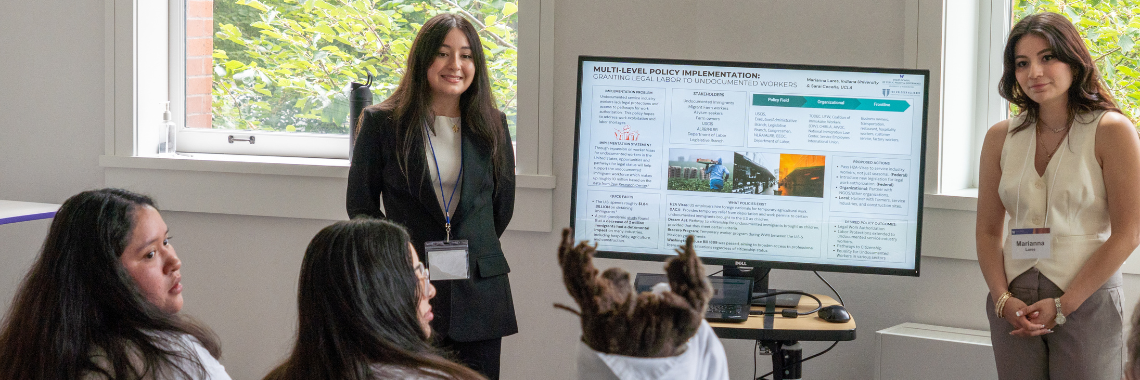
Two NextGen SPA students stand next to a screen with their presenation

Launch Pad for the Next Generation of Leaders

We are proud to welcome cohort for the 2026 Summer Policy Academy—a dynamic group of emerging change makers, aspiring public service practitioners, and future leaders committed to shaping thoughtful, impactful public service and policy fields.

After a highly competitive selection process, these individuals stood out not only for their academic excellence, but for their curiosity, leadership, and dedication to addressing complex societal challenges. Their diverse perspectives and experiences will enrich this year’s Academy as we explore pressing policy issues, engage with leading experts, and develop innovative solutions for the public good.

The Summer Policy Academy continues to serve as a launchpad for the next generation of public service leaders, equipping participants with the tools, networks, and insights needed to drive meaningful change.

To our 2026 cohort: congratulations on this well-deserved achievement. We look forward to the ideas you will spark, the conversations you will lead, and the impact you will make.

Let the journey begin!

2026 NextGen Summer Policy Academy Students

Aaron Tolberd

Abigail Wells

Alejandro Schmidt

Alexander Aviña

Anh Thu Nguyen

Araceli Lopez Ayala Vanover

Brian Kum

Brianna Jackson

Chantel Chestnutt

David Nguyen

Deissy Mendez

Dwight Brown II

Gabriel Axon

Graciela Lora

Hannia Hernandez-Mendoza

Jocelyn Trinidad

Joseph Bashore

Madison Rainwater

Maya Moultrie

Sammy Randle III

Sanay Tufekci

Sara Castiblanco

Sebastian Vera Cuevas

Tamika Gomez-Rojas

Zania Jean-Bart

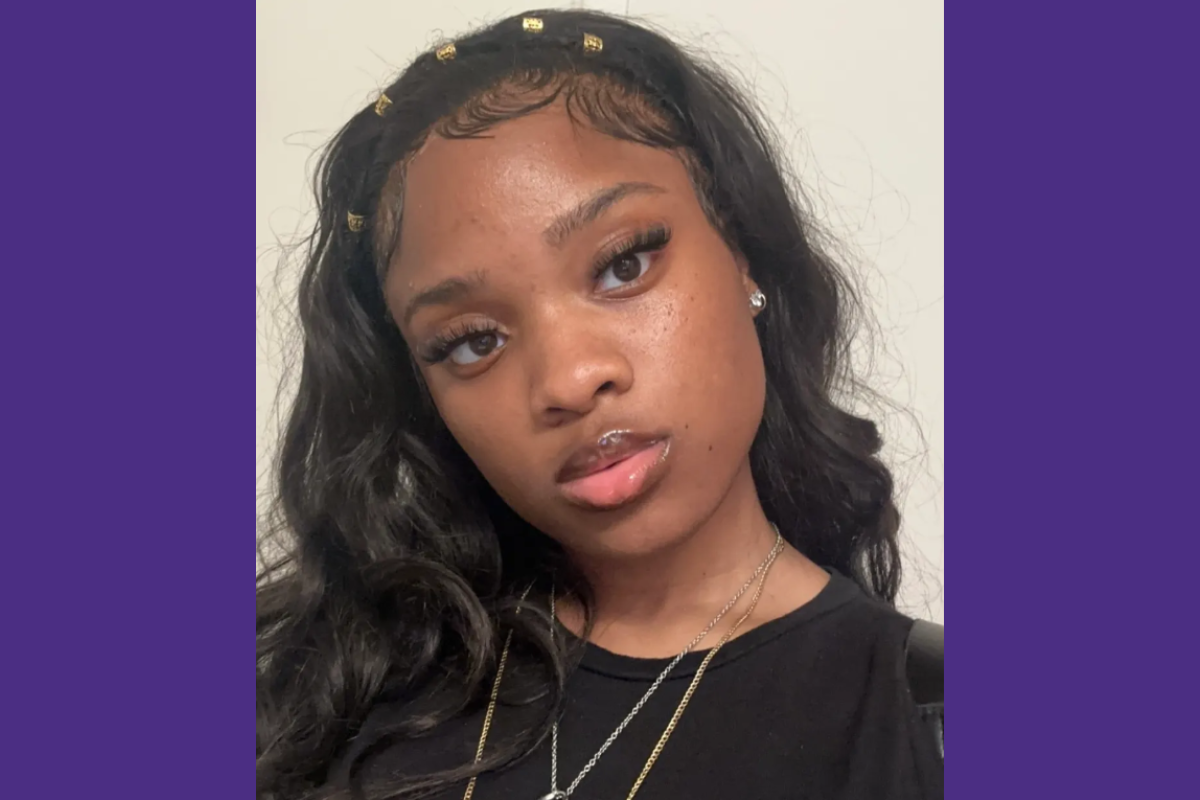
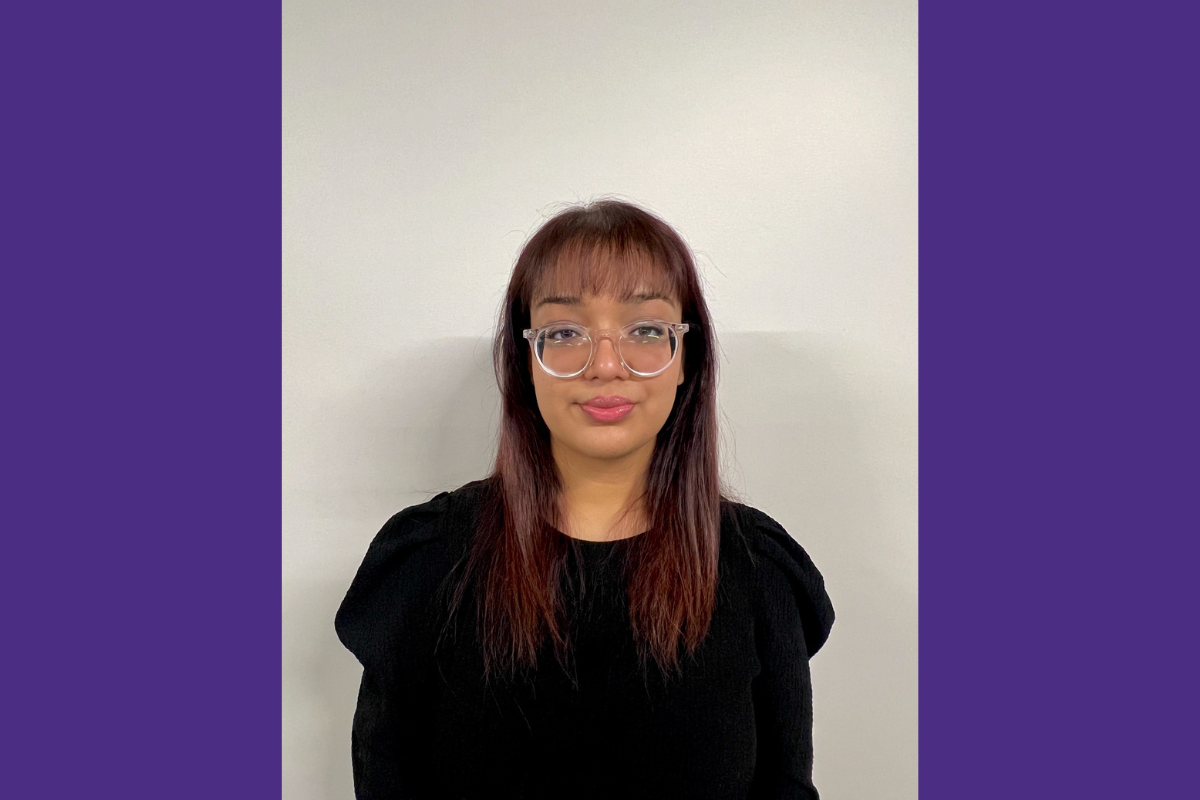
NextGen SPA Profile: Nahje McDowell

Nahje McDowell
  • Pronouns: She/Her
  • Hometown: Queens, New York
  • College/University: Baruch College
  • Major: Finance

Tell us a little about yourself?

My name is Nahje and I am a junior at Baruch College. I am majoring in Finance with a minor in Law and an Interdisciplinary Minor with Honors in New York Studies. I enjoy crocheting, cooking, and watching movies in my free time.

What is your dream job? What kind of impact do you hope to make?

My dream job is to be a Lawyer and Arbitrator/Mediator. I hope to inspire those around me by showing them that you can do whatever you put your mind to if you just try.

Who is your favorite public servant and why?

My favorite group of public servants would be teachers. The ones I have had made sure that my peers and I excelled academically and in life.

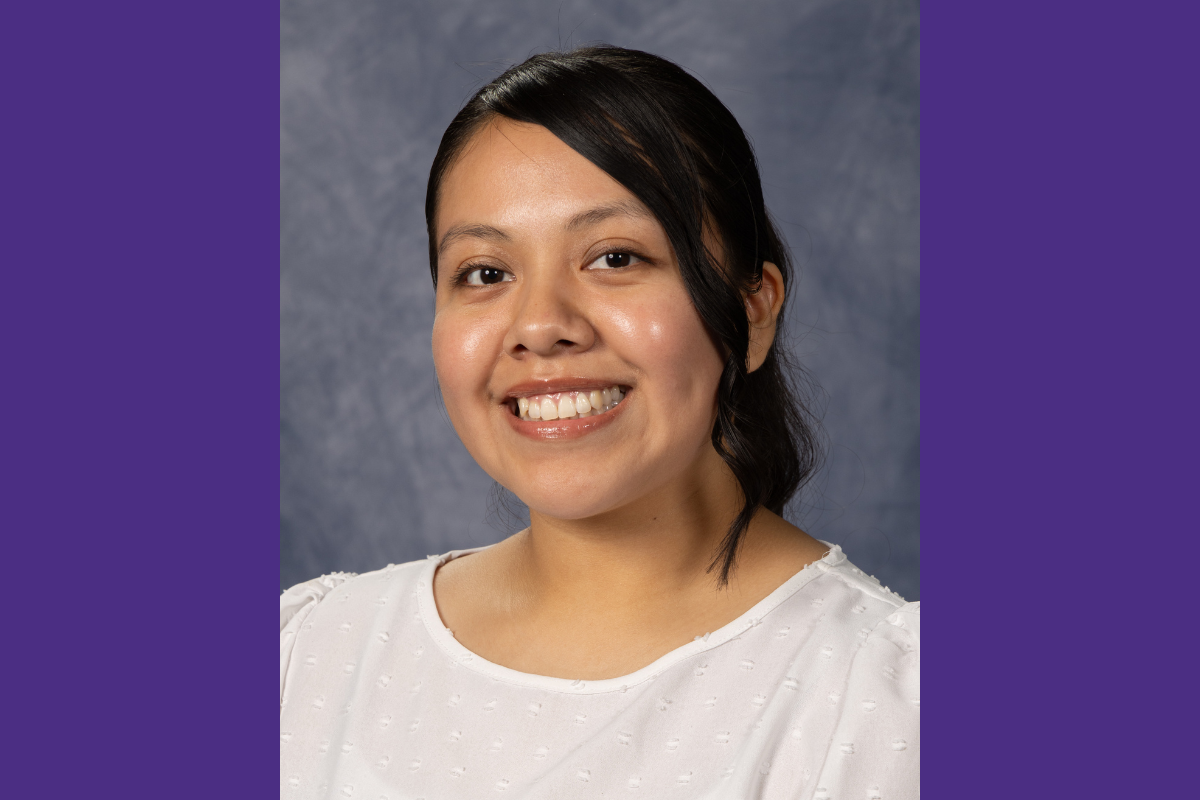
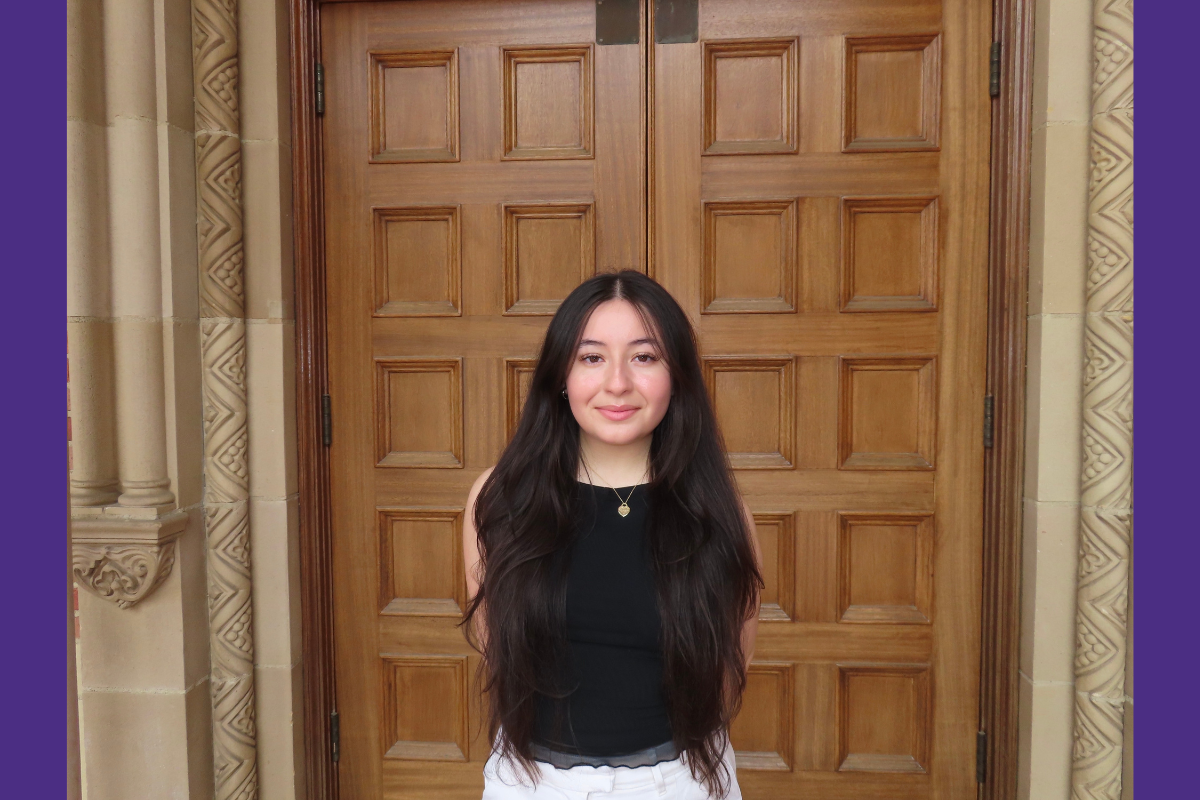
NextGen SPA Profile: Xitlaly Mendoza

Xitlaly Mendoza
  • Pronouns: She/Her/Ella
  • Hometown: Mesa, WA
  • College/University: University of Washington, Seattle
  • Major: Sociology and Law, Societies, and Justice

Tell us a little about yourself?

Proudly rooted in my Oaxacan-Mixteco Indigenous heritage and shaped by my migrant-agricultural upbringing, I am a first-generation college student at the University of Washington, Seattle. Double-majoring in Sociology and Law, Societies, and Justice, with minors in Leadership and Spanish, I aim to empower underrepresented communities through education, law, and policy. Passionate about advocacy and equity, I strive to create systemic change for marginalized families and migrant communities.

What is your dream job? What kind of impact do you hope to make?

I aspire to work with non-profit organizations and government agencies to increase access to essential resources, both in the U.S. and abroad as well. I also dream of writing a book and establishing a scholarship in honor of my migrant parents and to inspire and empower future first-generation students. Personally, I hope to settle down while embracing opportunities to travel the world and learn more about my Mixteco indigenous heritage. I want to share my experiences and knowledge wherever I go, while also learning from others and gaining new perspectives. Ultimately, my vision is to create lasting change by broadening access to resources and shedding light on the struggles faced by marginalized communities, empowering individuals to reach their full potential, and contributing to a more equitable and inclusive world.

If you could have dinner with anyone in the world (deceased or alive), who would it be and why?

I would love to have dinner with current Mexico president, Claudia Sheinbaum so I can pick her brain about the current political climate of Mexico, the indigenous community, migrants, her vision for Mexico even after she is no longer president, ask her for advice as a women in a men’s world/country, and maybe even karaoke with her….

Who is your favorite public servant and why?

Dolores Huerta—she fought tirelessly for farm workers’ rights, co-founded UFW, and inspires change through activism and her “Si, se puede” spirit.

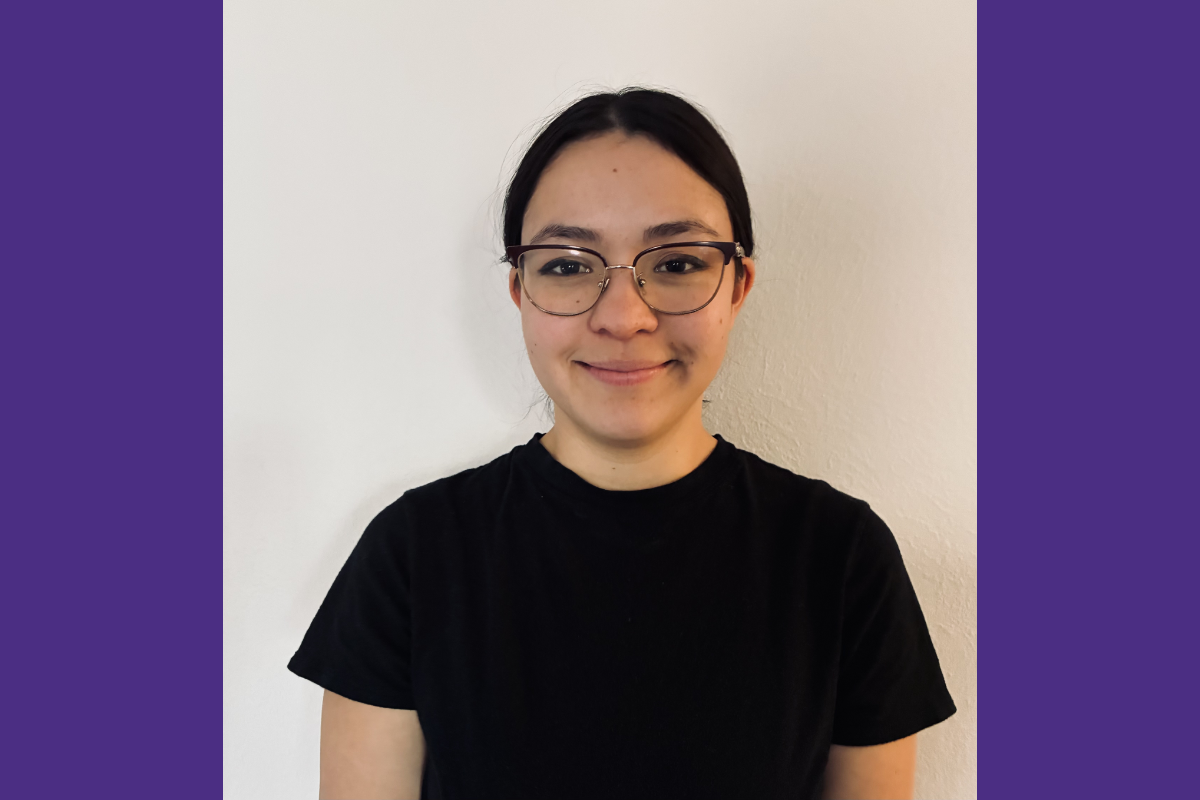
NextGen SPA Profile: Zion Romero

Zion Romero
  • Pronouns: She/Her
  • Hometown: Albuquerque, New Mexico
  • College/University: University of New Mexico
  • Major: Languages and Linguistics

Tell us a little about yourself?

My major is in linguistics and languages, with a minor in public service and I am studying Arabic and Spanish.

What is your dream job? What kind of impact do you hope to make?

My dream job is to be a foreign service officer, and to assist with diplomacy in the Middle East.

If you could have dinner with anyone in the world (deceased or alive), who would it be and why?

It would be Noam Chomsky because then we could discuss his work in sociolinguistics and his criticism of global affairs

Who is your favorite public servant and why?

My favorite public servant is Antoinette Hurtado, because she encouraged me to pursue a career like her in diplomacy.

NextGen SPA Profile: Sarah Torres

Sarah Torres
  • Pronouns: She/Her
  • Hometown: The Bronx, NY
  • College/University: Syracuse University
  • Major: Political Science and Journalism

Tell us a little about yourself?

Sarah Torres, a proud Bronx native and junior at Syracuse U, is double majoring in Political Science and Journalism. She’s the VP of the Puerto Rican Student Association, a peer mentor, and a front desk helper. She has worked for all levels of government throughout her career, most recently as a Communications Coordinator at the New York City Council. From constituent services to legislative advocacy, Sarah’s focus is on uplifting underserved communities.

What is your dream job? What kind of impact do you hope to make?

My dream job is as a local elected official in the Bronx, my hometown. I would like to reduce the influence of money in local politics, reduce violence, increase union jobs, and encourage affordable housing.

If you could have dinner with anyone in the world (deceased or alive), who would it be and why?

I would choose AOC because she embodies my values as well as my roots. I would love to pick her brain on how she got to be in such a powerful position and how her progressive values have helped her to move forward. I think the conversation would be extremely valuable in my own search for how I would like to help my community in the future.

Who is your favorite public servant and why?

Sonia Sotomayor because of her dedication to her community and demonstration that hard work can get you anywhere, even to the SCOTUS.

NextGen SPA Profile: Faiza Adhuna

Faiza Adhuna
  • Pronouns: She/Her
  • Hometown: Queens, New York
  • College/University: CUNY Baruch College
  • Major: Public Affairs

Tell us a little about yourself?

I am a junior at Baruch College majoring in Public Affairs and minoring in Law & Government. Upon graduation, I plan on attending law school to study Immigration or International Law. I am a first generation Bengali and it is very important to me to make meaningful changes towards improving my community. I am the youngest of three siblings and I have a cat named Chunni.

What is your dream job? What kind of impact do you hope to make?

Immigration or international lawyer. I want to help my community.

If you could have dinner with anyone in the world (deceased or alive), who would it be and why?

Begum Rokeya as I want to know what inspired her to go against societal norms and fight.

Who is your favorite public servant and why?

Begum Rokeya. She was a Bengali women who fought for girls’ education in Bangladesh.

NextGen SPA Profile: Sarai Ceceña

Sarai Ceceña
  • Pronouns: She/Her
  • Hometown: Indio, California
  • College/University: UCLA
  • Major: Political Science, Education (Minor)

Tell us a little about yourself?

“Academic Interests: I study political theory and education and enjoy learning how they intersect. I also have experience in policy research, some of which focused on race, education, or both.

Career Goals: I hope to attend law school and work as an attorney supporting immigrants, specifically migrant farm workers in California. I am interested in doing policy research and working to better understand and support these communities.

Hobbies: I love to make matcha and coffee!”

What is your dream job? What kind of impact do you hope to make?

I want to be an attorney, serving immigrants and the migrant farm worker community, similar to the work I did during my internship last summer.

If you could have dinner with anyone in the world (deceased or alive), who would it be and why?

Ruth Bader Ginsburg. As a woman hoping to be an attorney one day, I admire her story and journey as a woman, wife, and mother in the legal field. Even for very polarizing issues, RBG could speak with so much grace. She seemed very wise and personable, and I feel like we could have a great conversation about law and everyday topics.

Who is your favorite public servant and why?

Justice Sotomayor, as a Latina who wants to pursue law, I appreciate the work she has done and how she speaks so boldly and firmly.