Skip to content

Alumni Spotlight: Joel Anderson, MPA ’23

For Joel Anderson, an MPA ’23 graduate, diving into public service has been all about understanding how our systems work and using that knowledge to make our democracy stronger. As the Assistant Director of External Affairs at the Washington Student Achievement Council (WSAC), Joel is on a mission to make higher education accessible for everyone in Washington state. His journey started as a young political campaigner, but his time at Evans helped open his eyes to the importance of democracy—showing him that creating policies and being accountable for them is just as crucial as making those policies happen.
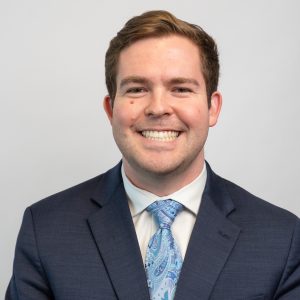
Joel Anderson

Looking back, Joel admits he felt more comfortable pitching ideas than implementing them. But at Evans, he realized how important it is to pair a solid grasp of policy with clear communication. “Proactively sharing ideas with the communities, you serve is just as important as keeping track of your past decisions,” he points out, highlighting that both aspects are key to a healthy democracy. 

Joel’s drive to support higher education is deeply personal. As a caregiver for his dad, who battled a terminal illness, he witnessed firsthand how the financial strain of accessing and providing healthcare affected his family as well as his educational dreams. A merit scholarship opened the door for him to attend college, but he believes no one should have to rely on luck to get an education. Now at WSAC, he is working to create policies that ensure everyone has a fair shot at earning a degree or credential. 

For Joel, education is a vital community resource that helps strengthen democracy. “Our democracy gets a boost when everyone has equal access to information and basic needs,” he says. By helping students earn their degrees, schools and universities play a huge role in promoting economic mobility and social stability, laying the groundwork for engaged citizens. “If we want to safeguard our democracy, we have to improve access to education and help create well-informed students,” he insists. “Education is a right, not a privilege.” 

Joel believes that young people are central to this mission, and many of them are stepping up on critical issues like gun violence and healthcare access. For those who are new to civic engagement, he suggests getting involved with local organizations and keeping track of their advocacy efforts for future generations. “Knowledge is power and sharing that knowledge among young people can really make a difference in how we influence policy decisions,” he explains. 

Looking ahead, Joel sees misinformation as one of the biggest threats to democracy, whether it is falsehoods about public health or conspiracy theories around elections. He believes creating spaces for open conversations about different perspectives—and challenging ideas that jeopardize our democracy—will only make our democratic foundations stronger. 

With a passion for ensuring equitable access to education and a commitment to uplifting young voices, Joel is dedicated to shaping a vision of democracy that is all about opportunity, understanding, and resilience. We are grateful for his hard work and dedication to the future of democracy!
UW, WSU Launch New Program to Bolster Collaboration Among Local Public Leaders

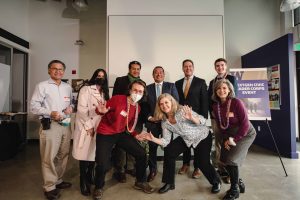
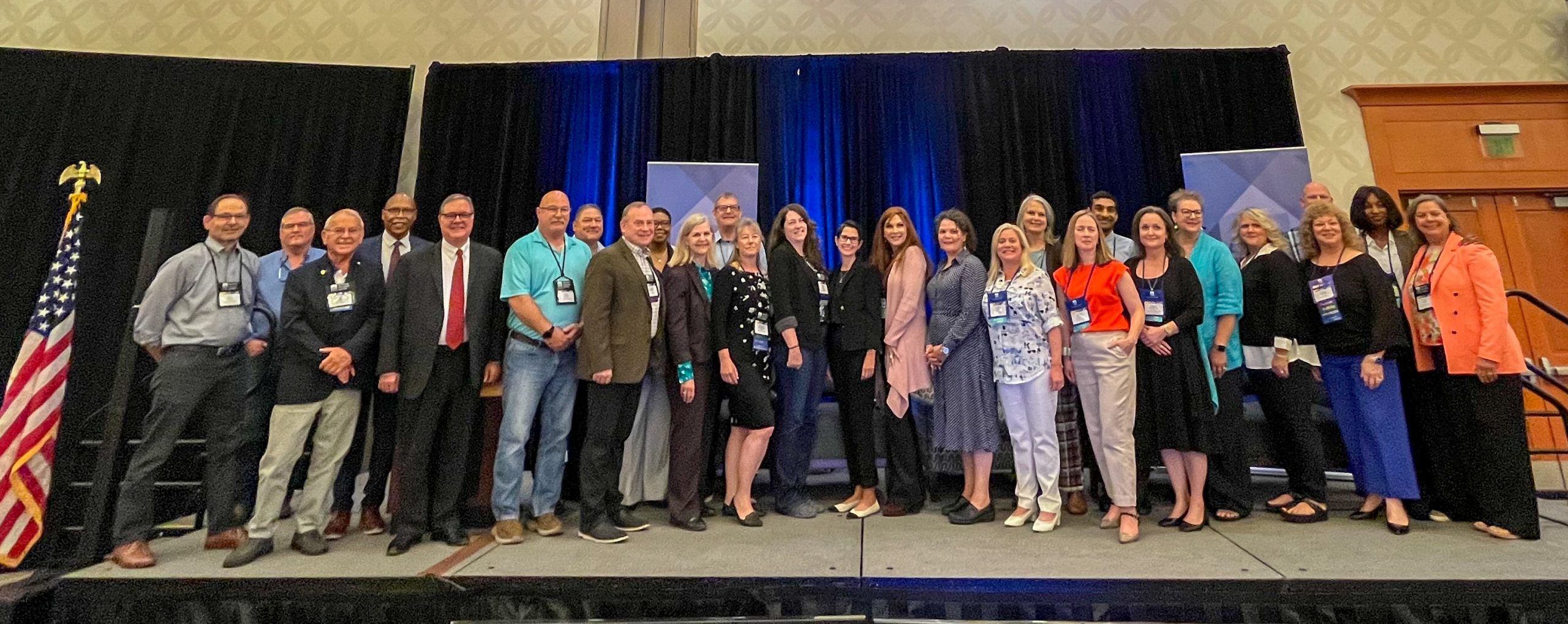
WA CELI leaders pose on a stage

It’s no secret that trust in governance is faltering. A recent Gallup poll found that only 39% of Americans trust the federal government. And though trust is higher in state and local governments (57% and 66%, respectively), we know there is an opportunity to plant seeds at the local level to improve civic health.

To respond to this moment, the Evans School of Public Policy & Governance and the William D. Ruckelshaus Center (WSU)—in collaboration with the Association of Washington Cities—are partnering to launch the Washington Collaborative Elected Leaders Institute (WA-CELI), a new program that aims to bolster the credibility of elected officials with the public they serve.

The Project for Civic Health, initiated by Lt. Governor Denny Heck, highlighted the need for unique support for elected officials to work together across political divides. This inspired the creation of WA-CELI to build the skills and courage needed for collaborative problem-solving.

“We brought together 200 people and said ‘we know what the problem is. What could we do?’” said Jodi Sandfort, dean of the Evans School. “The elected officials said, ‘we need some help building skills to disagree without being disagreeable.’ To me, it’s pretty clear that what’s failing us right now is that people have learned that to get elected, you have to be extreme. They haven’t learned that when you govern, you have to compromise.”

As two of the premier public universities in the state, WSU and UW are uniquely positioned to help elected officials reach across political divides and work together. Drawing on the expertise from both schools, the program includes applied training and peer learning that focuses on building a network of public leaders with collaborative leadership skills. The goal is to reshape Washington’s political culture to create a more collaborative and community-focused environment.

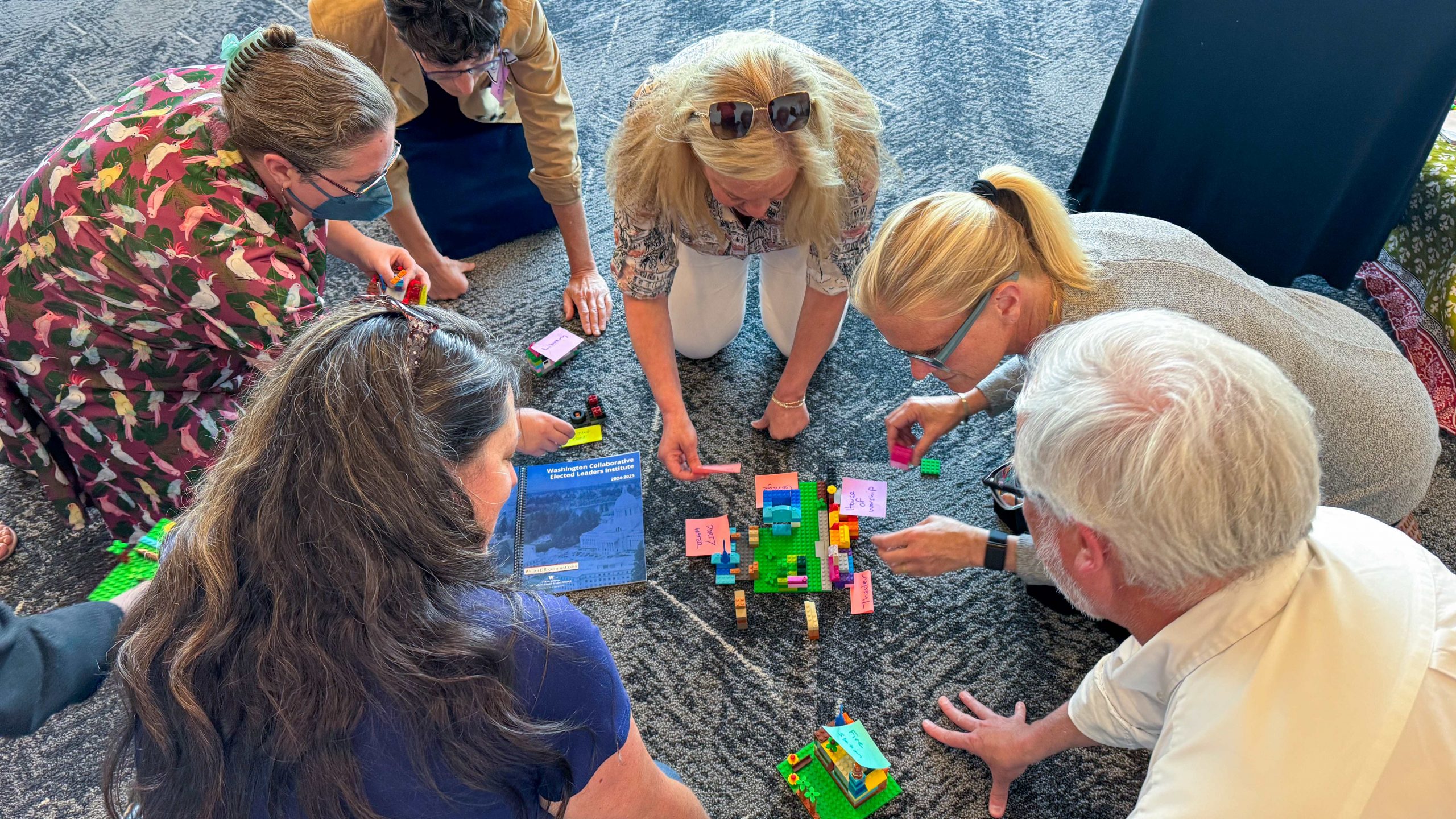
“We’re going to use a lot of case studies. Say it’s a conflict about a local issue around public safety or a conflict about a local issue about environmental protection and just having practice of how to sit and look at the case and figure out what are the issues and simulate what it’s like to try to come up with a solution,” Dean Sandfort noted. “Part of it is building better relationships and having experiences that help them feel more confident in their ability to analyze a problem and think through how we’re going to create a solution that adds value rather than just a solution that might be politically palatable.”

This summer, the first cohort of leaders from a mix of city sizes, types, and government structures is participating in virtual and in-person events across Washington state. Costs of attendance are covered to ensure accessibility for all. To further highlight connection across division, venues for the in-person sessions were intentionally chosen to play with people’s perceptions of where WSU and UW have influence in the state. The first in-person session was held July 27 at the UW Spokane Center, and a future session will be held at WSU’s Everett campus, across the street from Everett Community College.

The goal of this program is for public leaders to come away with new skills to collaborate with people they don’t necessarily agree with. Graduates will join a network of public leaders, staying connected through events and additional training. This network aims to support a shift towards a more collaborative political culture in Washington. Participants will also present their work at the annual AWC conference to engage and inspire future cohorts.

A group of adults crouch on the floor and add pieces to a mock up city

Alumni Spotlight: Tatiana Brown, MPA ’24

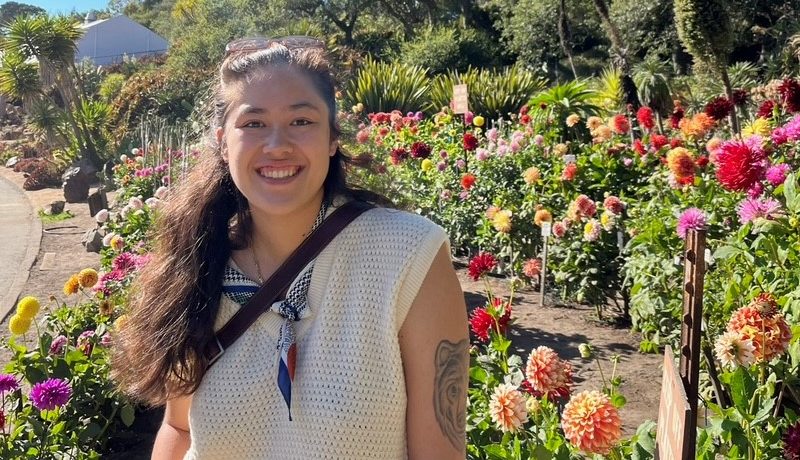
Tatiana Brown

Like many public policy students, Tatiana Brown did not initially intend on studying public policy. Brown, this year’s Hubert G. Locke Diversity award recipient, grew up in Vienna, Virginia, a suburb of Washington D.C., and though she was raised in the shadow of the nation’s capital, she was not exposed to the important role public policy has to play in communities.

She instead pursued a degree in biomedical engineering from the Virginia Commonwealth University in Richmond, Virginia. It was there that she began noticing problems that weren’t present in her hometown.

“It was so hard to vote,” Brown said. “I had just voted the year prior at home and of course it was no problem at all. And now I’m going to three different polling places that are all closing, and I don’t know why. I also didn’t have access to a grocery store. I had to go to a corner market without fresh produce.”

Brown realized that pursuing a degree in biomedical engineering wouldn’t help reach her ultimate goal: helping people. So, she switched to studying medical anthropology and started doing public health research and working on the Virginia Medicaid Expansion project. While working with communities that, for various reasons, didn’t have access to health care, Brown grew frustrated with the lack of empathy in the system for these communities. She decided in her final year of her undergrad that she wanted to focus her post-grad career on public health.

“I definitely knew coming out of my final year in my undergrad that I wanted to get a master’s of public health, and I wanted a degree in public policy because I felt like that was the toolkit I had no idea about,” said Brown. “I knew that policy was really important to what I wanted to do, which was create long-lasting change and create better realities for communities of color, and I didn’t have the skill set to do it.”

In 2021, Brown found her way to the UW and pursued a dual master’s in public health and public policy. She was drawn to the Evans School because not many “programs are outspoken about the need to center justice.” While at Evans, she has held positions on the Equity and Inclusion Council and the Dean’s Council and has earned recognition from Evans faculty and fellow students. Additionally, Brown is the associate program director for the Campus Sustainability Fund and is the youth representative on the Washington State Environmental Justice Council.

Brown’s time spent at the Evans School and UW broadly has affirmed her belief in the role of policy to create a sustainable society and has prepared her to take her learnings outside the university. “I’ve actively been able to practice, and it has given me a lot more gratitude for what we actually learn,” Brown said. “Public policy is one of the few disciplines that is so pervasively connected to community well-being. Policy determines who is actively engaged in their governance, our built environment, who gains access to healthcare and a long life, the presence of public goods like mass transit, and how wealth is distributed in our nation. It determines our ability to build a sustainable society that promotes people over profit. We hold the power to determine our future and that begins with radically envisioning a different for our communities.”

Now that she has graduated with a Masters of Public Administration and a Masters of Public Health, Brown will remain in her role at the Campus Sustainability Fund and intends to continue working on ways for communities of color to engage in co-governance, developing models for localized regenerative economy, and other methods to improve community well-being.

Learn more about the Evans MPA

NOVA Highlights Research by EPIC on Ballot Rejection Rates

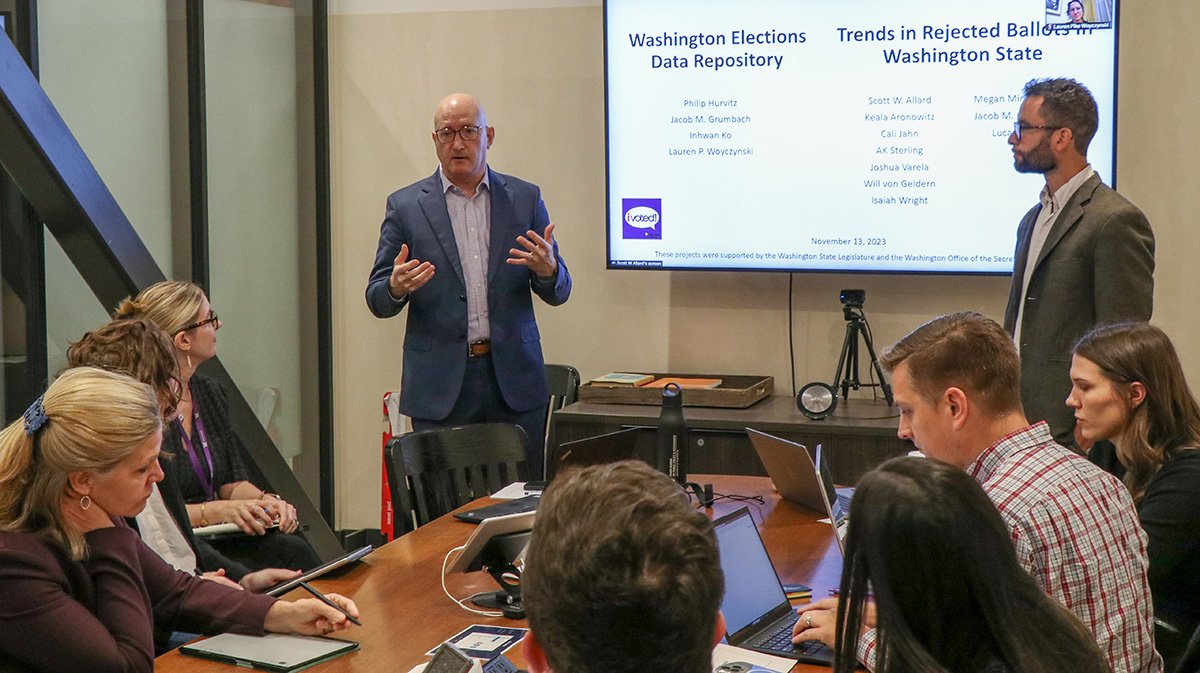
Researchers present their findings on rejected mailed ballots in Washington State
Scott Allard (left) and Jake Grumbach (right) presenting findings of the Washington State Mailed Ballots project

Washingtonians have been voting by mail for over a decade and voter turnout in Washington routinely is among the highest in the country. Despite the success of vote-by-mail, a research study by the Evans School of Public Policy & Governance at the University of Washington examined why ballots are rejected to improve the voter experience and inform efforts by state and county leaders to continue to reduce the number of ballots rejected in any election.

The Evans Policy Innovation Collaborative (EPIC) worked alongside the Secretary of State’s Office to explore ballot signature verification practices along with investigating individual voters’ understanding and communication around the signature verification process, and education and outreach methods. Through an analysis of voter- and county-level ballot data from the past 10 years of primary and general elections along with engagements, interviews, and surveys of county elections staff, individual voters, and community organizations, and the added help of a project advisory board, several key findings about voters’ experiences with vote-by-mail in Washington emerged –

Between 2012 and 2022, Washington State voters cast nearly 45 million ballots in primary and general elections. Annually, 25,000 to 35,000 ballots are rejected, primarily due to late arrival, and some for missing or mismatched signatures (0.5 to 0.6% of all ballots). There is evidence that voters of color often have higher ballot rejection rates than White voters. Voters of color, such as Hispanic and Asian voters, faced rejection rates double that of White voters in the 2020 General Election. Black voters experienced rejection rates 50% higher than White voters. Male-identifying voters and younger voters also had higher rejection rates, with nearly 5% of ballots from voters aged 18-25 being rejected in the 2022 general election. About 60% of ballots with signature issues have been corrected before final results are submitted since 2020.

NOVA and Northwest Public Broadcasting, launching a series on the significance and impact of data grabbed onto the importance of this work, particularly around the methods researchers employed to estimate race. Since Washington State does not collect racial data alongside voter registration, the study had to impute race to understand racial trends. While estimating race is not perfect, it is critical that we look at data to better understand how our systems, like electoral systems, impact and serve all people. All Washington voters should feel empowered and knowledgeable to vote.

The study concluded with a number of recommendations to improve the voter experience in Washington State and hopefully improve ballot rejection rates, including creating a universal ballot envelope design for all Washington counties, forging a stronger role and relationships with community-based organizations, encouraging increased opportunities for voters to update their signature on record, pursuing evaluation of innovative practices like text messaging and automatic signature verification, as well as plenty of opportunities for future research.

Alumni Spotlight: Nancy Chang, MPA ’07

It’s Innovation Month here at the UW, and we are highlighting Nancy Chang, an Evans alum who has worn many different hats since earning her MPA in 2007 and continues to forge new and inclusive approaches to addressing our society’s most pressing problems. We recently connected with Chang to learn more about her time at Evans and her public service work.

Nancy Chang poses with F Minus at the 2024 Teen Tix Gala
Nancy Chang (left) with F Minus at the 2024 Teen Tix Gala

What sparked your passion for public service?

Punk rock. As a teenager growing up in the PNW during the 90s, the Teen Dance Ordinance—aka Seattle’s “Footloose” period—created this youth centered organizing movement called the “all ages or DIY” scene that led me into social impact. This modern history was chronicled in “Let the Kids Dance! a new podcast from KUOW.

What led you to the Evans School, and what did you discover or learn that has influenced the way you approach your work?

Shannon Halberstadt—currently at the Department of Commerce’s Creative Economy—hired me in the early 2000s to work at the Old Fire House Teen Center which was the epicenter of pioneering work on a youth centered/co-creation approach to building community. Eventually, Halberstadt encouraged me to study for the GRE with her and to apply to the Evans School.

At the Evans School, I was exposed to a variety of public service students with different experiences and expertise all wanting to make our society a better place. What I saw was the importance of how to break siloed work through intersectionality and work in ecosystems. Fortunately, I still intersect with classmates who are now colleagues in the social good sector doing amazing work in their respective fields and amplify each other’s work.

Across the UW this month, we’re exploring the theme of “innovation.” Can you tell us about some work that you’ve been a part of in your career around leading change, setting a new vision, and exploring new ways of doing things?

Growing up in a Buddhist family helped me to seek out how to use my privilege to dismantle old narratives surrounding “isms” like misogyny, racism, classism, and homophobia. I don’t feel like I am doing innovative work, I am just standing up against narratives of oppression that stem from unresolved traumas that are sustained by colonial, imperial, white supremacy, and fossil fuel dependency narratives.

We are in a time of co-creating narratives that center around stewarding communities that are healthy and are people friendly. I was fortunate enough to belong to a community of all ages organizers that encouraged me to continue my work in capacity building in the South Salish Sea and beyond—from writing my capstone on launching Skate Like a Girl, to partnering with UW Bothell students in Dear Digital Equity to demystify digital equity. Now my current role is field organizing for F Minus, a climate action non-profit empowering citizens to marginalize fossil fuel lobbyists.

With innovation comes disruption. As a leader, how have you stayed focused through periods of change?

We are living in a new era of constant evolution and reiteration of ideas, and it requires us all to let go of past narratives that no longer serve us. Innovation requires that we center on grace and patience as others are catching up and pivoting. We must lean into participatory governance and human centered design to create new standards for working across sectionalities and undo ten years of immature and dysfunctional government at the federal level.

Alumni Spotlight: Eduardo & Erica Campos, EMPA ’15

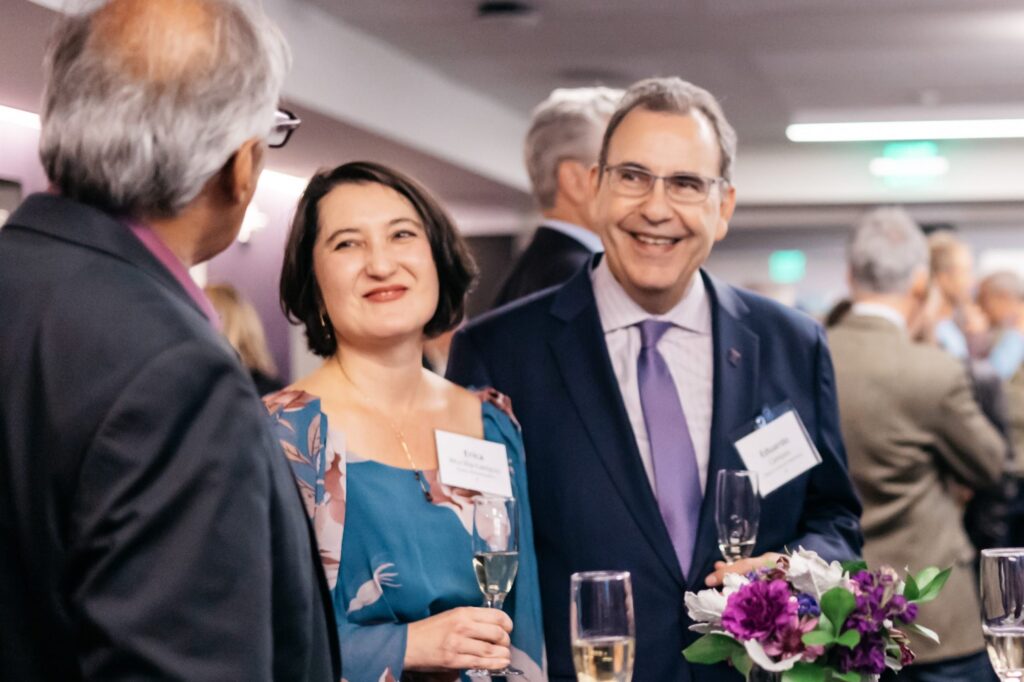
Eduardo and Erica Campos chat with a fellow Evans event attendee while holding glasses of champagne

With the flurry of spring EMPA applications underway here at the Evans School, we wanted to take a moment to celebrate and thank two amazingly committed EMPA alumni: Eduardo and Erica Campos.  

Eduardo Campos and his wife, Erica Campos, came to the U.S. from Brazil in 2003 to work for Microsoft. They quickly fell in love with the U.S. and realized it was where they wanted to put down roots. “As global executives, we were encouraged to pursue a business degree,” said Eduardo. “But we decided that was not our purpose — we wanted to have a broad impact in the community.”  

Both Eduardo and Erica were raised by families dedicated to public service. Erica’s father worked for a utilities department, and her mother was a public-school teacher and principal. Eduardo’s mother was also a teacher, and his father spent 35-years as a tax auditor in Brazil. The values of integrity and compassion, and a commitment to listening to diverse perspectives have driven their lives.  

“And that’s why we chose the Evans School,” said Eduardo. “Beyond critical thinking skill and academic rigor, the faculty helped us learn how to be better human beings, better professionals, and better citizens. And we practiced ways to compromise and bridge the divide on issues.” 

In 2015, the Camposes graduated from the Evans School’s EMPA program. And in 2022, after a long journey, they became U.S. citizens, voting in their first election that November. “It fulfilled our dream, to be able to participate in an important democratic system,” said Eduardo. 

Right after graduation, the Camposes decided they wanted to remain involved at the Evans School and became engaged volunteers and supporters. “We wanted to help other people realize their dreams to serve the community,” said Eduardo, who has served on various Evans School boards including the Advisory Committee since 2017 and the Dean’s Council since 2021. Erica is a member of the Evans School’s Community of Ambassadors.  

“As Dean of the Evans School, I’ve had the privilege to see the impact that Erica and Eduardo have made here at the school—their strategic guidance, their support for our campaign to renovate Parrington, and their hands-on partnerships with our programs, like hosting our Junior Summer Institute scholars for a site visit to Microsoft,” said Jodi Sandfort. “We thank them for their unwavering commitment to our mission and the next generation of leaders.”

Help spread the word about the Evans School’s EMPA, a work-compatible leadership program designed for mid-career public service professionals! The deadline to join the autumn 2024 cohort is May 15, 2024.

Alumni Spotlight: Yulan Kim, Ph.D. ’23

Yulan Kim finished her Ph.D. at the Evans School in December 2023, with dissertation work focused on advancing scholarly understanding of collaborative governance. The Evans School caught up with Yulan after winter break to learn more about her dissertation research.

Evans School: Congratulations on your dissertation defense. Your project pushes our conceptual and empirical understandings of collaborative governance. Explain why collaborative governance is such a critical topic in the study of public management today.

Yulan: Collaborative governance is an increasingly popular policy making and implementation strategy that can address problems that do not fit neatly within organizational or jurisdictional boundaries. If managed properly, it provides added benefits of fostering citizen trust and participation, promoting equitable service provision (which I explore in my dissertation) as well as greater legitimacy, procedural transparency, and responsiveness (which is established in the literature).

The study of collaborative governance is important because of its broad applicability as a versatile governance arrangement that can be used in conjunction with other policy tools. In this sense, it is highly relevant to how we address many of the public management problems we face today. However, there are still challenges to ensuring that collaborative governance is properly designed and implemented, which is why it requires the continued attention of public management scholars.

Evans School: Your dissertation is an innovative mixed methods study of South Korean Social Security Consultive Boards. How do these boards operate and why was a mixed methods approach advantageous in this instance? 

Yulan: My dissertation focuses on mandated collaborative governance, and South Korean Social Security Consultive Bodies (SSCBs) are a perfect example of this type of arrangement. SSCBs are established at all local jurisdictions in South Korea through a legislative mandate. They act as platforms that bring together public, nonprofit, and private actors to create and implement regional social security policies. Their functions range from high-level decision making, such as establishing short and long-term regional social security plans, to the direct delivery of services to citizens.

My research questions around SSCBs require both the identification of causal mechanisms as well as understanding what drives such patterns. So, using a large-N survey supplemented by interviews to collect both quantitative and qualitative data helped me paint both the big picture as well as gain a detailed understanding of what drives these changes. 

Evans School: Central to your dissertation is discussion of authentic collaborative governance and trust. Why is the concept of “trust” key to understanding the presence of authentic or meaningful collaborative governance? 

Yulan: My decision to use trust as an indicator of authentic collaboration is guided by theory. Fostering trust is crucial to the development of collaborative dynamics that are defining features of collaborative governance. Trust as both an input and output of collaborative governance has also been confirmed by numerous empirical research as well. 

I wanted to evaluate whether authentic collaboration could be generated even in mandated settings where collaboration is imposed upon actors. Top-down arrangements risk becoming ceremonial institutions as the participants may not share motivations to engage with each other. In the context of SSCBs, I track whether trust, an output of collaborative governance, changes over time to understand whether actors have engaged in authentic collaboration. I find that even in mandated SSCBs, participants show enhanced trust over time, suggesting that collaboration is taking place. 

Evans School: Your dissertation project also examines how collaborative governance can enhance equity in policy making settings. What are some takeaways from your dissertation that are relevant to those engaging in collaborative governance across a host of different settings? 

Yulan: Collaborative governance is often used for the co-creation of public services within communities. However, collaborative governance requires the investment of time and resources from participants. This means that the ability of local participants to commit resources can lead to variation in the quality and quantity of services co-created across communities. Research suggests affluent communities are better able to pool such resources. I investigate whether collaborative governance perpetuates or mitigates inequity in access to public services across communities. My findings highlight the relative importance of internal management over resources, suggesting that despite resource disparities across communities, collaborative governance can serve as a strategy to co-create public services in a way that mitigates inequities in access to public services.

Evans School: What’s up next? 

Yulan: I have joined Ocean Nexus as a postdoctoral fellow in January 2024. Ocean Nexus is a network of scholars working to promote equitable ocean governance. In this position, I am working alongside a team of Evans researchers who are on a mission to introduce public policy and management concepts and frameworks to ocean scholars who seek to produce more equitable, policy relevant research. In the short term, I want to focus on applying policy process and public management concepts in ocean research through collaborations. In the long term and more ambitiously, I want to explore how collaborative governance, which is mainly researched in domestic contexts, can inform transnational ocean governance. I studied IR and comparative politics before coming to Evans school, so I look forward to synthesizing such training with my expertise in public management to do so. 

Evans School: Congrats on this postdoctoral fellowship! It will be fun to see how your work evolves in the coming year! 

Yulan: Thanks!

Alumni Spotlight: Allie Tripp, MPA ’15

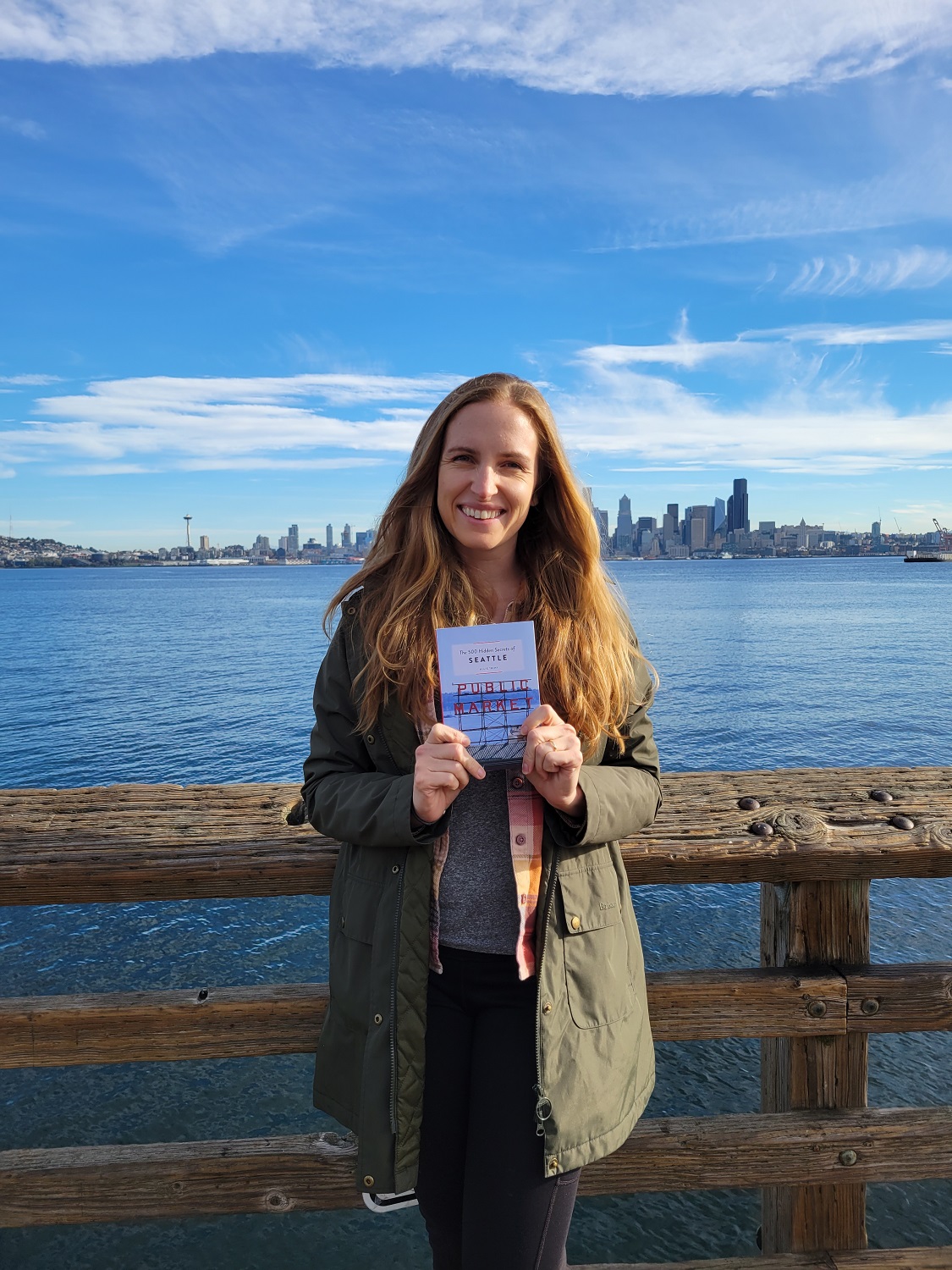
We recently connected with Evans alum Allie Trip, who just published, The 500 Hidden Secrets of Seattle. She shared her journey from AmericaCorps VISTA to Evans where she focused on nonprofit strategy. After graduation she found her way to the Washington Trails Association and becoming an author.

What inspired you to pursue a career in public service?

I wouldn’t say there was a singular moment that inspired me to go into public service but an accumulation of family and lived experiences. My privileged upbringing insulated me from much of the hardships of life in America, though my parents ensured I didn’t take for granted (or ignore) that privilege and encouraged me to consider my impact on the world at large as much as any other criteria when considering potential life paths. Throughout all four years of undergrad, I was a part of a volunteer program where I tutored middle and high school students once a week. The week-to-week experiences were immensely enjoyable, but I was challenged by how the program was managed and the students were treated and by the time I was a senior, I was interested in being a contributor to better managed mission-driven work after graduation.

Allie Tripp holding her new book with the Seattle skyline in the background

What brought you to the Evans School?

I spent several years after undergrad as an AmeriCorps VISTA at a nonprofit in Boston. It was a great place to work as a young professional, dedicated to empowering young people through outdoor sports and leadership, and just small enough that I was welcomed in rooms where strategic decisions were discussed. I realized quickly that, while my liberal arts degree had given me great perspective, I didn’t quite have the language or formal training in program strategy, budgets, or program evaluation that I would need if I was to achieve my hopes of making a difference in my community through my work. As someone who had grown up in various locations along the eastern seaboard, I wanted to apply to graduate schools on the west coast for a change of scenery. I visited the Evans School while in Seattle visiting a friend and immediately fell in love with the UW campus (and Seattle as a whole). I was excited about the school’s dedicated nonprofit management courses and spent the next several months crossing my fingers that I would get in.

Can you talk about your professional journey since graduation and how your MPA helped you get there?

Figuring out how to live in Seattle on a nonprofit salary, saddled with student loan debt, is not for the faint at heart. I had a meticulous job search methodology following graduation from the Evans School and a limited window to land my dream job (in nonprofit strategy). When that time ran out, I opened up my search criteria to roles that were more fundraising-focused, an area in which I had a lot of experience thanks to my time as a VISTA and one of the part-time jobs I held while at Evans. I was thrilled to be hired at Washington Trails Association in September 2015 as their Annual Fund & Events Manager. I spent 2.5 years at the rapidly growing organization supporting their seasonal fundraising campaigns, corporate partnerships and events, while finding additional professional development opportunities within that work (and external to it) to flex my MPA muscles. I also spent a lot of time continuing to invest in my professional network and the nonprofit sector as a whole, as a board member of the Young Nonprofit Professionals Network of Seattle.

When the organization created a new position dedicated to cross-functional strategic planning and coordination, I jumped at the chance to make the move. I’ve now spent almost 6 years as Strategic Initiatives Senior Manager, and I couldn’t be happier to have a role that touches every corner of our work on behalf of all who love the outdoors. I still refer back to lessons learned from the Evans School on a regular basis, in particular the management curriculum, policy analysis, and program evaluation.

You’ve just published a book on hidden Seattle. As a transplant, what made you stay and how did that influence your book?

While Seattle itself (and the physical beauty of the surrounding landscapes) played a huge role in my decision to seek employment after Evans here, I would actually say it is the community that the Evans School gave me that played a larger role in my decision to stay. I continue to be deeply connected to individuals I met through my MPA and am really proud to see what they all are accomplishing out in the world almost 9 years after we graduated.

As for the book, in addition to my love of time spent outdoors, I also love to travel. Nothing (in my opinion) can make a bigger difference in enjoying a new destination than a personal recommendation from someone who loves that place. The chance to help shape someone’s experience for the better while they visit Seattle through my book was a truly exciting one. I even applied some MPA skills (criteria selection is important in all aspects of life!) when selecting places to feature in the book.

What’s one hidden place in Seattle that you’d recommend to a newly arrived MPA student?

Given that West Seattle is home to roughly 1/6th of Seattle’s population, calling it a hidden secret would be pretty funny. But, for new Seattle residents (especially UW-based ones!) I think it can be an overlooked area. Riding the water taxi to West Seattle is an affordable and fun way to get out on the water. Rent a kayak on the other side or enjoy a drink and great eats at Marination Mai Kai. Free shuttles can also take you on to the heart of the West Seattle Junction neighborhood or the fun beach vibes of Alki. You can find these and many more ideas in my book, The 500 Hidden Secrets of Seattle, available online and at many great local bookstores like Elliott Bay Book Company on Capitol Hill (another must-visit for new Seattle residents). I also wouldn’t be doing my job if I didn’t encourage all newly arrived MPA students to download WTA’s app, Trailblazer, to help them find their first of many favorite hikes in Seattle and Washington at large!

Civic Leadership Goes Beyond the Public Sector

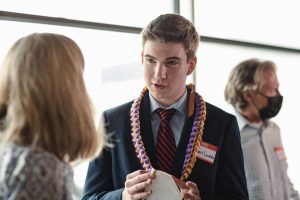
Nathan Loutsis speaks with Evans School Dean Jodi Sandfort at the 2022 NextGen Launch event.

For Nathan Loutsis, newly elected city councilperson for the city of Kenmore and a University of Washington undergraduate, it’s important to stir a desire for public service in everyone, not just folks working in the public sector.

“The private sector does a lot for the public good as well,” Loutsis said. “Partnerships with the public sector to build affordable housing through private developers, nonprofits who work with the public sector to provide a public good, there’s always going to be an opportunity to serve. Inspiring passion for public leadership now is something that is not strictly allocated for the public sector, but it’s for any student, no matter what they do.”

Loutsis’ first brush with public service came when he was appointed to Kenmore’s planning commission at age 16. He fell in love with public service immediately and knew that working for the public good, specifically at the local level, was what he was called to do. Last fall, Loutsis ran for, and was elected to, Kenmore’s City Council.

Part of Loutsis’ academic journey has been his involvement in NextGen Civic Leader Corps, a UW tri-campus, interdisciplinary program that exists to broaden lanes to public service. NextGen launched in 2022, with a pilot year in 2021, as a collaboration between the Community Engagement & Leadership Education (CELE) Center and the Evans School of Public Policy & Governance. The program is also part of a growing network of similar programs across the country powered by the Volcker Alliance Next Generation Service Corps.

Throughout the academic year, the NextGen community engages in myriad activities centered on public service. Students engage with leaders in the field, attend skill building workshops, and participate in community service and networking events. This coursework is aimed at connecting students to like-minded peers and deepening an understanding of, and commitment to, public service. The program is open to all UW undergraduate students who are passionate about public service, community engagement, and civic leadership, regardless of major.

“I like to think we are one of many programs across campus intentionally creating conditions and opportunities for students to explore and strengthen their service mindset,” said Amen Tsegai, who serves as NextGen’s program manager and helps guide the vision, strategy, and implementation of various aspects of the program. “We expose students to hear and learn from practitioners in the community and encourage them to make room for other ways of knowing and leading by centering others. I also believe when we are in service with others, we gain insights into the lives of those we serve and expand our understanding and awareness. And so our students truly benefit from it.”

For Loutsis, the program has already had an impact on his career. He connected with leaders from the greater Seattle area at events hosted by NextGen to talk about issues faced by various communities, learn about successful strategies, and take them back to the city of Kenmore.

“NextGen has given me numerous opportunities to work with and hear from others with different perspectives and backgrounds, providing me with new ways of approaching situations and developing more equitable solutions to challenges that face our community,” said Loutsis, who participates as a student advisor. “I think it is an awesome program because it’s for everyone. It’s not restricted to a single major or minor. It’s not tailored to political science students or even public policy minor folks. Anyone who’s interested in public service and leadership can be involved.”

From Isolation to Connection: Lockdown Relationships Inspire New Professional Network

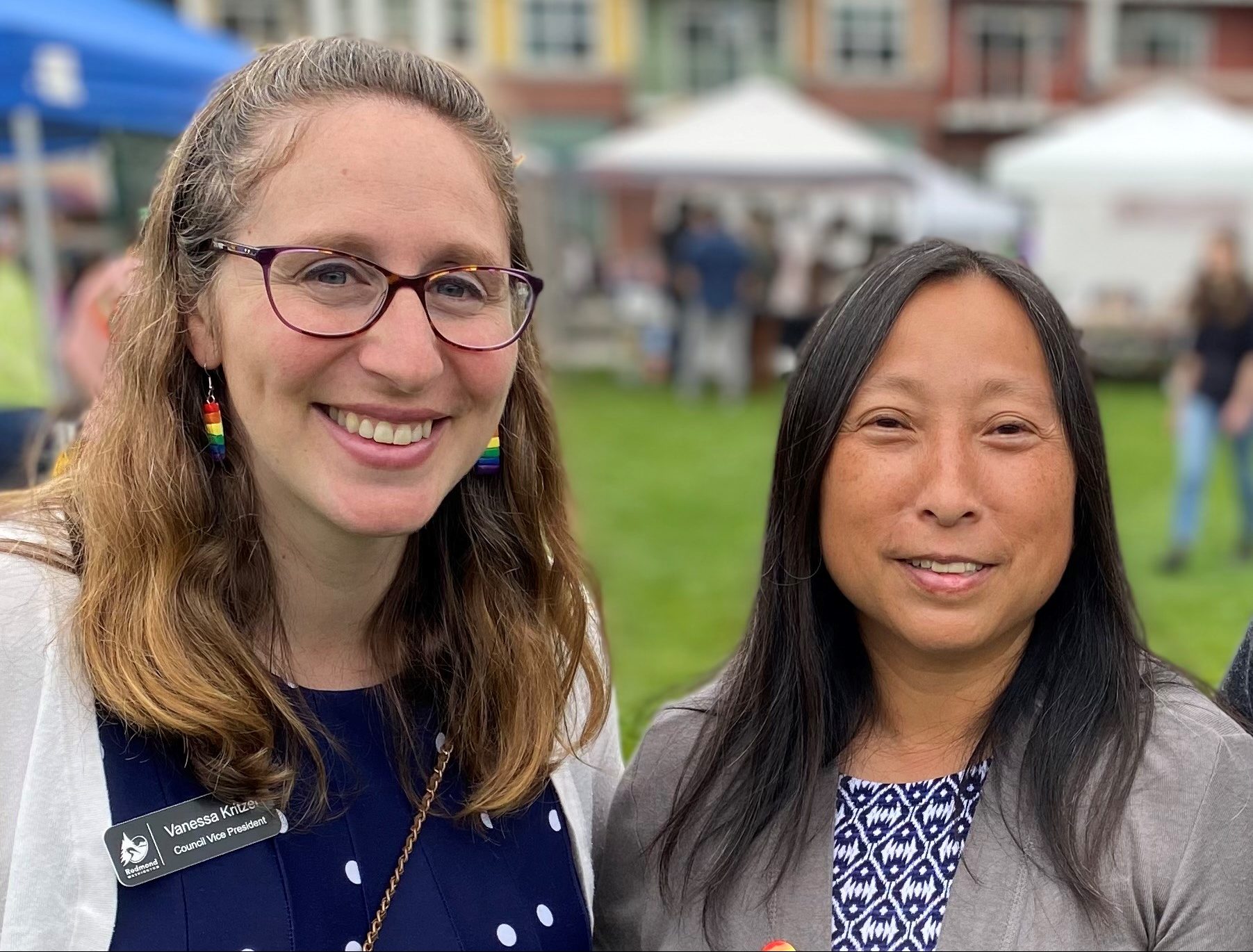
Vanessa Kritzer and Janice Zahn

By: Lauren Domino (MPA ’11), Assistant Dean for Advancement & Innovation at the Evans School 

2020 was not the easiest year to begin a career as an elected official, but that’s the situation Vanessa Kritzer (MPA ‘17) found herself in as a newly elected member of the Redmond City Council.  “It was a challenging time – navigating this new role via virtual council meetings and facing multiple complex policy and budgeting issues. I started reaching out to other leaders that I respected to get a sense of how they were approaching it, and Janice Zahn was at the top of my list,” shared Kritzer. The two met a few years prior while Kritzer was still a student at the Evans School and serving on the National Women’s Political Caucus of Washington Board and connected over their shared Evans School experience.  

When Kritzer reached out during the early days of the pandemic, Zahn (EMPA ‘12) had already served on the Bellevue City Council for a few years and had begun a three-year term on the King County Board of Health in January 2020. “I was more than happy to connect with Vanessa and support her in this journey,” shared Zahn, who faced similar challenges of moving into lockdown and leading through the public health crisis. “I think back on this time and wonder, what could have been possible if I was able to dial into the Evans School to navigate this uncharted territory?” She recalled how her EMPA cohort was thirsty to continue working together after graduation in 2012 and self-organized “salons” around different topics – from public safety to affordable housing – to help springboard the work that they were each trying to advance.  

Kritzer and Zahn have kept in touch over the years – through the ups and downs of public leadership and reelection campaigns. Now, they’re thinking bigger about what’s possible. The two have come together with support from the Evans School team to launch the Evans in Government Network. The goal is to build a community of Evans Alumni who are working as government staff or elected officials to strengthen professional ties, support one another in addressing the pressing issues of today, and expand pathways to public service by connecting with the next generation of leaders. “I’m thrilled to create a space where we can come together and think about the most wicked problems we want to solve – and how we can work on innovative solutions that cut across cities, counties, and state policies,” shared Kritzer.  

Planning is underway for an Evans in Government Network launch event in March 2024. For more information or to sign-up, please visit the Evans School’s Alumni page