The reports were prepared in response to state budgetary provisos directing a study of the feasibility of a state-created public cooperative bank. This Bank would assist members manage cash and investments more efficiently and establish a sustainable funding source of ready capital for infrastructure and economic development.
Category: Research
Increasing Community Relience and Emergency Preparedness for Distasters
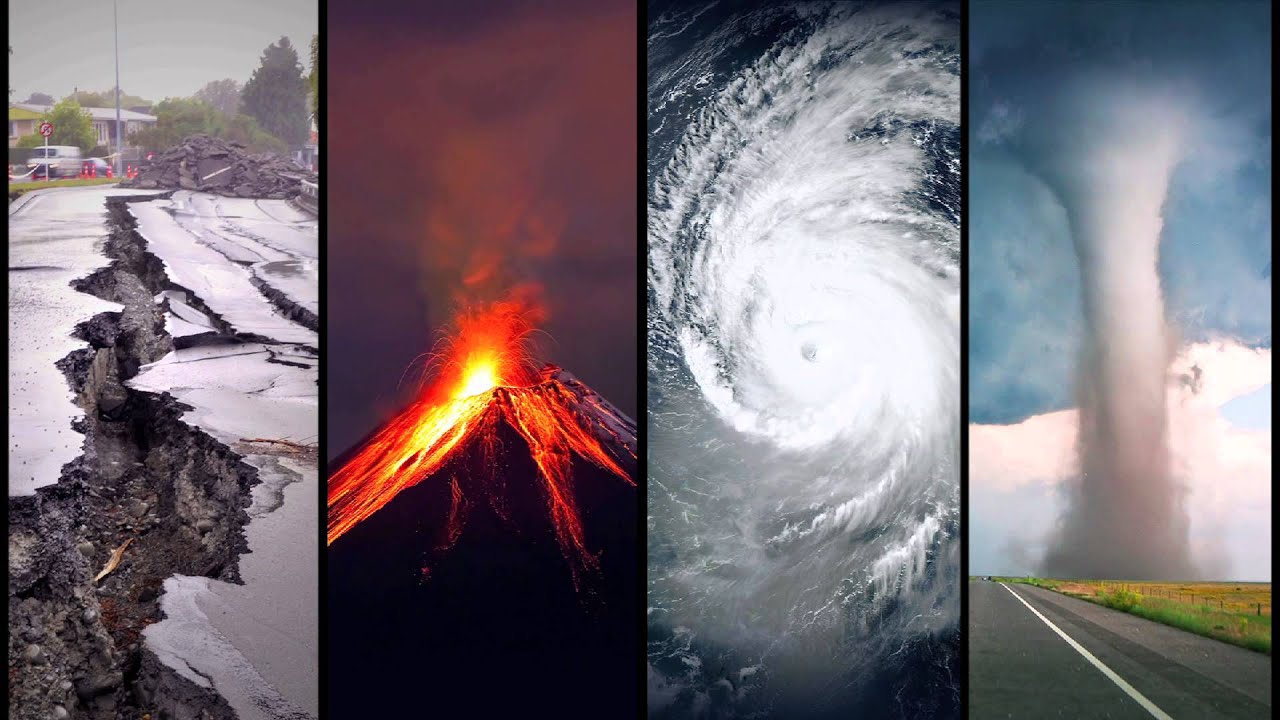
Researchers from the William D. Ruckelshaus Center, in collaboration with the University of Washington and EarthLab (Project Team), are working to better understand communities’ hazards and disaster science needs and improve the development, synthesis, and translation of current hazards science and research to make it more accessible, relevant and actionable. The team’s goal is to increase community resilience and improve emergency preparedness and planning across the Pacific Northwest, by making regional hazards science and research more locally relevant, accessible and actionable.
According to FEMA’s disaster declarations, Washington State has the 4th largest number of disaster declarations among all states. From the Oso landslide to annual wildfires and severe winter storms to flooding, earthquakes, and tsunamis, all hazard events pose significant risks to residents and to Washington’s economy. Recent Washington State reports call for synthesis and translation of current hazards science to make them locally relevant and actionable, and to better address local hazards and preparedness needs and in order to increase resilience in the region.
As disasters strike, communities realize that they must predict and plan for hazardous events so they can reduce disaster risk. Anticipating these events requires identifying policy and decision makers’ needs for hazards sciences in order to manage and mitigate hazards exposures and its, often disastrous, consequences. Greater collaboration between local, state, and federal agencies, and academic partners promises to help prevent the most horrific outcomes of these events by improving preparedness and response. Engaging scientists in planning and policy discussions is critical to creating effective community-research partnerships.
The Project Team is conducting a series of Hazards Research Coordination Workshops in Washington to better understand communities’ hazards and disaster science needs. The Team will also work to improve the development, synthesis, and translation of current hazards science and research so that it becomes more accessible, relevant and actionable for communities. The workshops are designed with the intention of bringing together local emergency managers, emergency response volunteers, public health and other local officials, and planners to better understand three key questions:
- What questions would you like hazards researchers and analysts in our region to address?
- What types of hazard information would be most useful for you?
- How can the interactions and flow of information between researchers and practitioners be improved?
From these workshops, the Project Team will gather input to distinguish the feasibility of a coordination network to sustain coordination between state-wide practitioners and hazards researchers from across the sciences, over the long term.
Upon completion of the workshops, the Project Team aims to develop an initial prioritized list of hazard information and research needs throughout Washington. The Team hopes this research will increase community resilience and improve emergency preparedness and planning across the Pacific Northwest, by making regional hazards science and research more locally relevant, accessible, and actionable.
Project Team
David Schmidt, Earth and Space Sciences, University of Washington
Ann Bostrom, Daniel J. Evans School of Public Policy and Governance, University of Washington
Bob Freitag, Institute for Hazard Mitigation Planning and Research, University of Washington
Phyllis Shulman, William D. Ruckelshaus Center, Washington State University
Amanda Murphy, William D. Ruckelshaus Center, Washington State University
Evans Faculty Testifies on Impacts of Extreme Weather
On the heels of climate strikes, marches, and protests worldwide, this Thursday, Professor Ann Bostrom will testify in front of the U.S. House of Representatives Committee on Science, Space, and Technology in a hearing titled, “Understanding, Forecasting, and Communicating Extreme Weather in a Changing Climate.”
The Goldlocks Challenge named best nonprofit book of 2018
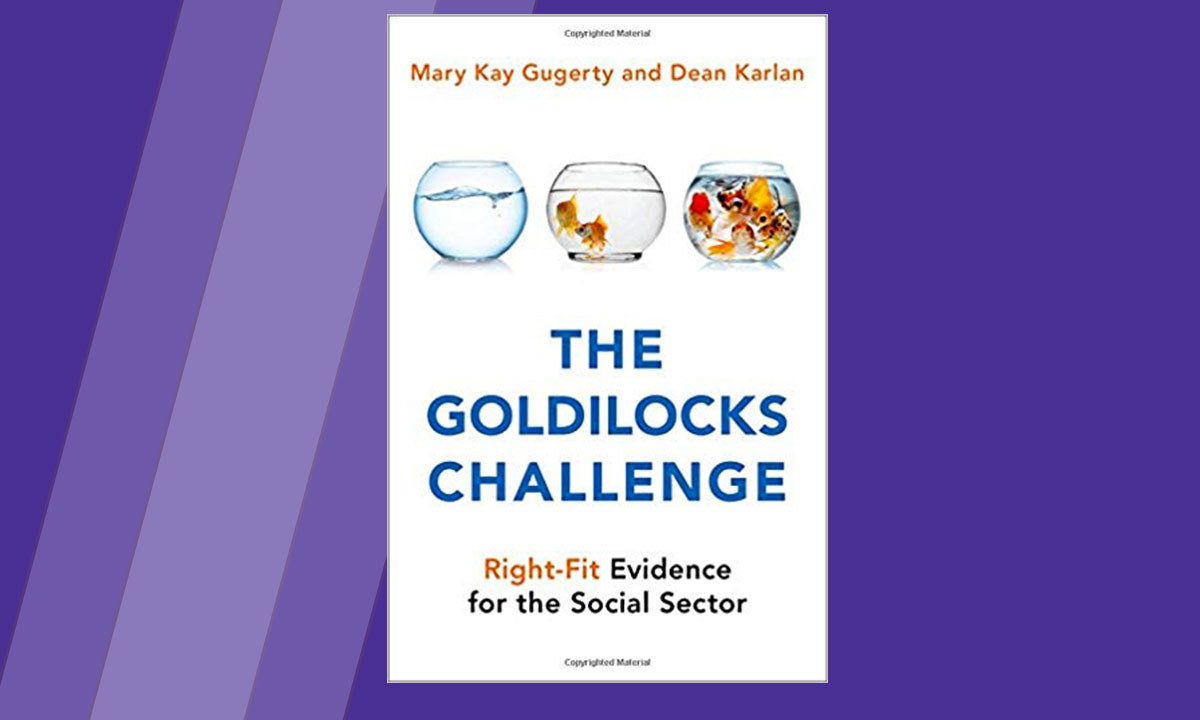
The Alliance for Nonprofit Management presented the 2018 Terry McAdam Book Award to Professor Mary Kay Gugerty and her co-author for their recent book, The Goldilocks Challenge: Right-Fit Evidence for the Social Sector (Oxford University Press, 2018).
Now in its 30th year, the Alliance’s Terry McAdam Book Award Committee reviews books published in the nonprofit sector; highlights the very best thinking in management, governance, and capacity building; and helps expose practitioners to new knowledge and approaches in the field. After reviewing 21 nonprofit capacity-building books published in 2017 or 2018, the committee determined that The Goldilocks Challenge best exemplified the spirit of the award: research-to-practice principles; relevance to the whole nonprofit sector; persuasive reasoning; and readability.
From the Committee: The Goldilocks Challenge is about measuring impact. Measuring impact: we all want to do it, know we have to do it…and are all too often frustrated by one-size-fits-all expectations of how to do it, expectations based on large nonprofits that represent so few of the organizations that most of us work with. The Goldilocks Challenge offers a solution: an impact measurement framework that helps organizations decide what elements they should monitor and measure. This framework is based on four principles, called the CART principles: Credible data; Actionable data; Responsible data; and Transportable data. Dive in to learn more about the CART principles and how you can immediately begin using them with the organizations you work with.