Skip to content

Supporting the Next Generation of Public Leaders

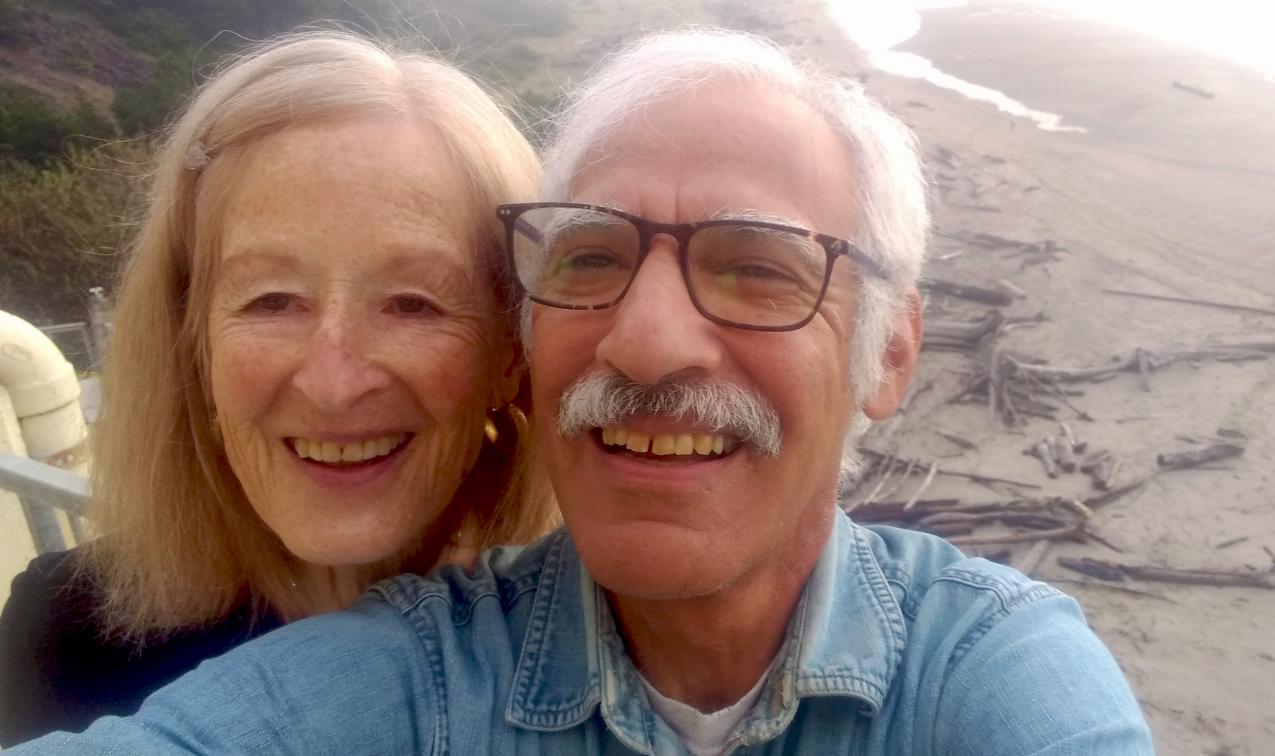
Bob with his wife, Melinda, smiling on a beach on the Oregon Coast
Bob with his wife, Melinda, on the Oregon coast.

Bob Goldstein, MPA '89

Bob Goldstein’s connection to the University of Washington began when he reported on the city of Kirkland for the Bellevue Journal-American and developed an interest in pursuing a career in local government management. “I thought it would be more fulfilling to help run a city, rather than report on it,” he recalls. Seeking formal education and training in policy and governance, Bob decided to pursue a Master of Public Administration (MPA) from the Graduate School of Public Affairs, now the Daniel J. Evans School of Public Policy & Governance, at the UW.

During his time at the Evans School, Bob received several scholarships and a research assistantship, which helped him afford his education and gave him access to opportunities provided by the UW. “I thought at the time that I really would like to pay this back when I had the means. In the early years, these donations were small annual amounts. I have ramped them up in recent years, as my financial health improved,” Bob explains.

Bob has also made the decision to include the Evans School in his estate plan through a charitable bequest and an IRA beneficiary designation. “I thought that giving to the Evans School would be the most meaningful way to leave a lasting legacy,” says Bob. He came to the decision to leave half of his estate to the school because he wanted to ensure that future generations of students would have the financial support they need to pursue an education at the Evans School.

His generosity will one day establish an endowed fellowship to benefit students with financial need, called the Robert M. Goldstein Endowed Fellowship Fund. “Part of my decision was also rooted in the excellent experiences I had and the wonderful people I met at the Evans School. It was a special time in my life. I hope that future students would feel the same way if given the opportunity,” he notes. He also shared his belief that public administration is essential to democracy and his wish to support students who choose public service as their careers, particularly those studying finance, budgeting or administration.

When asked about his decision to make a future gift, Bob reflects on the personal nature of estate planning. “Including the Evans School in my estate plan aligns with my values of giving back and helping the development of future outstanding leaders in the public sector. If these values are important to you, then I would encourage you to consider a similar gift,” he shares.

Through his contributions, Bob has found a way to stay connected to the Evans School and continue to engage with the students and faculty, nearly 40 years after his graduation. “Such interactions give me a sense of hope for the future,” he says.

Bob Goldstein’s generosity ensures that the UW will continue to educate and empower leaders who will shape the future of governance and public policy. If you would like to learn more about including the University of Washington in your estate plan, contact the Office for Planned Giving (206-685-1001).
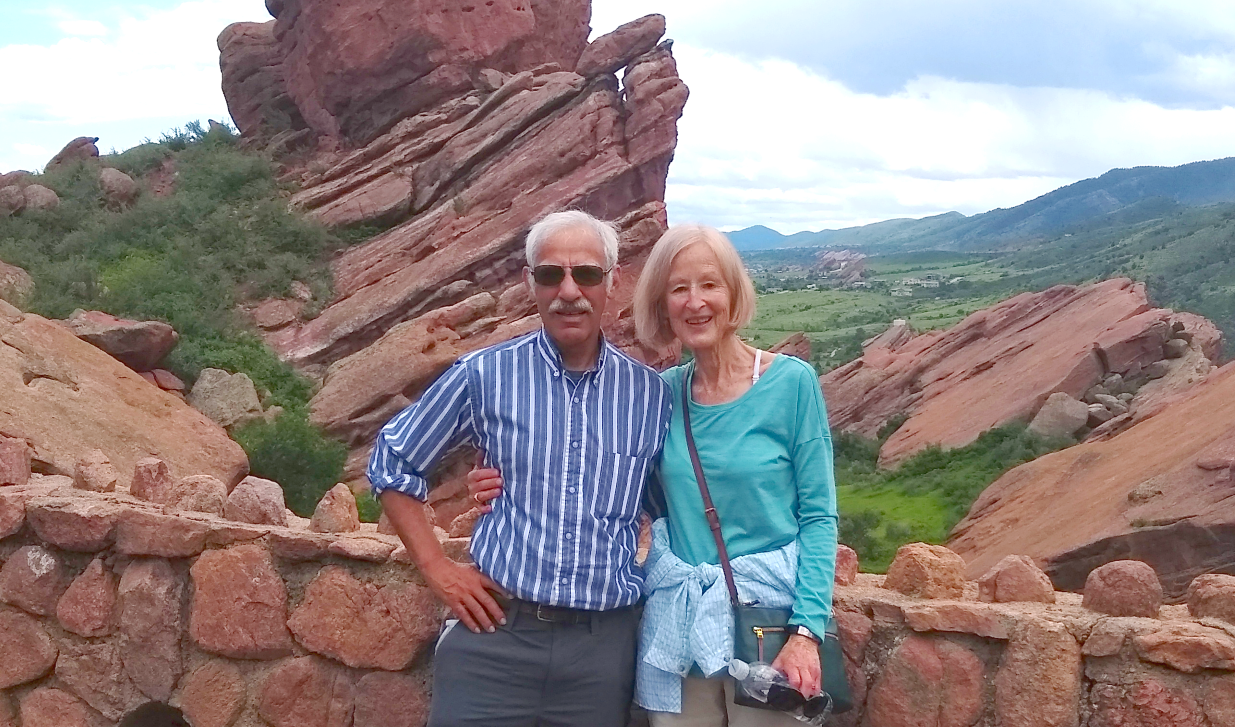
Bob and Melinda pose in front of a scenic view of red rocks and mountains in the distance
Bob and Melinda are avid travelers.

Simple steps you can take today to include a future gift to the Evan School in your estate plans

Learn more about making a planned gift to the Evans School.

For a gift by will or trust, first contact the Office for Planned Giving for suggested language to share with your estate planning attorney when you create or update your documents.

For a beneficiary designation on a retirement account, donor advised fund, or insurance policy, most companies have a beneficiary designation form available to complete online after logging in to your account. The Office for Planned Giving can help you with the exact wording for your favorite program or fund.

Love in Parrington: Erin Murphy MPA ’11 and Jon Hickey MPA ’08

Erin Murphy and Jon Husband
Jon and Erin at their first Evans dance together in 2009

The Evans School has helped graduates develop life-long skills, launch careers, and build networks. It’s also helped spark several romances. Erin Murphy MPA ’11 and Jon Hickey MPA ’08 share their memories of meeting at the Evans School and the different career paths they’ve taken.

Was there a Parrington Hall “meet cute” start to your relationship?

Erin: We met at a school dance! The Evans Spring Prom in 2009. Jon was a recent graduate but his prom photo booth was so popular that the student government had brought him back for more photography. I showed up way too early and spotted a guy eating at a table all by himself. I sat across from him and said, “Can I talk to you so I don’t feel awkward?” and the rest is history. There’s no photo of us at that first prom but it took place at the Burke Museum. We made sure to visit with our babies right before the Burke was renovated for old memory sake!

Erin and Jon with their kids at the old Burke Museum

What are some of your fondest moments about your time together while you were at the Evans School?

Erin: I was a concurrent student with the Jackson School and my studies took me to Kenya most summers. Jon came and visited me which was quite the commitment as broke grad students! The vast majority of our dates the first year of our relationship were simply doing homework together.

Jon: When Erin realized I was “The Love Memo” guy, she asked me for help with some videos she was producing from her time in Kenya. We got to know each other while editing together those videos, and I finally got the courage to ask her out to a movie after bringing her some chai at her student office.

Though you both have MPAs, you’ve also had very different career paths. Where did your interests take you after school? What has stuck with you from Evans?

Erin: Since Evans School, I have been in both nonprofit and public sectors. I started in advocacy work and quickly realized good communication was the key to anything being successful. So I pivoted to focus on communications. I use my memo writing skills all the time! I was part of the Seattle – King County Public Health communications team during COVID and have stories to last me multiple lifetimes. Maybe you saw the masking posters around town? I helped develop those – those were Evans skills at work! Some of my most practical skills stem from the frameworks that I learned at Evans. I appreciate how frameworks are a tool for critical thinking and analysis. In my current role at Seattle Children’s as a communications manager, I introduced communication specific frameworks that were integrated into our editorial style guide for more robust guidance around equitable language and content development.

Jon: I graduated in 2008, which was a very difficult time for public sector grads (the great recession was rough on government jobs!). I spent a couple years working for the Department of Global Health, building websites and helping out with content development. By a somewhat random twist of fate, I found a marketing job at Wizards of the Coast, which makes my favorite game ever – Magic: The Gathering. Since then, I’ve worked in various tech and gaming roles. While I ended up in the private sector, my time at Evans was invaluable. My ability to lead teams and clearly communicate my ideas stemmed from Evans (Active voice!). I also use statistics on a daily basis, which I credit to my Evans classes (regression analysis and statistical significance ftw!). No matter where you end up, your Evans education will be a major help!

What’s life like these days? Still writing memos with all your free time?!

Erin: We stayed in Seattle post-graduation but love to travel! We took our six- and eight-year-olds to the Paris Olympics last summer and made amazing memories. Jon still ran track when he was at the Evans School and it was a dream come true for him to be there in person!

Jon: Erin showed me the joys of travel, and now I’m hooked! In addition to what Erin mentioned, I’ve also had an amazing time taking the kids to UW sporting events. We also spend a ton of time outside in our yard landscaping and gardening.

Erin, John, and their kids holding an American flag at an Olympic soccor game

What advice would you give to Evans students today (romantically or otherwise!), particularly amidst a great deal of change, challenge, and uncertainty in our civic and public spaces?

Erin: Different roles are needed and important for influencing change, both inside and outside of systems. Reflect on where your strengths lay and embrace them. I’m grateful that I realized early on that my strengths are contributing to change from within systems. Evans students are needed more than ever today as we will need to rebuild and reinforce our institutions on the other side of whatever is happening now. I’m also a big advocate of setting boundaries, personally and professionally. Practicing boundaries is a muscle that needs to be built to sustain us through hard times.

Jon: There are a million things going on around, and you can’t predict how things will change in the next year (or even the next month!). Focus on what you can control. If you get caught up with the things out of your control, you’ll end up frustrated, bitter, and burned out. By narrowing in on what you control (your own actions, decisions, and how you treat others around you), you’ll have a much more positive impact on what matters most. And if you do that every day, that positive impact you have on those around you will spread and lead to bigger change than can you imagine.

Sisters Maddie Immel, MPA ‘22, & Audrey Immel, MPA Candidate

Sisters Maddie and Audrey Immel

Maddie Immel, MPA ’22, and her younger sister Audrey, a Double Dawg with an undergraduate degree in Public Health-Global Health and now a first-year MPA student, recently sat down with us to discuss what brought them to Evans. Together, they reflected on the values they share and how their unique paths have influenced one another.

What inspired each of you to choose the Evans School, and how did you decide it was the right place for your graduate education?

Maddie: Seattle is the place that I wanted to be long-term, so I only actually applied to Evans. Audrey and I are from Redmond, and it’s important to us to be around family- I knew that going to a graduate program in the place I wanted to settle long term was going to be the best option professionally and personally. Evans has a wide Alumni network, and I wanted to make new friends!  I moved back to Seattle and started Evans in 2020 during the pandemic, and I feel like it was the reason I found a job that I’m passionate about and a community of friends who share similar values.

Audrey: Maddie was a huge influence on my decision to come to Evans. I was torn between staying on the East Coast for a health policy-focused program or coming back to Seattle to be near family and start building my community here. I remember Maddie took me to meet Scott Allard, who shares similar policy interests with me, like social policy and food security. I was struck by how warm the interaction was, and walking around the building felt so welcoming. I realized that I wanted to be in Seattle long-term, and having the alumni network and strong professor connections was really important to me.

Maddie, what was your experience like as an MPA student, and what advice do you have for Audrey as she navigates her own journey at Evans?

Maddie: My experience was quite different from Audrey’s because I went during COVID. The majority of my MPA program was remote learning, which, honestly, changed the experience. The professors did their best, and leadership had to make a lot of tough decisions about whether we could come back in person. But even though it was challenging, it bonded our class in a special way. I remember studying on my front porch with my friend Liz, bundled up in 30-degree weather with gloves and hot chocolate while studying for econ—it was certainly a different experience.

My advice to Audrey is to take advantage of all the job opportunities, even short-term ones, that come your way. I was able to work three different jobs in the winter quarter because the program was remote. I worked for the Milgard Women’s Initiative, did data analysis for North Seattle Community College, and working with Stephen Page and fellow Evans students for the City of Sultan on their downtown revitalization project. Working for-the City of Sultan and completing my capstone with Team Read, solidified that I want to continue supporting the public and nonprofit sector through consulting. I’ve worked for BERK Consulting for two years now, and I love that on such a wide range of projects.

Audrey, how does it feel to follow in your sister’s footsteps at Evans? Has her experience shaped or influenced your own?

Audrey: On one hand, it feels like I’m following my sister around in this world, but the cool thing is that we have very different interests and strengths. Maddie is great at managing people and community engagement, whereas I enjoy working more with numbers and data. So even though we’re in the same program, we’ll probably have very different concentrations. But so far, I’ve found it really helpful having Maddie there. She’s helped me navigate classes she liked and connected me with professors. She’s good at taking advantage of opportunities, and I sometimes need a little ‘big sister’ reminder to be proactive and make the most out of my time here.

Are there any shared values or passions that led both of you to pursue public service and policy?

Maddie: We were both really influenced by our mom, who was the main breadwinner in our family and worked for Microsoft Philanthropy for many years. She showed us that it’s possible to pursue a career aligned with your values and passion. Growing up with that example made us realize that we can both make a difference while doing something we care deeply about. I got my start at a nonprofit focused on getting young people active in democracy and social justice. That’s where I discovered my passion for registering people to vote and talking about the importance of politics at the local level. After a couple of years, I realized I wanted to have more of an impact at the policy level, so I came to Evans.

Audrey: We share a desire to use our unique skills and privileges for the common good. Growing up in the Jewish community, the value of helping others and the community was ingrained in us from a young age. I think that’s what drives both of us to pursue public service and policy—we want to make a tangible difference in people’s lives.

Looking ahead, how do you see the impact of your Evans education shaping your professional goals and shared commitment to making a difference?

Maddie: What’s great about Evans is the flexibility—it doesn’t matter where you end up, as long as you make use of the professors, job opportunities, and connections. It can be a challenge to decide your path because Evans prepares you for so many different roles, but if you leverage the community, the sky’s the limit.

Audrey: The classes and professors I’ve met so far have already challenged my narrow view of what I thought I wanted to do. I came in focused on health policy and data analysis, but after taking Sharon Kioko’s financial management course, I’m starting to realize how important it is to understand how money moves through organizations. It’s pushing me to expand my skills and see how they apply in the real world. I have no idea where I’ll end up after my two years here, but I know I’ll have transferable skills that will help me in any field. And the alumni network is a huge asset for my future.

Maddie: Exactly, Audrey! Like you said, it’s the transferable skills that matter. At BERK, I’ve worked on such a wide variety of projects—from the Pike Place Market Master Plan to a Senior Needs Assessment for the Anacortes Senior Activity Center. It’s not about being an expert in everything but about using your problem-solving skills and communication abilities to tackle challenges. I got to hone those skills at Evans and use them every day in consulting.

Anything else you two want to add?

Maddie & Audrey: Go Dawgs!

Alumni Spotlight: Joel Anderson, MPA ’23

For Joel Anderson, an MPA ’23 graduate, diving into public service has been all about understanding how our systems work and using that knowledge to make our democracy stronger. As the Assistant Director of External Affairs at the Washington Student Achievement Council (WSAC), Joel is on a mission to make higher education accessible for everyone in Washington state. His journey started as a young political campaigner, but his time at Evans helped open his eyes to the importance of democracy—showing him that creating policies and being accountable for them is just as crucial as making those policies happen.

Joel Anderson

Looking back, Joel admits he felt more comfortable pitching ideas than implementing them. But at Evans, he realized how important it is to pair a solid grasp of policy with clear communication. “Proactively sharing ideas with the communities, you serve is just as important as keeping track of your past decisions,” he points out, highlighting that both aspects are key to a healthy democracy. 

Joel’s drive to support higher education is deeply personal. As a caregiver for his dad, who battled a terminal illness, he witnessed firsthand how the financial strain of accessing and providing healthcare affected his family as well as his educational dreams. A merit scholarship opened the door for him to attend college, but he believes no one should have to rely on luck to get an education. Now at WSAC, he is working to create policies that ensure everyone has a fair shot at earning a degree or credential. 

For Joel, education is a vital community resource that helps strengthen democracy. “Our democracy gets a boost when everyone has equal access to information and basic needs,” he says. By helping students earn their degrees, schools and universities play a huge role in promoting economic mobility and social stability, laying the groundwork for engaged citizens. “If we want to safeguard our democracy, we have to improve access to education and help create well-informed students,” he insists. “Education is a right, not a privilege.” 

Joel believes that young people are central to this mission, and many of them are stepping up on critical issues like gun violence and healthcare access. For those who are new to civic engagement, he suggests getting involved with local organizations and keeping track of their advocacy efforts for future generations. “Knowledge is power and sharing that knowledge among young people can really make a difference in how we influence policy decisions,” he explains. 

Looking ahead, Joel sees misinformation as one of the biggest threats to democracy, whether it is falsehoods about public health or conspiracy theories around elections. He believes creating spaces for open conversations about different perspectives—and challenging ideas that jeopardize our democracy—will only make our democratic foundations stronger. 

With a passion for ensuring equitable access to education and a commitment to uplifting young voices, Joel is dedicated to shaping a vision of democracy that is all about opportunity, understanding, and resilience. We are grateful for his hard work and dedication to the future of democracy!

Public Policy and Community Well-being: Tatiana Brown, MPA ’24

Tatiana Brown

Like many public policy students, Tatiana Brown did not initially intend on studying public policy. Brown, the 2024 Hubert G. Locke Diversity award recipient, grew up in Vienna, Virginia, a suburb of Washington D.C., and though she was raised in the shadow of the nation’s capital, she was not exposed to the important role public policy has to play in communities.

She instead pursued a degree in biomedical engineering from the Virginia Commonwealth University in Richmond, Virginia. It was there that she began noticing problems that weren’t present in her hometown.

“It was so hard to vote,” Brown said. “I had just voted the year prior at home and of course it was no problem at all. And now I’m going to three different polling places that are all closing, and I don’t know why. I also didn’t have access to a grocery store. I had to go to a corner market without fresh produce.”

Brown realized that pursuing a degree in biomedical engineering wouldn’t help reach her ultimate goal: helping people. So, she switched to studying medical anthropology and started doing public health research and working on the Virginia Medicaid Expansion project. While working with communities that, for various reasons, didn’t have access to health care, Brown grew frustrated with the lack of empathy in the system for these communities. She decided in her final year of her undergrad that she wanted to focus her post-grad career on public health.

“I definitely knew coming out of my final year in my undergrad that I wanted to get a master’s of public health, and I wanted a degree in public policy because I felt like that was the toolkit I had no idea about,” said Brown. “I knew that policy was really important to what I wanted to do, which was create long-lasting change and create better realities for communities of color, and I didn’t have the skill set to do it.”

In 2021, Brown found her way to the UW and pursued a dual master’s in public health and public policy. She was drawn to the Evans School because not many “programs are outspoken about the need to center justice.” While at Evans, she has held positions on the Equity and Inclusion Council and the Dean’s Council and has earned recognition from Evans faculty and fellow students. Additionally, Brown is the associate program director for the Campus Sustainability Fund and is the youth representative on the Washington State Environmental Justice Council.

Brown’s time spent at the Evans School and UW broadly has affirmed her belief in the role of policy to create a sustainable society and has prepared her to take her learnings outside the university. “I’ve actively been able to practice, and it has given me a lot more gratitude for what we actually learn,” Brown said. “Public policy is one of the few disciplines that is so pervasively connected to community well-being. Policy determines who is actively engaged in their governance, our built environment, who gains access to healthcare and a long life, the presence of public goods like mass transit, and how wealth is distributed in our nation. It determines our ability to build a sustainable society that promotes people over profit. We hold the power to determine our future and that begins with radically envisioning a different for our communities.”

Now that she has graduated with a Masters of Public Administration and a Masters of Public Health, Brown will remain in her role at the Campus Sustainability Fund and intends to continue working on ways for communities of color to engage in co-governance, developing models for localized regenerative economy, and other methods to improve community well-being.

Learn more about the Evans MPA

Breaking Siloed Work Through Intersectionality: Nancy Chang, MPA ’07

Nancy Chang poses with F Minus at the 2024 Teen Tix Gala
Nancy Chang (left) with F Minus at the 2024 Teen Tix Gala

It’s Innovation Month here at the UW, and we are highlighting Nancy Chang, an Evans alum who has worn many different hats since earning her MPA in 2007 and continues to forge new and inclusive approaches to addressing our society’s most pressing problems. We recently connected with Chang to learn more about her time at Evans and her public service work.

What sparked your passion for public service?

Punk rock. As a teenager growing up in the PNW during the 90s, the Teen Dance Ordinance—aka Seattle’s “Footloose” period—created this youth centered organizing movement called the “all ages or DIY” scene that led me into social impact. This modern history was chronicled in “Let the Kids Dance! a new podcast from KUOW.

What led you to the Evans School, and what did you discover or learn that has influenced the way you approach your work?

Shannon Halberstadt—currently at the Department of Commerce’s Creative Economy—hired me in the early 2000s to work at the Old Fire House Teen Center which was the epicenter of pioneering work on a youth centered/co-creation approach to building community. Eventually, Halberstadt encouraged me to study for the GRE with her and to apply to the Evans School.

At the Evans School, I was exposed to a variety of public service students with different experiences and expertise all wanting to make our society a better place. What I saw was the importance of how to break siloed work through intersectionality and work in ecosystems. Fortunately, I still intersect with classmates who are now colleagues in the social good sector doing amazing work in their respective fields and amplify each other’s work.

Across the UW this month, we’re exploring the theme of “innovation.” Can you tell us about some work that you’ve been a part of in your career around leading change, setting a new vision, and exploring new ways of doing things?

Growing up in a Buddhist family helped me to seek out how to use my privilege to dismantle old narratives surrounding “isms” like misogyny, racism, classism, and homophobia. I don’t feel like I am doing innovative work, I am just standing up against narratives of oppression that stem from unresolved traumas that are sustained by colonial, imperial, white supremacy, and fossil fuel dependency narratives.

We are in a time of co-creating narratives that center around stewarding communities that are healthy and are people friendly. I was fortunate enough to belong to a community of all ages organizers that encouraged me to continue my work in capacity building in the South Salish Sea and beyond—from writing my capstone on launching Skate Like a Girl, to partnering with UW Bothell students in Dear Digital Equity to demystify digital equity. Now my current role is field organizing for F Minus, a climate action non-profit empowering citizens to marginalize fossil fuel lobbyists.

With innovation comes disruption. As a leader, how have you stayed focused through periods of change?

We are living in a new era of constant evolution and reiteration of ideas, and it requires us all to let go of past narratives that no longer serve us. Innovation requires that we center on grace and patience as others are catching up and pivoting. We must lean into participatory governance and human centered design to create new standards for working across sectionalities and undo ten years of immature and dysfunctional government at the federal level.

Theory to Practice: Leading People in a Post-Pandemic World

Theory to Practice logo

Theory to Practice is an ongoing series of discussions hosted by the Evans School that brings together academics and researchers at UW with practitioners in the field to explore key policy, governance, and social sector topics.

On May 9, 2024, the Evans School of Public Policy & Governance hosted a compelling conversation on the challenges and opportunities of managing and leading a public workforce in our post-pandemic world.

Our panelists shared insights and experiences from their work at both local and federal levels, offering valuable perspectives on adapting to remote work, fostering employee resilience, and reimagining service delivery. From research-backed strategies to real-world practices, we delved into the complex issues facing public sector leaders today. Attendees engaged in an honest exploration of the hurdles ahead and the innovative strategies needed to navigate them effectively in today’s workforce.

Resources

Speakers

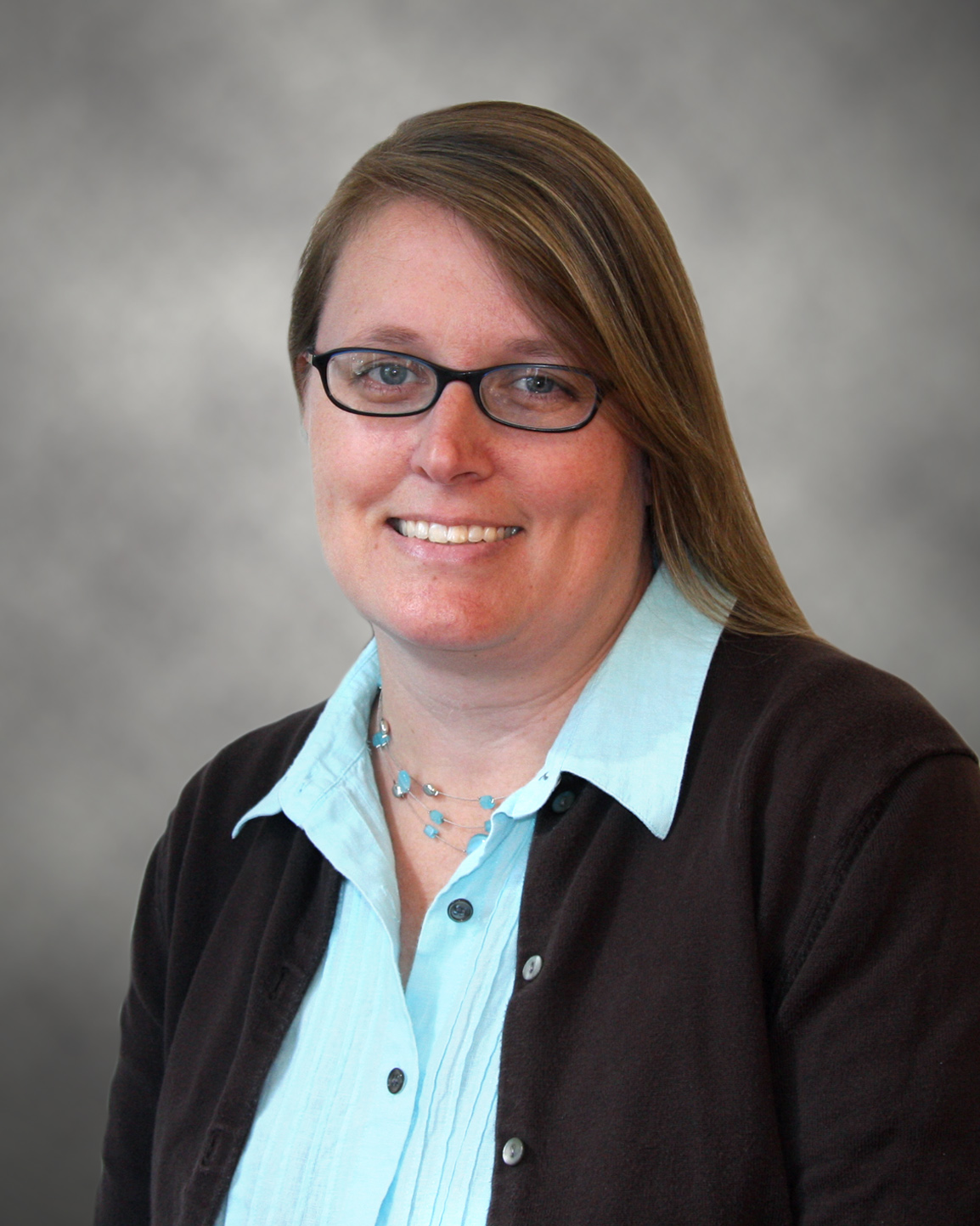
Lisa Pearson

Lisa Pearson serves as the PBS Regional Commissioner for the Northwest/Arctic Region of the U.S. General Services Administration, providing leadership to the region in delivering programs and services for a portfolio of 504 owned and leased buildings across Alaska, Idaho, Oregon, and Washington.

Pearson began her career with GSA in 2001 as an Employee & Labor Relations Specialist in the Great Lakes Region. She has since held several senior level positions including two stints as Acting PBS Regional Commissioner.

She completed a Bachelor’s in Sociology & Urban Studies at Northwestern University and holds a Master’s Degree in Public Policy from Harvard University’s John F. Kennedy School of Government.

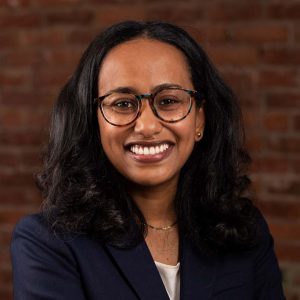
Sebawit (Sebu) Bishu

Sebawit (Seba) Bishu is an Assistant Professor of Public Management at the Evans School of Public Policy and Governance at the University of Washington, Seattle.

Her scholarly work explores race and gender relations in public organizations with a focus on leadership, street-level bureaucracy, identity, and organizational behavior. Bishu’s research asks the question “how do societal, organizational and managerial level factors shape public organizations’ and bureaucrats’ behaviors and decisions, and what are the implications for access to, and quality of, public services?”

Bishu’s work is published in academic journals such as Journal of Public Administration Research and Theory, Public Administration Review, the American Review of Public Administration, and the Review of Public Personnel Administration.  She is currently conducting qualitative research using data from 143 interviews with municipal managers across the United States.

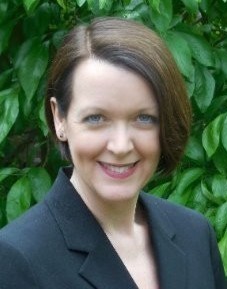
Stephanie Lucash

Stephanie Lucash is Deputy City Manager at the City of Kenmore. She has 30 years of municipal government experience including management and leadership positions at the Cities of Kenmore, Seattle, and Covington. In Kenmore, she oversees an array of critical areas such as economic development, public safety, housing and human services, and more. Her exemplary work in Kenmore has earned her two statewide award.

Lucash is President of the Board of Directors for the Washington City/County Management Association. She also serves on the Association of Washington Cities Board of Directors and as Vice Chair of the Washington Secretary of State’s Archives, Library and Legacy Foundation Board of Trustees.

Before joining Kenmore, Lucash was Director of Citywide HR Planning and Innovation at the City of Seattle where she played a key role in the City’s pandemic response and launched nine citywide human resources projects.

Lucash has a Master’s of Public Administration from the Evans School of Public Policy & Governance at the University of Washington and is a Lean Six Sigma Green Belt, certified Crucial Conversations trainer and Peacekeeper.

Alumni Spotlight: Allie Tripp, MPA ’15

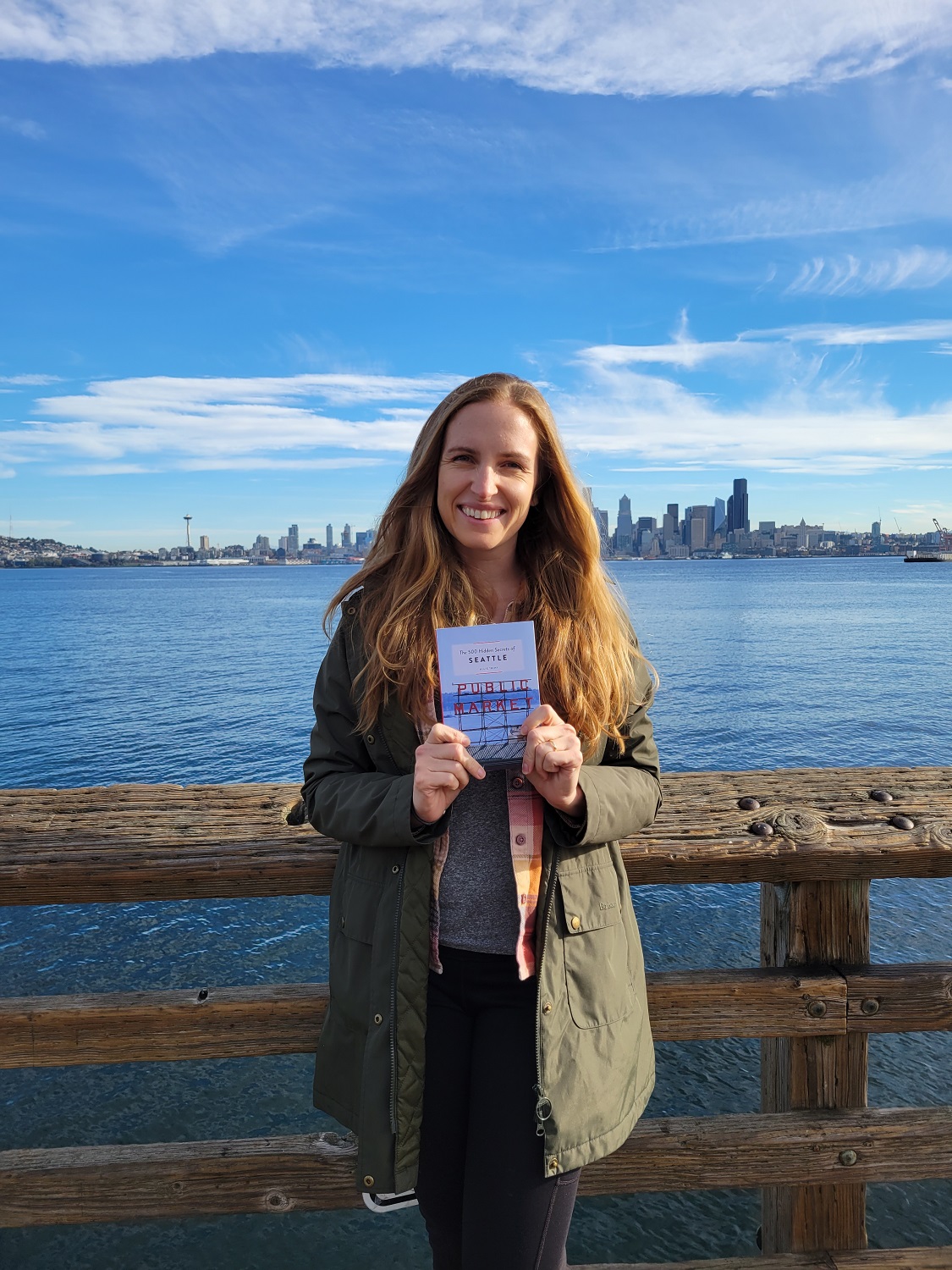
We recently connected with Evans alum Allie Trip, who just published, The 500 Hidden Secrets of Seattle. She shared her journey from AmericaCorps VISTA to Evans where she focused on nonprofit strategy. After graduation she found her way to the Washington Trails Association and becoming an author.

What inspired you to pursue a career in public service?

I wouldn’t say there was a singular moment that inspired me to go into public service but an accumulation of family and lived experiences. My privileged upbringing insulated me from much of the hardships of life in America, though my parents ensured I didn’t take for granted (or ignore) that privilege and encouraged me to consider my impact on the world at large as much as any other criteria when considering potential life paths. Throughout all four years of undergrad, I was a part of a volunteer program where I tutored middle and high school students once a week. The week-to-week experiences were immensely enjoyable, but I was challenged by how the program was managed and the students were treated and by the time I was a senior, I was interested in being a contributor to better managed mission-driven work after graduation.

Allie Tripp holding her new book with the Seattle skyline in the background

What brought you to the Evans School?

I spent several years after undergrad as an AmeriCorps VISTA at a nonprofit in Boston. It was a great place to work as a young professional, dedicated to empowering young people through outdoor sports and leadership, and just small enough that I was welcomed in rooms where strategic decisions were discussed. I realized quickly that, while my liberal arts degree had given me great perspective, I didn’t quite have the language or formal training in program strategy, budgets, or program evaluation that I would need if I was to achieve my hopes of making a difference in my community through my work. As someone who had grown up in various locations along the eastern seaboard, I wanted to apply to graduate schools on the west coast for a change of scenery. I visited the Evans School while in Seattle visiting a friend and immediately fell in love with the UW campus (and Seattle as a whole). I was excited about the school’s dedicated nonprofit management courses and spent the next several months crossing my fingers that I would get in.

Can you talk about your professional journey since graduation and how your MPA helped you get there?

Figuring out how to live in Seattle on a nonprofit salary, saddled with student loan debt, is not for the faint at heart. I had a meticulous job search methodology following graduation from the Evans School and a limited window to land my dream job (in nonprofit strategy). When that time ran out, I opened up my search criteria to roles that were more fundraising-focused, an area in which I had a lot of experience thanks to my time as a VISTA and one of the part-time jobs I held while at Evans. I was thrilled to be hired at Washington Trails Association in September 2015 as their Annual Fund & Events Manager. I spent 2.5 years at the rapidly growing organization supporting their seasonal fundraising campaigns, corporate partnerships and events, while finding additional professional development opportunities within that work (and external to it) to flex my MPA muscles. I also spent a lot of time continuing to invest in my professional network and the nonprofit sector as a whole, as a board member of the Young Nonprofit Professionals Network of Seattle.

When the organization created a new position dedicated to cross-functional strategic planning and coordination, I jumped at the chance to make the move. I’ve now spent almost 6 years as Strategic Initiatives Senior Manager, and I couldn’t be happier to have a role that touches every corner of our work on behalf of all who love the outdoors. I still refer back to lessons learned from the Evans School on a regular basis, in particular the management curriculum, policy analysis, and program evaluation.

You’ve just published a book on hidden Seattle. As a transplant, what made you stay and how did that influence your book?

While Seattle itself (and the physical beauty of the surrounding landscapes) played a huge role in my decision to seek employment after Evans here, I would actually say it is the community that the Evans School gave me that played a larger role in my decision to stay. I continue to be deeply connected to individuals I met through my MPA and am really proud to see what they all are accomplishing out in the world almost 9 years after we graduated.

As for the book, in addition to my love of time spent outdoors, I also love to travel. Nothing (in my opinion) can make a bigger difference in enjoying a new destination than a personal recommendation from someone who loves that place. The chance to help shape someone’s experience for the better while they visit Seattle through my book was a truly exciting one. I even applied some MPA skills (criteria selection is important in all aspects of life!) when selecting places to feature in the book.

What’s one hidden place in Seattle that you’d recommend to a newly arrived MPA student?

Given that West Seattle is home to roughly 1/6th of Seattle’s population, calling it a hidden secret would be pretty funny. But, for new Seattle residents (especially UW-based ones!) I think it can be an overlooked area. Riding the water taxi to West Seattle is an affordable and fun way to get out on the water. Rent a kayak on the other side or enjoy a drink and great eats at Marination Mai Kai. Free shuttles can also take you on to the heart of the West Seattle Junction neighborhood or the fun beach vibes of Alki. You can find these and many more ideas in my book, The 500 Hidden Secrets of Seattle, available online and at many great local bookstores like Elliott Bay Book Company on Capitol Hill (another must-visit for new Seattle residents). I also wouldn’t be doing my job if I didn’t encourage all newly arrived MPA students to download WTA’s app, Trailblazer, to help them find their first of many favorite hikes in Seattle and Washington at large!

From Isolation to Connection: Lockdown Relationships Inspire New Professional Network

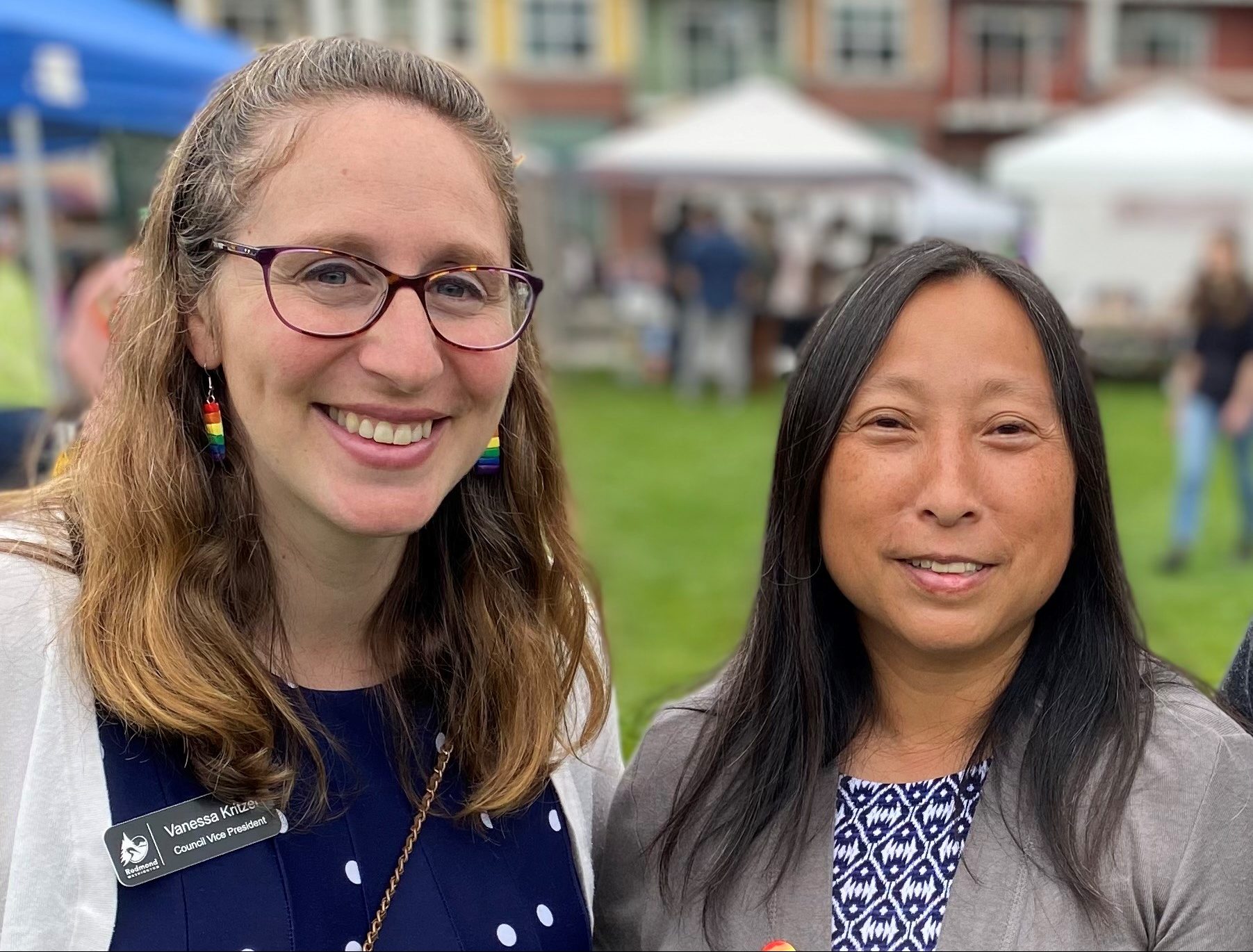
Vanessa Kritzer and Janice Zahn

By: Lauren Domino (MPA ’11), Assistant Dean for Advancement & Innovation at the Evans School 

2020 was not the easiest year to begin a career as an elected official, but that’s the situation Vanessa Kritzer (MPA ‘17) found herself in as a newly elected member of the Redmond City Council.  “It was a challenging time – navigating this new role via virtual council meetings and facing multiple complex policy and budgeting issues. I started reaching out to other leaders that I respected to get a sense of how they were approaching it, and Janice Zahn was at the top of my list,” shared Kritzer. The two met a few years prior while Kritzer was still a student at the Evans School and serving on the National Women’s Political Caucus of Washington Board and connected over their shared Evans School experience.  

When Kritzer reached out during the early days of the pandemic, Zahn (EMPA ‘12) had already served on the Bellevue City Council for a few years and had begun a three-year term on the King County Board of Health in January 2020. “I was more than happy to connect with Vanessa and support her in this journey,” shared Zahn, who faced similar challenges of moving into lockdown and leading through the public health crisis. “I think back on this time and wonder, what could have been possible if I was able to dial into the Evans School to navigate this uncharted territory?” She recalled how her EMPA cohort was thirsty to continue working together after graduation in 2012 and self-organized “salons” around different topics – from public safety to affordable housing – to help springboard the work that they were each trying to advance.  

Kritzer and Zahn have kept in touch over the years – through the ups and downs of public leadership and reelection campaigns. Now, they’re thinking bigger about what’s possible. The two have come together with support from the Evans School team to launch the Evans in Government Network. The goal is to build a community of Evans Alumni who are working as government staff or elected officials to strengthen professional ties, support one another in addressing the pressing issues of today, and expand pathways to public service by connecting with the next generation of leaders. “I’m thrilled to create a space where we can come together and think about the most wicked problems we want to solve – and how we can work on innovative solutions that cut across cities, counties, and state policies,” shared Kritzer.  

Planning is underway for an Evans in Government Network launch event in March 2024. For more information or to sign-up, please visit the Evans School’s Alumni page

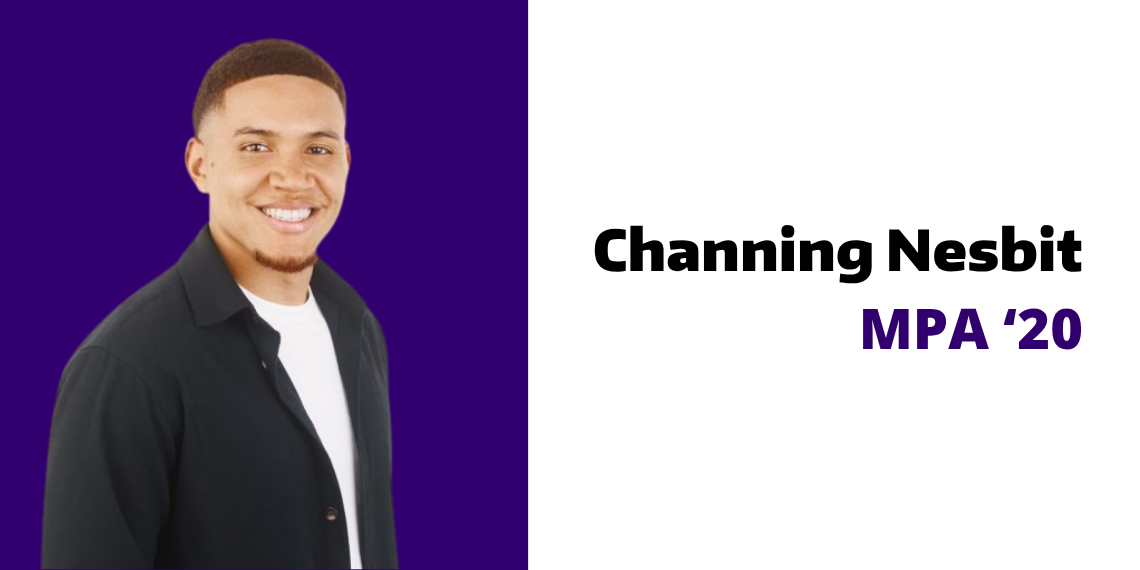
Alumni Spotlight: Channing Nesbit, MPA ’20

Channing Nesbit

We recently connected with Evans alum Channing Nesbit, who shared about his path from student-athlete on the Husky baseball team to pursuing an MPA at Evans. He also shared about his journey after Evans to the tech social impact sector, and more recently, to the Venture Capital space with Salesforce Ventures and how his experience at Evans has shaped his commitment to equity. 

Describe your journey towards pursuing your degree at Evans. What inspired you to pursue a career in public service?

Towards the end of my time on the UW baseball team, it became clear that I would not be able to pursue baseball as a career and I began considering what was next for me. Although I had two great internships at King County (thank you Leesa Manion!!), I realized I wasn’t 100% sold on going to law school.  

Around this time, I took Dorothy Bullitt’s Leadership class in 2017 and she ended up becoming a mentor and has since remained a great friend. We would often talk about politics, civic engagement, public policy and what it would mean to operate across all of these spaces. She encouraged me to look deeply at the Evans School program and as I did, I started shifting academic focus towards economic policy and opportunity building. Along with this shift, my long-standing interest in social impact and my desire to serve within my community is what ultimately led me to commit to Evans. The Evans curriculum centered around themes addressing systemic issues that have led to the degree of economic disparity we see today – this shaped my focus on how I can help close this gap to serve communities long-term.  

Describe your journey to the work you’re currently doing and how your MPA helped you get there. 

The journey started with my Evans internship, which focused on social impact with Tableau and Tableau Foundation. This internship gave me experience in grantmaking, project/program management, and an understanding of technology for good that allowed me to learn and grow as a professional and leader. I joined Tableau Foundation after graduating from Evans. Much of my work focused on partnering and collaborating with organizations that were heavily focused on combating issues that spurred the beginning of the 2020s, such as racial, economic, and educational equality, and criminal justice.

After a few years of growth and organizational changes, I pivoted and wanted to learn and work more closely in the impact investing space. Impact investing focuses on providing avenues for directing capital towards efforts and innovation that provide benefits for larger society through efforts in sustainability, climate, education, and economic opportunity building, especially at scale. This is an industry and space that I believe will play a pivotal role in society going forward by helping to provide a sustainable and equitable future for all.  

I understand that my current role with Salesforce Ventures may not be a typical role where most folks with an MPA may find themselves. But I find it fascinating, especially given the AI innovation we’re seeing. Understanding how these monumental developments will need to be regulated, made accessible, and ultimately used for good is a huge focus for our team and Salesforce at large and something that evolves daily.  

You were involved in leading efforts in student interest groups like the Black Student Athlete Group and EPOC (Evans People of Color). Can you share more about your experiences being a part of these groups as a student? 

Along with other student-athletes, I was a part of starting the Black Student Athlete Group during my time in undergrad, and it’s great to see it is still thriving at UW. As a grad student, I was drawn to fellow classmates who were also passionate about demonstrating a commitment to diversity through our work and leadership on campus, and that led me to become a part of Evans People of Color (E-POC). 

As a member of E-POC, I was able to play a part in helping to organize the UW Evans School Coalition Summit on Race and Equity. It was exciting and energizing to see our community come together to discuss tangible policy and community solutions to the critical issues we’d learned about at Evans and were watching play out in real time. The Summit provided an opportunity for us to learn from experts in the field, share our own experiences, and network with leaders focused on addressing the racial, economic, and educational disparities being perpetuated throughout communities. It was great getting to collaborate with my fellow classmates and see many of their respective lights shine through their leadership, and it seemed to foreshadow of a lot of the amazing work that Evans folks are pursuing today.

The Evans School’s values are equity, courage, and service. In what ways have these values shaped your time as a student?

In general – these are all values that are core to how I aim to show up in everything I do, and have kept me inspired and energized as I wake up every morning. Through the early stages of my career, my role was specifically focused on working with organizations across the country whose missions centered around these themes and more. During my time with Tableau Foundation, we were focused on building and expanding the equitable use of data/data tools. This framed our partnerships with organizations, who were on the ground working with communities to combat injustice and inequity. My time at Evans prepared me to look at every part of my work through the lens of equity, courage, and service. Regardless of what rooms I enter or paths that I will navigate through my life and career, equity, courage, and service are a part of the few constants that I hope will always shine through my actions and energy.