Skip to content

Dean Jodi Sandfort elected to NASPAA’s Executive Council

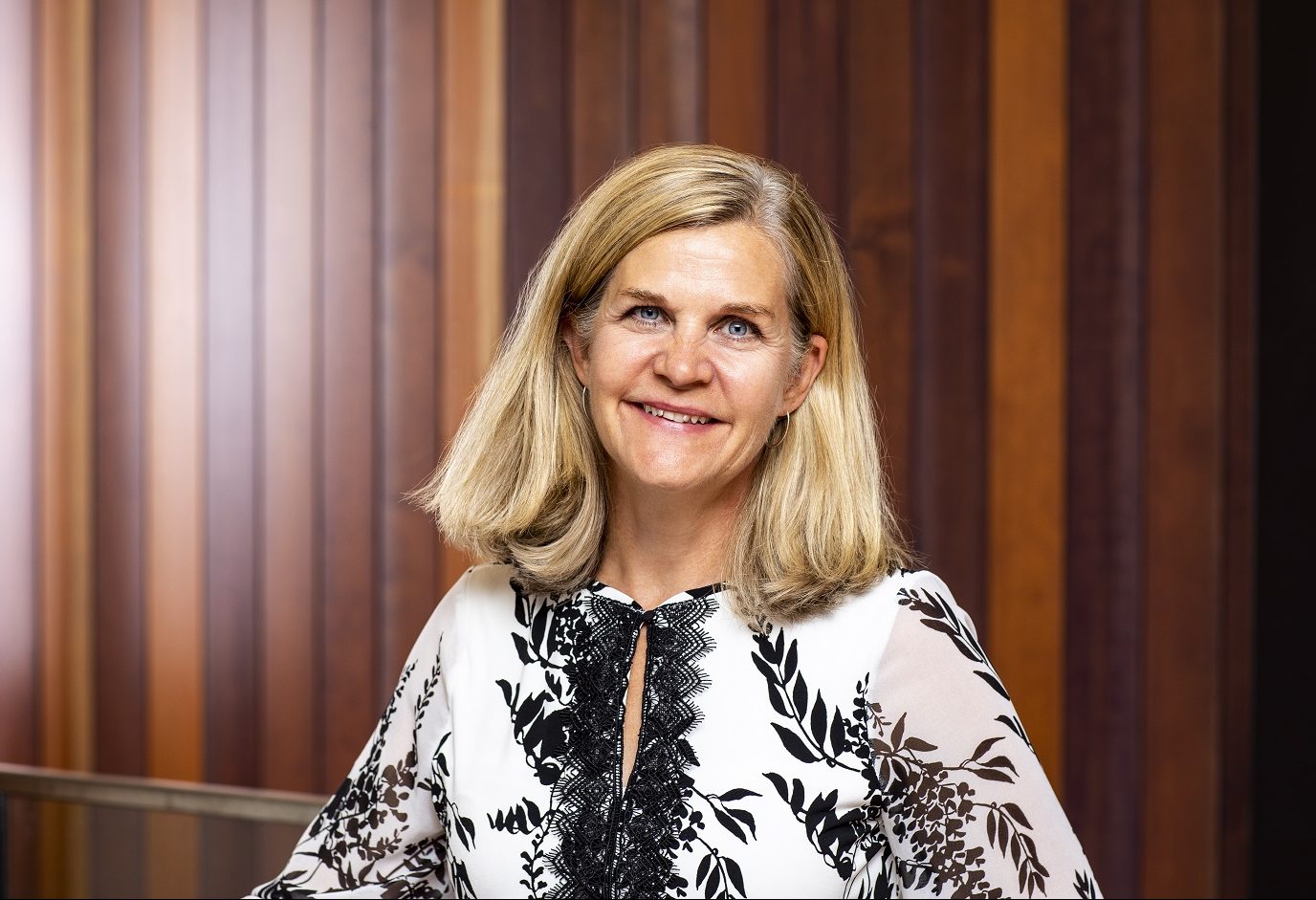
The Evans School is pleased to announce that Dean Jodi Sandfort was elected today to NASPAA’s Executive Council to serve a three-year term, 2021-2024.

NASPAA’s Executive Council is the network’s national governing body and is responsible for overseeing the planning, organizing, and supervising all activities, including applications for membership, committees, and policies.

“I am honored to be joining NASPAA’s Executive Council this fall and hope that during my three-year term I am able to move the needle for Public Policy and Public Affairs Schools. NASPAA’s Diversity and Social Equity Committee has developed an ambitious and long overdue agenda for curricular transformation, and I look forward to supporting those efforts across our profession.

The Network is also engaged in serious conversations about doctoral and under-graduate education, so I look forward to bringing the Evans School’s expertise into those discussions as well.” – Dean Sandfort The Network of Schools of Public Policy, Affairs and Administration is the international associate focused upon ensuring excellence in education and training for public service. It oversees the international accrediting body for master’s degrees in the field, provides advocacy with governments about the needs of public affairs education, encourages curriculum development and innovation, operates a student honor society, and oversees a data center that is the fields’ authoritative source.

Dean Jodi Sandfort

NAPA Social Equity Leadership Conference

The 20th Annual National Academy of Public Administration (NAPA) Social Equity Leadership Conference (SELC) was held June 9 – 11, 2021. The theme, “Fostering Social Equity: Innovation and Change,” emphasized developing and promoting concrete actions with lasting impact. The conference provided a space to discuss how public administrators can develop a broader understanding of social equity and recognize social equity’s implications within the administrative context.

Social equity—a key pillar of public administration alongside economy, efficiency, and effectiveness—addresses fairness, justice, and equity within a variety of public contexts. In its continuing fight for social equity in public administration, NAPA envisions transforming the public administration landscape and the public it serves by developing a framework that would enable public administrators, policy makers, legislators, and other like-minded organizations at all levels of government to assess the social equity impact of proposed legislation, regulations and policies and make necessary adjustments before they are implemented.

Q&A with Dean Jodi Sandfort and Gary Glickman, Standing Panel on Social Equity in Governance Chair, NAPA

Understanding Social and Economic Factors of Social Infrastructure

Given events of the last few years, many things are changing in our political, economic, and social lives.  This panel provides cutting edge research to help us understand some of these changes, from the racial reckoning and social response that pulled down confederate statutes to changes in the workforce and contracting practices during COVID and in recent years.

Blueprint for a Just & Equitable Future: Washington State’s 10-Year Plan to Dismantle Poverty

Stubbornly high rates of poverty are the product of inherently unjust and unequal policies, programs, and practices that have underwritten our economy for decades. In response, Washington state Governor Jay Inslee created a Poverty Reduction Work Group (PRWG) in 2018, tasking the group with the creation of a comprehensive, 10-year plan to dismantle poverty. With sincerity and humor, PRWG members Jennifer Bereskin, Drayton Jackson, Lori Pfingst, and Shereese Rhodes will share the journey to create the plan – the trials and tribulations of overcoming institutional distrust of agencies, the implicit biases we hold about people experiencing poverty and those serving them, how we are all undermined by systems underwritten by white supremacy, and the power in recognizing each other’s humanity.

Racial Justice: Not a Zero Sum Game - Government’s Role in the Racial Justice Reckoning

Panelists from the Seattle Office for Civil Rights discuss about the growing polarization and entrenchment surrounding the racial justice reckoning the country is experiencing; how the Seattle Office for Civil Rights’ Race and Social Justice Initiative is structured and works; our journey to rebuild accountability to community; and how city departments make the work of antiracism their own.

Evans Welcomes New Faculty Members in Autumn 2021

The Evans School is proud to welcome two new faculty members to the Evans School community for the 2021-22 academic year. Dr. Sebawit G. Bishu and Isabelle M. Cohen are both highly accomplished scholars and educators who will significantly enhance the Evans School’s offerings and add great vibrancy to the Evans School community.

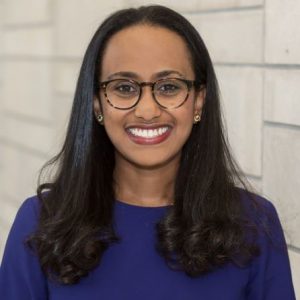
New faculty member Sebawit Bishu.Sebawit G. Bishu, Ph.D.

Sebawit G. Bishu is currently an Assistant Professor at the University of Colorado Denver, School of Public Affairs. She also holds a non-resident fellow appointment at Harvard Kennedy School of Government, Women and Public Policy Program (WAPPP).

Bishu’s research centers around making government effective and equitable through conscious and ethical public management practice. Her work aims at understanding and improving the circumstances under which government provides equitable opportunity to all its workforce and equitable service outcome to citizens. Bishu is passionate about improving women’s and racial minority group’s participation in decision-making roles in government in Africa and the United States.


New faculty member Isabelle CohenIsabelle M. Cohen

Isabelle Cohen’s research focuses on understanding technological and organizational innovations in developing countries. She partners with governmental and non-governmental organizations to rigorously evaluate new programs, policies and procedures, using tools such as randomized evaluations, administrative data analysis, geocoding and machine learning techniques. Much of her current research is focused in Uganda, although she has worked and done research in many other countries, including India, Peru and Greece.

Cohen will receive her Ph.D. in Economics from the University of California, Berkeley in May 2021. She received her Master’s in Public Policy from the College of William & Mary in 2012, and her B.A. in International Relations from the same university in 2011.

Many thanks to the dedicated work of the Search Committee Chairs and all who served on the search committees for their careful reviews, engaged participation, and generous welcome toward the candidates.

Anti-Racism Action in 2020 and the Road Ahead

In June of 2020, I wrote to the Evans School community with a call to make anti-racism action our cornerstone for the year ahead. I am deeply appreciative of the many initiatives spearheaded, conceived, and supported in partnership between staff, faculty, students, and the administration over this time. While I realize and understand that – in many ways – we are just beginning, I also acknowledge the longer-term efforts of those in our community who have engaged in this work with passion and purpose for many years.

I am particularly grateful for the staff’s focus on identifying funds within all sub-budgets to dedicate to this work, as well as the identification of, development of, and engagement with internal and external training opportunities. Staff have inspired change in every team, as individuals and units identified actions and dove in. In particular, staff have thought deeply about every aspect of our engagement mission, including our approach to hosting internal and external events that embrace equity and inclusion.

Additionally, staff and faculty were pivotal in the autumn quarter launch of the Dean’s Forum on Race and Public Policy, which engaged more than 300 members of our wider community in conversations about race, voter rights and suppression, as well as policy, legal, and informational solutions. The election season was contentious and historic and called on us to lead in a special way given our platform as a top policy school. With the transition in Washington D.C. now underway, we will continue to use our voice and leverage our role in national conversations about racial justice, economic impact, community development, and public sector rebuilding.

Faculty and staff have been charged with leading anti-racism action in their service roles, particularly in the standing and ad-hoc committees which support the school’s educational and research programs and carry out school business. Committees that impact admissions, curriculum, merit evaluation, promotion, and hiring all reflect this priority. The partnership of students on many of these committees has also been a tremendous asset.

Related to our teaching mission, faculty have undertaken training and practical exercises to increase their capacity to lead discussions on race and equity in the classroom, and more generally. As one example, this autumn the Evans School collaborated with the Foster School and the Information School to tackle inclusive teaching and learning in a faculty workshop supported by a UW Diversity and Inclusion Seed Grant. Faculty worked on syllabi and classroom techniques, and also brought key takeaways back to their peers, further increasing this program’s impact. To support this work during this pandemic era of remote instruction, assistance was provided to faculty by the Dean’s Office to help develop accessible and inclusive classrooms and course materials. In addition, the Center for Teaching and Learning provided a workshop for Evans School faculty, and we set aside time for targeted discussions during faculty meetings.

We acknowledge the disproportionate burden carried by our faculty and staff of color during this time of increased awareness of longstanding racial injustice, especially in supporting student needs and particularly BIPOC students, but also in educating their peers and providing critical insights and role modeling, and we have worked to target support that reflects these often-unseen contributions.

Students have been partners in numerous efforts related to our programs and teaching mission, bringing a race, equity, and public policy lens. Notably, last spring the MPA students on the Curriculum Advocacy Team completed an independent research study to help the school think deeply about incorporating race and equity content into our curriculum and classrooms. Over the summer, faculty reviewed the report and its recommendations, some of which have been actionable in the short term, while others reflect longer term initiatives. PhD students also engaged in their own dedicated training and brought forward suggestions for action to promote racial justice in their program. And the EMPA program is engaging in an equity audit of its curriculum, ably led by an outstanding EMPA alum.

As I end my term as interim dean, I celebrate incoming Dean Jodi Sandfort’s commitment to lead the Evans School to be anti-racist institution. In her tenure as dean, anti-racism action will continue to be a cornerstone of our work and will expand further as our school explores how to diversify the pipeline of public servants through partnerships with the Public Policy & International Affairs Program and re-define our curriculum. While we are early in this journey, it has been inspiring to witness the energy and intention demonstrated throughout our community. I look forward to the time ahead as the Evans School begins its next chapter, together!
Rear Admiral Bill Center, MPA ‘78 receives 2020 UW Distinguished Alumni Veteran Award

In honor of Veteran’s Day 2020, Retired Rear Admiral Bill Center, MPA ‘78, was selected as the recipient of the University of Washington’s 2020 Distinguished Alumni Veteran Award. Congratulations on this well-deserved recognition, Rear Admiral Center!

Learn more about Rear Admiral Center’s life-long commitment and service to his country, the US Navy, and to the UW in the video below.

Celebrating the End of the Campaign for Evans

gif with purple You Did it and a gold background

Ten years ago, the University of Washington launched the Be Boundless — For Washington, For the World campaign, with the powerful idea that what you care about can change the world. Over this decade-long campaign, the Evans School community — our alumni, friends, faculty, staff, and students — invested a combined $50,453,543 in our school through the Campaign for Evans. Your investment helped to profoundly amplify the impact of the Evans School.

Today, in this time of tremendous societal upheaval marked by racial injustice and a worldwide health crisis, the work of Evans School students, alumni, and faculty is more important than ever. As we pause to celebrate the campaign’s completion and reflect on the many ways you helped change the world for the better, we also know there is much work ahead, in the months and years to come.

A Strengthened Community

3 purple team logo

4,095
Total Donors

first place medal

3,070
First Time Donors

purple piggy bank

$50,453,543
Total Raised

UW paper logo

19
New Endowments

students walking on campus

A TRANSFORMED EVANS SCHOOL STUDENT EXPERIENCE

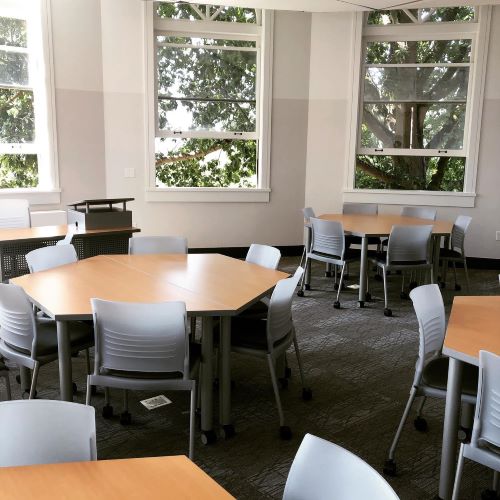
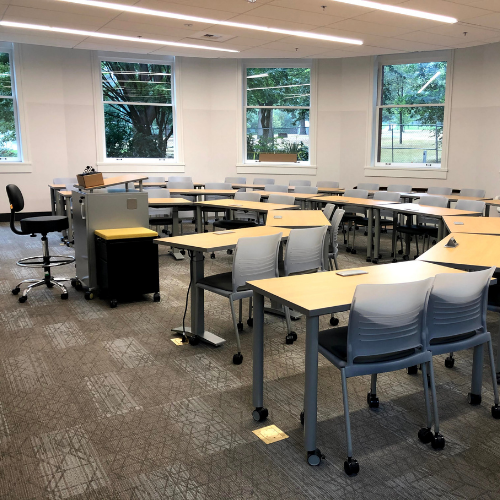
More than 500 Evans alumni, faculty, staff, and public service champions, along with the UW and the State of Washington, came together to contribute $24 million to transform the interior of Parrington Hall. Together, we have created innovative and inspiring spaces for Evans School students and faculty, so that they can bring innovative solutions to the world’s most challenging public problems.

Empty Classroom
Staircase
empty classroom
  • Parrington now boasts five large classrooms (more than doubling our classroom space), all of which are outfitted with the technology needed to prepare public leaders for the challenges of 21st century.
  • While you may be familiar with the iconic red brick exterior, the remodeled Parrington has turned GREEN, having achieved LEED Gold standards thanks to the energy efficiency of all new electrical, ventilation, and climate control systems.
  • Throughout the project, we upheld Evans’ commitment to diversity, equity, and inclusion by exceeding UW Equity standards for contracting with women and minority-owned businesses.
Graduation Ceremony

AN EXPANDED EVANS SCHOOL IMPACT

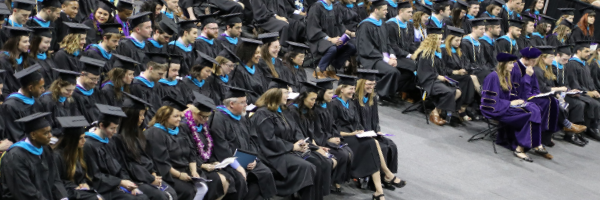
Evans School alumni are change-makers. Their impact is broad and deep – and has grown tremendously over the course of the campaign. In fact, 43% of ALL Evans Alumni graduated during the last ten years.

Moving forward, more students than ever before will have access to our school. Since 2010, donors have contributed nearly $6 million in student support funds. In addition to gifts that were put to use supporting students immediately, 17 new endowments have been established to provide fellowship funds for Evans students in perpetuity, including 4 new funds designated for Black, Indigenous, students of color or first-generation students. We are proud that today, nearly 40% of MPA students receive a fellowship award upon admission to the Evans School, enabling more students to pursue a degree and career in public service.

Washington State Ferry in motion

RESEARCH FOR THE PUBLIC GOOD

In addition to educating the next generation of public leaders, Evans School faculty are aiming their scholarly work towards some of society’s most pressing problems. Over the last ten years, Evans School faculty received more than  $30 million  in private grants to support their research. From the Evans School Policy Analysis and Research Group (EPAR), to the Minimum Wage Study, to a report on the Washington State Ferries’ Triangle Route, our faculty work collaboratively to apply evidence-based research with cutting-edge methods to solve problems.

In addition to research funding, individual donors provide an important source of support for the contributions of our faculty through endowed professorships and faculty fellowships. For example, in 2017, David Suárez became the inaugural recipient of the Colleen Willoughby Endowed Faculty Fellowship in Philanthropy & Civil Society. This fund has supported Dr. Suárez’s work, including his research on advocacy among community foundations in the U.S., and their ability to produce social change.

classmates laughing

A HEALTHIER WORLD

Since 2017, the Evans School’s International Program in Public Health Leadership (IPPHL) has trained 45 public health professionals across 18 African countries on how to craft policy solutions and identify and mobilize stakeholders to address public health challenges such as HIV/AIDS, maternal and child health, and infectious disease. Today, many program fellows and alumni are at the forefront of their country’s and region’s responses to the COVID-19 pandemic.

Funded by the Bill & Melinda Gates Foundation, IPPHL continues to increase in both scale and impact, including doubling the cohort size, expanded alumni opportunities through ongoing development, and new partnership development on the African continent.

a Purple Thank you with Mount Rainer Background

Thank you for the 50 million ways you’ve helped to broaden our school’s reach and deepen our impact over the last decade. It is because of the generosity of the Evans School community that we can and will take on the many challenges of today — and prepare for the challenges of tomorrow.

Make a Gift

WITH SPECIAL THANKS TO:

Our Campaign leadership — Bill ClappMaria Denny, the Hon. Daniel J. Evans and Nancy B. Evans, and Tom Waldron (in memoriam); Campaign council members John HoersterSri Remala KamdarMaggie WalkerColleen Willoughby; Members of our Evans School Advisory Board and Honorary Advisory Board; and Dean Emerita Sandra Archibald and Interim Dean Alison Cullen for their tremendous leadership.

Evans Student Recognized in 2020 Husky 100

husky_100_2017

The Evans School is proud to recognize its newest member of the Husky 100 Charmila Ajmera, MPA ’20 whose passion, leadership and commitment inspires us to make a difference on campus, in our communities, and for the future.

Charmi was selected based on her ability to embrace innovation and novel ways of thinking, to seek understanding of and engagement with diverse communities, to lead proactively, and to take on her bright futures with enthusiasm, savvy, and fortitude.

“Charmi is a natural leader,” writes Evans School Senior Assistant Dean of Students Carrie Evans. “Other students look to her for guidance, direction and support.  She is remarkably strategic, astute and tactical in how she has sought to build a successful and effective coalition of students, faculty and staff working collaboratively towards shared goals on critical issues pertaining to race, equity and inclusion.”

Charmi contributes to the Evans School community in many ways, including as a leading member of the student-led Curriculum Advocacy Team. The Curriculum Advocacy Team has been instrumental in engaging with faculty to more effectively integrate race, equity, and inclusion as a core element of their syllabi, course delivery, and approach to teaching. This work has been transformative for the Evans School, and Charmi has been at the forefront.

In Charmi’s own words: “I am humbled to be recognized as one of the Husky 100 and so proud of the work that the Curriculum Advocacy Team has done in partnership with Evans students, faculty, and staff. This is hard, generational work to change public policy education (and public policy!) to center equity and to be intersectional, anti-racist, and anti-oppression. COVID-19 and all of its repercussions are revealing just how vital it is to center equity in policy and what tremendous losses we suffer as a society when we don’t. We have a unique and powerful opportunity to set the curve for how public policy institutions all over the country think about who – and how – they serve. I am honored to help further this vital work.”

The Husky 100 recognizes UW juniors, seniors and graduate students who are making the most of their Husky Experience, as demonstrated by the ways in which they fulfill the five program criteria. This year’s selection process was highly competitive, with more than 1,800 nominations and more than 600 applications from all three UW campuses.