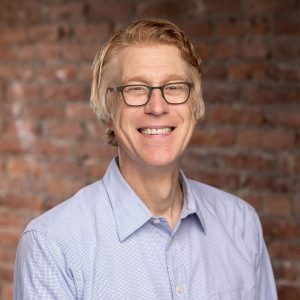
Stephen B. Page
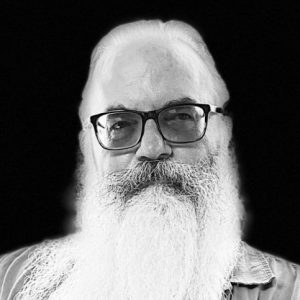
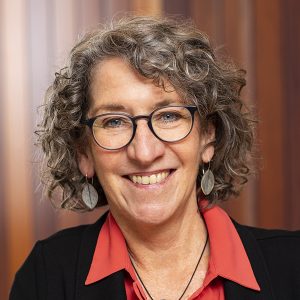
The UW Philanthropic Project is a multiyear research program seeking to understand the many important roles that philanthropic foundations play in American society.
Phase One of the UW Philanthropy Project consists of a national survey of philanthropic foundations that aims to understand the decision-making processes of foundation staff and leaders. This survey is made possible through support from the Ford Foundation. Phase Two uses in-depth case studies to generate practical implications for foundation staff and refine theory development on philanthropic foundation decision-making.
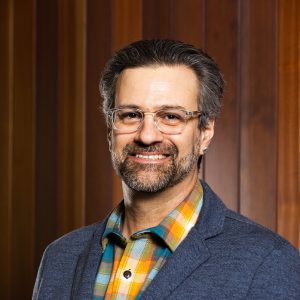
David Suárez, Ph.D., is a professor and the Colleen Willoughby Fellow in Philanthropy & Civil Society. His current research explores a) the relationship between management strategy and organizational performance in social sector organizations and b) the consequences of professionalization for nonprofits and foundations. He is particularly interested in collaboration, advocacy, and civic engagement—issues that link nonprofits and philanthropic institutions to public agencies and the policy process.
Emily Finchum-Mason is a Ph.D. graduate of the Evans School of Public Policy & Governance. Her dissertation research focused on the relationship between organizational professionalization and the representation and participatory inclusion of marginalized beneficiaries as a result of the government-nonprofit contracting relationship. Her other research interests include interorganizational dynamics in collaborative governance regimes and racial/ethnic representation in nonprofit leadership. Emily holds an MS in Policy Studies from DePaul University.
Kelly Husted is a Ph.D. graduate of the Evans School of Public Policy & Governance. Her dissertation research focused on the role large foundations play in influencing public policy. Her other research streams include accountability within collaborative governance partnerships and the potential for democratizing philanthropy through women’s collective giving. She holds an MPA from the University of San Francisco and a BA from Stanford University in Political Science and Comparative Studies in Race and Ethnicity.
View the survey instrument used in Phase One of this study.
If your foundation is interested in partnering with our research team, please contact suarezdf@uw.edu.
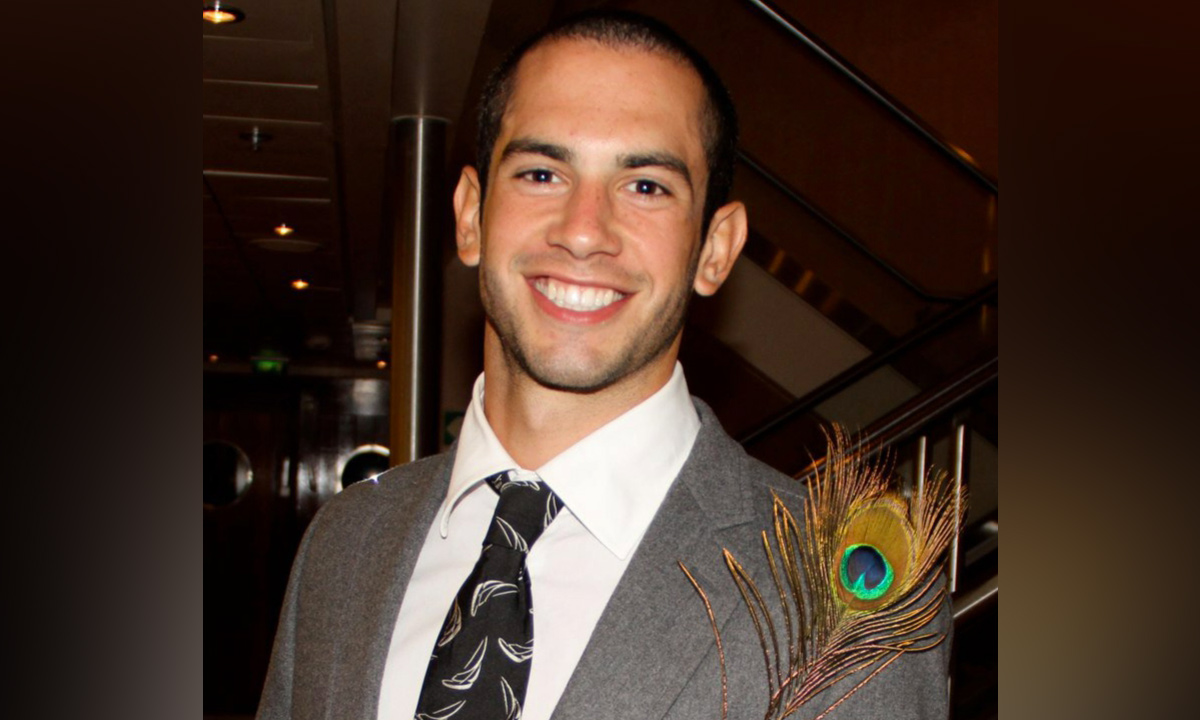
At the Evans School, we educate leaders who meet societal challenges with compassion, vision, humility, and authenticity. Eric Holzapfel, MPA ’17, embodies these traits in his work as the Immigration Manager of Entre Hermanos, a Latino LGBTQ nonprofit in Seattle. Read about what has sustained Eric throughout his career as a public servant, and hear his perspective on the necessity of integrating your own life experiences into the work we do for others.
I am a graduate of the MPA program at the Evans School, and I have a Bachelor’s in Political Science and International Relations from the University of Kentucky. I am a native of Ecuador, and I have more than a decade of experience working with Latino and minority communities in criminal justice reform, immigration, youth mentorship, medical access, language rights, civic engagement, and wage theft in the United States and Ecuador.
I have worked as a legislative aid in the Ecuadorean Congress, a medical interpreter-patient advocate, policy writer for a Congressional campaign, and now serve as the Immigration Manager of Entre Hermanos, a Latino LGBTQ nonprofit in Seattle.
In the past year, I’ve led a series of state campaigns including: opposition to “public charge” changes in immigration law, immigration detention/bond reform, and Census funding for community-based outreach. I also oversee the expansion of our immigration representation of LGBTQ Latinos, particularly among asylum seekers from Central America.
As a child my parents instilled in me an appreciation for life and the privileges I’ve had. I grew up in Ecuador at a time when child labor, especially on the streets, was common. This reality inspired me to dedicate my life to public service. I get up every morning excited to serve Entre Hermanos’ clients and the immigrant and refugee community of King County.
The first piece of advice I’d give is, “Check your ego at the door.” Confidence is important in any career, but I’ve learned that egos (especially in public service) only get in the way.
Second: your life experiences matter. Getting an MPA is a big accomplishment and it certainly provides you with a great skills to enter public service but your life experiences-both personal and professional- are what drive you and give you purpose in your work.
I think having a steady-hand is critical to public service. Working in advocacy and in the nonprofit world, you will have so many highs and lows from legislative, funding, and policy victories and losses. It’s important to keep a positive outlook and keep grinding.
Your efforts don’t always bear fruit right away, but when they do it’s so rewarding.
I’ll always remember my peers at Evans, especially the cohort that formed the Evans People of Color (E-POC) student organization. Our shared experiences in grad school and seeing the work that we’re all doing now is inspiring.
I’m currently helping my organization through a leadership transition and a time of immense growth. I want to continue working to expand legal and holistic services for the Latino LGBTQ community of Washington State. I am so thankful to my co-workers at Entre Hermanos for their endless dedication to promoting the health and well-being of the Latino LGBTQ community who are with me in that effort.
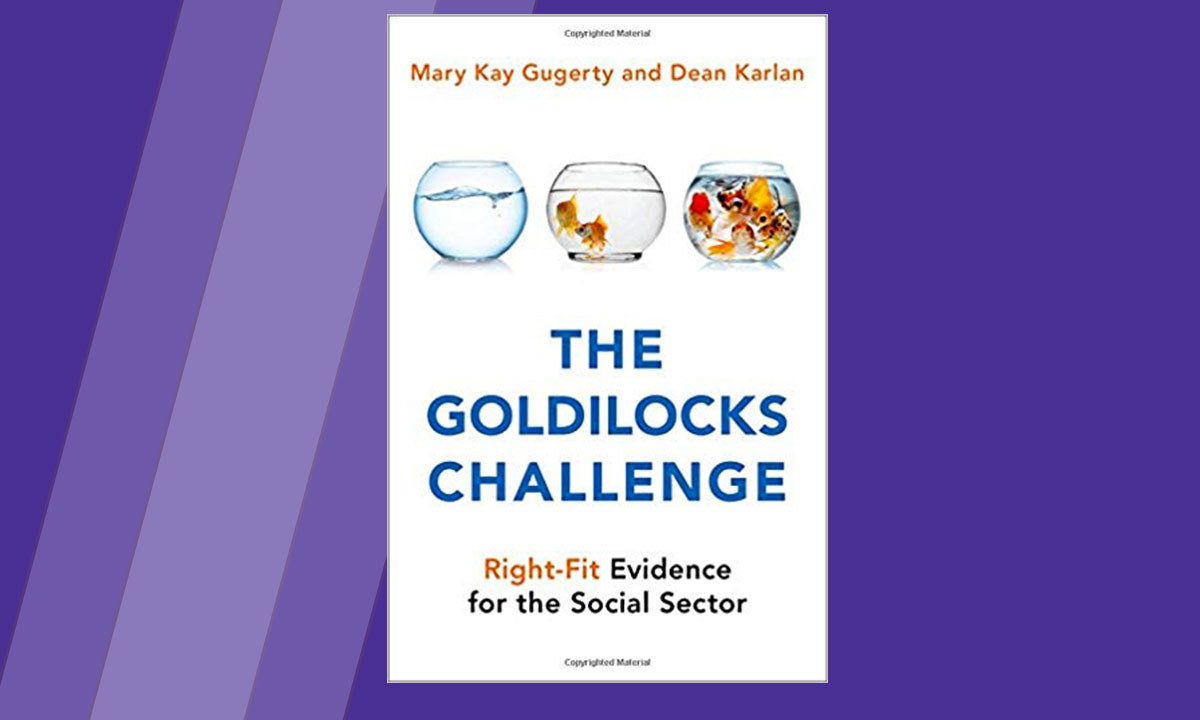
The Alliance for Nonprofit Management presented the 2018 Terry McAdam Book Award to Professor Mary Kay Gugerty and her co-author for their recent book, The Goldilocks Challenge: Right-Fit Evidence for the Social Sector (Oxford University Press, 2018).
Now in its 30th year, the Alliance’s Terry McAdam Book Award Committee reviews books published in the nonprofit sector; highlights the very best thinking in management, governance, and capacity building; and helps expose practitioners to new knowledge and approaches in the field. After reviewing 21 nonprofit capacity-building books published in 2017 or 2018, the committee determined that The Goldilocks Challenge best exemplified the spirit of the award: research-to-practice principles; relevance to the whole nonprofit sector; persuasive reasoning; and readability.
From the Committee: The Goldilocks Challenge is about measuring impact. Measuring impact: we all want to do it, know we have to do it…and are all too often frustrated by one-size-fits-all expectations of how to do it, expectations based on large nonprofits that represent so few of the organizations that most of us work with. The Goldilocks Challenge offers a solution: an impact measurement framework that helps organizations decide what elements they should monitor and measure. This framework is based on four principles, called the CART principles: Credible data; Actionable data; Responsible data; and Transportable data. Dive in to learn more about the CART principles and how you can immediately begin using them with the organizations you work with.
“I know how to make [collaboration] happen because of the Evans School MPA program,”