Skip to content

Public Investments in Community College Baccalaureate Degrees

Empty classroom

Investigating Program Approval and Development Data

In recent years, the landscape of higher education has witnessed a significant shift, marked by the proliferation of Community College Baccalaureate (CCB) degrees across 24 states that now award more than 25,000 bachelor’s degrees annually, and growing. Advocates of CCB degrees argue they cultivate talent and bolster state and regional economies, at the same time providing access to baccalaureate programs of study for adult learners and others who are rooted in communities where they work and care for family members and friends.

The University of Washington, in partnership with the firm Bragg & Associates and the Community College Baccalaureate Association is pleased to announce a new $250,000 grant from the Strada Education Foundation to research the data that states and colleges use to make the case for CCB degrees, identifying the strengths and limitations of current CCB policies and program approval processes. Phase one of this multiphase study occurs over the next 18 months and allows the research team to investigate program approval and development processes for new CCB programs in two states. By leveraging mixed methods and data-driven insights, results of the study will inform higher education decision-making and, ultimately, fortify state and local economies by ensuring adults and others served by community colleges gain opportunities for well-paying careers and lifelong learning. While the focus is on CCB degrees, the implications extend beyond community colleges to public investments in higher education.

Dr. Elizabeth Meza, Principal Investigator at the University of Washington Evans School of Public Policy and Governance described this study as “the first to systematically investigate data used for decision-making about CCB program approval and development. If colleges get this right and can provide quality degrees that students want and the labor market demands, all for an affordable cost, it can be a big win. However, the challenge is that’s a lot of moving pieces to consider.”

Dr. Meza, working in partnership with co-Principal Investigator Dr. Debra Bragg of Bragg & Associates, Inc., will examine data used for supply and demand analysis, curriculum and instructional design, partnerships involving colleges and employers and community-based organizations, and equity in student access and program outcomes. According to Dr. Bragg, “an important question the study will ask is how the case for new CCB programs address whether these programs create more equitable baccalaureate pathways for racially minoritized and other under-served populations.”

The Community College Baccalaureate Association (CCBA) is partnering in this project to ensure a robust network of colleges is involved and results are shared nationwide.

Public Health and Policy: Ikrama Hassan, IPPHL ’19

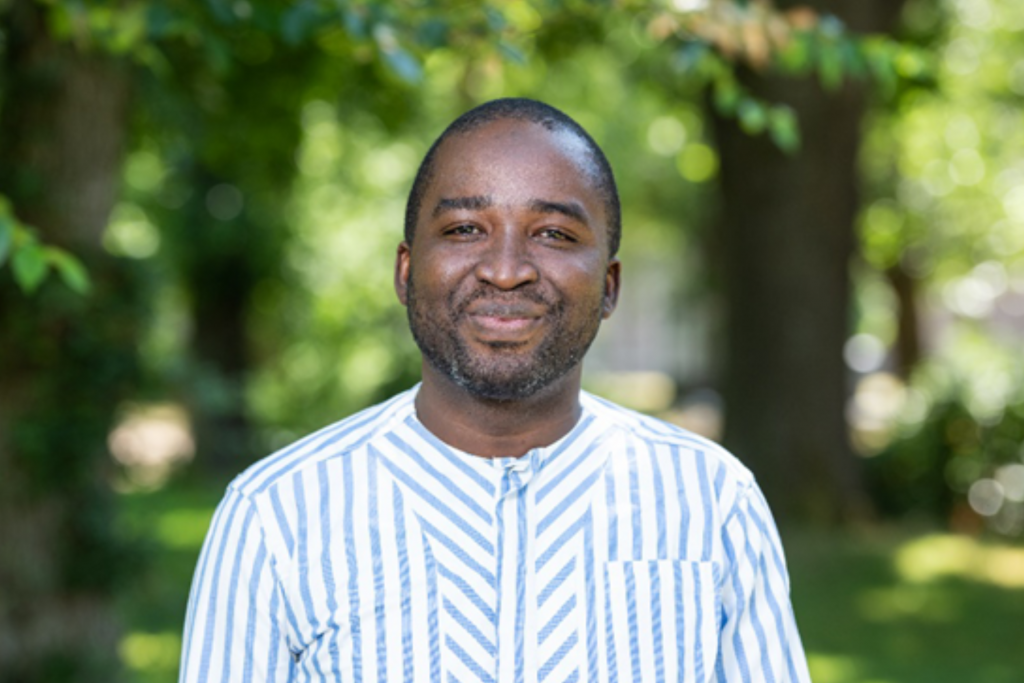
Ikrama Hassan

My name is Ikrama Hassan. I am currently the Chief Medical Director of the state specialist hospital – Dalhatu Araf Specialist Hospital – the largest hospital in Nasarawa State, in north central Nigeria. I am a public health physician with experience in health planning, policy and management.

What made you decide to apply to the International Program in Public Health Leadership?

I learned about the program through a colleague and alum of the program who encouraged me to apply. At the time, I was the Director of Health Planning, Research and Statistics at the Nasarawa State Ministry of Health. I am a medical doctor by training, and because there is no formalized leadership and policy training in the medical curriculum, a lot of learning typically happens on the job. Applying for the program turned out to be one of the best decisions I have ever taken.

Looking back at your time as a fellow, do you have any memorable experiences that stand out to you? How does the program inform and contribute to your approach to work and life today?

The composition of the cohort is a special part of this program. Prior to coming to the Evans School, my professional network was limited to within Nigeria and a few individuals in the U.S. and UK. On our first IPPHL class, I found myself in a virtual room with different people from across different African countries. We got to know each other virtually, so when we met in person in Seattle, it was like we knew each other already. By the end of the program, we were all looking forward to meeting again in person during the Capstone, and after that the bond and friendship has continued up till today. In fact, the last time I was in South Africa, one of my cohort members traveled from her home in Pretoria to Johannesburg to welcome me to the country. Whenever I have any issues that I want a second opinion on, I just need to pick up my phone and make a call, and I have friends from across Africa that can help.

I became the Chief Medical Director of the State Hospital during my time in the program. It was a new role for me, and I needed to hit the ground running. The executive coaching component became even more important for me as I entered my new position. Working with my coach, I was able to reorient and start asking the right questions: How do you start? How do you compose your team? How do you begin identifying and mapping stakeholders? Stakeholder engagement is a skill that has served me well, especially when dealing with the labor unions.

I apply the concept of the theory of change daily in my work. It enables me to have a helicopter view of a project. Another part of the program that I have internalized and deploy frequently in my work today is the pitch event, where we practiced compressing our policy papers into a 5-minute delivery. In my role, I meet frequently with the governor, deputy governor, and other political leaders. It’s an extremely valuable skill to be able to condense your thoughts and get to the point in a brief period of time.

What inspired you to pursue a career in public health?

Initially, I wanted to be either a cardiac or neurosurgeon, but after medical school, my father asked me to come back home to work for a while. During this time, I saw the real problems that people in my community were facing. What we most needed was not the high-tech medicine. We needed skills in the prevention and control of epidemic-prone diseases such as Lassa Fever, meningitis, and cholera. We needed basic things in our primary healthcare system. Out of pocket expenditures stood between our poor population and the healthcare system. So, I realized I would be more useful in the public health space than in a consulting room. I wanted to think up and provide solutions at the community and population level than at individual level. I became much more driven by the idea of preventing the diseases from happening, rather than waiting in the consulting room for someone to come in who was already sick. It was not easy making that shift to public health, but I have been happy with it ever since.

Can you share a little bit about the work that you’re doing right now, and what you’re most excited about?

There are so many areas. I’ll highlight a few. One of the major challenges in our healthcare system is the ability for individuals to pay for services. At the hospital, equity in service provision is extremely important. We believe people should be able to access services regardless of their socio-economic background and receive top notch care at an affordable price. While costs are nowhere near what they are in the U.S., we still have a very large population unable to afford services. In my previous role, as Director of Health Planning, Research, and Statistics. I was part of the team that established a social health insurance scheme for the state. Currently 100,000 people have been enrolled in the plan. This is something that I am proud of and continues to have an immense impact.

Recently, I’ve also been really focused on building our hospital’s capacity to conduct research. I’ve set up a team that is encouraging and supporting all our health care workers to participate in research, and I am happy to say that, so far, we have published nearly 20 papers in peer reviewed journals.

One of the major challenges that we’re dealing with in Nigeria is an exodus of skilled health care workers out of Nigeria and Africa to other parts of the world. I’m currently giving a lot of attention to training healthcare workers in our hospital at both post-graduate and undergraduate levels. I’m excited about progress that we’re making, and these are the future of healthcare delivery system in the country.

The Evan School’s values are equity, courage, and service. In what ways are these values part of the work that you have done, and that you continue doing?

Let me start with the courage part of the question. You see, right now, the world at large is going through severe economic difficulties. Many healthcare workers in Nigeria who can find work elsewhere are leaving in droves. For those who have stayed, it requires a lot of courage. My work every day is guided by service and equity. How can we provide services to these millions of people that otherwise could not afford it? And, if all of us leave, who will provide those services?

How do you think about global engagement in your line of work?

So far it has been a one-way traffic from the wealthy donors to us the poor recipients. Although the intention is good, there have been unintended consequences. On the part of the donors, there is the tendency to dictate the tune as well as donor fatigue. On the part of the recipients, the relationship breeds dependence and poor bargaining capacity.

In all, the most important underlying factor in the power asymmetry is the level of economic development. What we need therefore in Africa is no longer the conventional aid but one that will spur economic development on the continent. A country that successfully transits from poor to middle income category no longer needs handouts as aid. That country is more useful to the rest of the world than a poor one dependent on aid.

There is an ongoing debate on how best the global community can help Africa stand on its own. The trend for the last two decades has been an investment on its infrastructure. This is intended to spur manufacturing and an export-led economy a la the Asian Tigers. Critics of this model have pointed to the poor tangible success that have been recorded so far and are drawing attention to the model employed by Latin America where, based on areas of comparative advantage, they invested in agriculture. This paid off and saw the transition of many countries to middle income category.

We need a logical conclusion of this debate and the implementation of the most economically viable option for Africa. An economically strong Africa will be able to finance its public health needs and be a productive partner in the international arena.

Community Colleges and Policy: Elizabeth Meza, Research Scientist

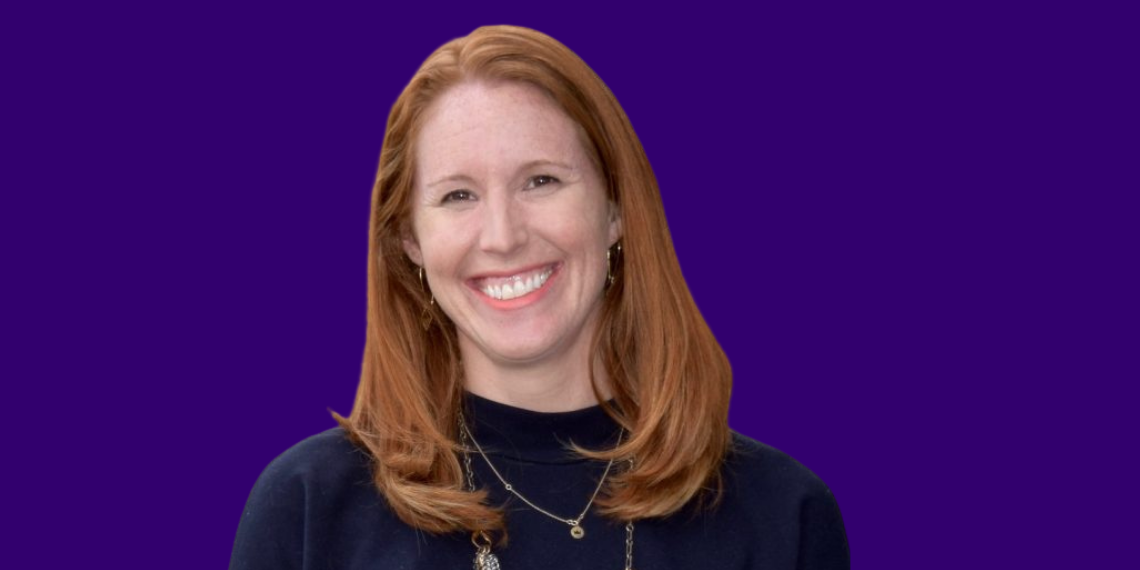
Elizabeth Meza

Elizabeth Meza joined the Evans School as a Senior Research Scientist with expertise in workforce development, career and technical education, and community colleges. She earned her Ph.D. in Higher Education from the University of Washington in 2015 and is founder of Apple Meza Education Consulting. Prior to joining Evans, Elizabeth held several research positions focused on higher education both on the UW campus and at several local community colleges.

Currently, Elizabeth is working on several grant funded projects including one that researches student outcomes in Community College Bachelor’s degrees with New America and an NSF funded project with Evans faculty Grant Blume looking at data use by community college faculty. Elizabeth also has a new NSF-funded research Hub entitled, Community College S-STEM Network (CCSN).

The Evans School took a few minutes to chat about her growing research program and connections to our community.

Welcome! Before moving to talk about specific projects – tell us how you developed a passion for higher education policy research.

Thank you for giving me the opportunity to share! I became interested in education as a Peace Corps volunteer in Bolivia. I got very close with my neighbor who was about 10-years-old at the time. He was one of six siblings and to help the family he would come cook dinner with me almost every night and we would send the dish back to his house. He taught me a lot and we started an extended conversation about how he could get out of the extreme poverty he was facing. Together, we came to the conclusion that getting a good education was his best path forward. When I returned to the U.S. this idea stuck with me and I started working at community colleges. I absolutely love community college students and their stories and worked for many years directly with students as an administrator and faculty member teaching Sociology. My research now focuses as much as possible on practical projects that can directly impact students.

What do you see as the most significant opportunities and challenges facing community colleges in the Puget Sound region today?

That’s a great question! With the pandemic the most immediate challenge has been around enrollment although there does seem to be an enrollment pick up now and we’ll have to watch how minoritized and other non-traditional students are returning. One big opportunity I see is with community college bachelor’s degree programs (CCB’s). Our region faces an Opportunity Mirage where we should be seeing lots of opportunities to get bachelor’s degrees in high demand areas like healthcare and IT but in reality, those programs at our university and regional public universities are capacity constrained or students may not be able to access them for a number of other reasons. This leaves community college students and returning students in a bind. They often can’t find the programs they want or they turn to for-profit entities. The opportunity to offer bachelor’s degrees has the potential to be a game changer for institutions and students.

Your work exemplifies how scholars can use a range of research methods to explore pressing policy questions of the day. What has drawn you to mixed methods research?

Many of the questions I am looking at are under researched so there is both a “what is happening?” and a “why is this happening?” component. I like to use quantitative and qualitative methods to answer as much as possible.

Reflecting on our work to date, share with us two or three key insights into higher education that have emerged from your research program?

I am now a nationally recognized expert on community college bachelor’s degree outcomes and when I started researching this topic no one really knew much about who takes up CCB degrees, why they do so, or what their outcomes are. My research (along with my excellent colleague and mentor Dr. Debra Bragg and others) has led to us discovering that CCB students look like other students at the community college in terms of demographics but are older, more likely to have dependents, and more likely to be veterans than community college transfer students. So, this is really a different population of students that are entering CCB programs and thus, these programs are extending educational opportunities. We’ve also found that CCB students have similar employment outcomes to students who attend a regional public university in a similar degree program.

Tell us about your new NSF-funded project.

That is going to be a great project and I’m excited to share it with you. I’m a Co-PI working with PI Michelle Van Noy from Rutgers, and others from the University of Southern Florida, the Foundation for California Community Colleges as well as colleagues from community colleges including Everett Community College. Essentially, the National Science Foundation has a large grant program called S-STEM where they provide funding to STEM students directly for scholarships, and also funding for colleges to enhance STEM completion through efforts like mentoring, tutoring, or specialized advising among many others. We have won a “Research Hub” to bring together what is known about community college student decision making processes in STEM. I’ll be leading an effort to do a systematic review about what is known about S-STEM in community colleges. The Hub as a whole has lots of components including building a nation-wide learning community so it will be a great opportunity for Evans scholars to become more involved with the community college world.

We are excited to have your voice and work contributing to our community – thanks for meeting up to talk!

Thanks so much! I’d love to share more and learn more about how my work might overlap with others at Evans! I joined just as the pandemic was getting started and work mostly remotely from my home on the Eastside so I don’t know as many people at Evans as I would like, please reach out if you’d like to talk.

Working to End Homelessness: Matt Fowle, MPA, ’17, Ph.D., ’22

Matthew Fowle

Matt Fowle finished his Ph.D. at the Evans School in August 2022, where his work focused on homelessness and housing precarity. The Evans School caught up with Matt this fall to talk about his research program.

Your dissertation project centers on the racialization of homelessness in America. Why this is such an important lens through which to view housing precarity today?

About 1 in 5 Black households will be unhoused in their lifetime, yet we treat homelessness as if it were a rare experience for most Americans and seldom study the causes of racial disparities in homelessness. In a recently published article from my dissertation, I document the extensive history of homelessness among Black, Latinx, and Native American communities. I find that mass displacement has been publicly sanctioned in the US for centuries to segregate, exclude, and impoverish people of color. The persistence of racialized homelessness requires greater attention to the racist institutions and policies that reproduce homelessness rather than the individual conditions faced by people experiencing homelessness. For example, our primary approach to homelessness focuses on individual-level treatments that assume the causes of homelessness are a set of pathologies (e.g., drug addiction or mental illness). Instead, we must focus on structural interventions that situate homelessness in a broader system of racialized socioeconomic inequality, account for historic harms, and address longstanding systems that perpetuate racial stratification.

Eviction moratoria were put in place during the COVID-19 pandemic to protect vulnerable households from losing their homes. You explored the impact of Washington’s eviction moratoria – what did you find?

Our study of the experiences of low-income renters in Washington state found that landlords who were unable to use the housing courts to formally evict a tenant due to the moratorium turned to informal, and often illegal, evictions to remove tenants. These informal evictions sometimes involved landlords shutting off utilities, changing locks to front doors, and removing tenant possessions without permission. During our interviews with low-income tenants, one family’s apartment had a leaking roof that led to black mold spreading throughout her children’s bedroom. Their landlord refused to fix the roof because they owed rent. Using survey and administrative data, we estimated that the prevalence of forced mobility among low-income tenants nearly doubled from 6.5% in the year before the pandemic to 11.0% in the first year of the pandemic. Despite lower chances of formal eviction during the pandemic, low-income tenants faced a 179% increase in the odds of experiencing an informal eviction tactic compared to the year prior to the start of the pandemic.

One of the major contributions of your dissertation project is to draw attention to rising homeless deaths. You created a website that reports local homeless mortality figures from places around the country. How did this incredibly important part of your project emerge?

During my first year at UW, I witnessed an unhoused person die on a sidewalk. I felt compelled to help in some way. I found that we have no idea how many people experiencing homelessness die each year across the country. There is no nationwide database that helps us quantify the extent of this problem. In fact, even when these databases exist in major cities, the information is rarely made public. My dissertation and public scholarship shine a light on this hidden problem. I founded Homeless Deaths Count, an organization to collect and publicize data on deaths among unhoused people. As a public policy student, I have learned that it is often through public pressure that things change.

I incorporated the project as part of my dissertation because I wanted to better document trends in homeless mortality over time and understand why homeless deaths were increasing, even when the homeless population was shrinking in some parts of the country. In my research, I find that homeless people overwhelmingly die of preventable causes like heat stroke, hypothermia, alcohol poisoning, overdose, and heart disease at between on average 49 and 53 years of age. I attribute these deaths to what I call “systemic neglect.” These people have been collectively abandoned by systems that provide housing, healthcare, and social support. I shared some of the preliminary results from this work with the Guardian and Jacobin. In future work, I plan to examine excess homeless deaths during the pandemic and identify successful policy responses that reduce homeless mortality.

It is moving to hear how you translated this personal experience into an important tool to improve awareness about homeless deaths. Much of your dissertation work has direct relevance for policy and practice – how do you manage your research program so that it is meaningful to scholars and to policy communities?

I believe in a future where housing is not a privilege but a right that we all deserve. Through my research and collaborations, I am determined to not only end the human devastation resulting from homelessness but to contribute to efforts that seek to end homelessness itself. In addition to publishing in academic journals, I feel a responsibility to engage the public on topics on which I have expertise and to share research findings with policymakers and practitioners who might be able to affect change. I also believe that academics can facilitate change by using their research skills to support communities making a difference. Generally, I think that if the topic you are studying has relevance to people’s health and well-being, it is (or can be made) meaningful to scholars and policy communities.

You are just starting an exciting postdoctoral research position – tell us about it.

I joined the University of Pennsylvania’s School of Design as a Postdoctoral Fellow at the Housing Initiative at Penn. Much of my work focuses on the Housing Choice Voucher program, formerly known as Section 8. There is an incredible amount of administration required to implement these programs across the country, and considerable burdens are placed on low-income renters to successfully use a housing voucher. One area of research involves examining who drops out of the voucher application process from when a household first applies to when they successfully rent a home with their voucher. We’re also trying to identify why low-income households might not want to apply for a housing voucher. Another area of research that I am excited about is an evaluation of a Universal Basic Rent program in Philadelphia. The Philadelphia Housing Development Corporation is distributing rental assistance as cash with no strings attached to households rather than through the traditional housing voucher system. The goal of the program is to understand the impact of cash infusions on household stability and economic well-being.

Evaluting King County Emergency Shelter Program

Apartment Front

The COVID-19 pandemic presented numerous challenges to housing and homeless service providers. Congregate emergency shelters–one of the most common homeless interventions–became high-risk locations for transmission of COVID-19. At the start of the pandemic, King County, Washington shifted more than 700 people from congregate shelters into hotels to reduce the risk of transmission.  

The College of Built Environments and Evans School adjunct faculty Gregg Colburn, Evans faculty Rachel Fyall, and a team of collaborators evaluated the impact of this King County pilot program in real-time. Results from this mixed methods evaluation were published in the highly regarded journal Housing Policy Debate.  Hotels as Noncongregate Emergency Shelters: An Analysis of Investments in Hotels as Emergency Shelter in King County, Washington During the COVID-19 Pandemic, drew on housing service data, state COVID disease reporting, and emergency dispatch calls, as well as interviews with program clients and staff.  

The study found that those who moved to hotels had much lower exposure to positive COVID cases compared to those who remained in congregate settings. Moreover, program clients reported that group hotels offered a more stability and opportunities to engage staff. Consistent with expectations of the housing literature, the presence of designated personal spaces, greater personal security, and predictable delivery of meals were found to enhance the well-being of residents. Group hotels provided safe and stable environments, but did not offer permanent or long-term housing solutions. Lessons from this novel intervention, however, demonstrate the types of changes and improvements that can be made to emergency homelessness responses in order to better serve those experiencing housing precarity. 

Tackling Common Challenge in Administrative Data

Chats and graphs laying on a table

Scholars and policymakers increasingly utilize administrative data from public program systems to understand program trends, implementation, and impact. Often times, however, administrative data resources lack key pieces of information or are not linked in a manner that allows researchers to examine questions about interplay between different types of programs.

For the last several years, a team of scholars at the Evans School and the UW School of Social Work have been building a large linked administrative data set that overcomes some of the common limitations. UW Social Work and Evans adjunct faculty Jennie Romich, along with Evans School faculty Mark Long, Heather Hill, and Scott Allard and doctoral students Callie Freitag and Elizabeth Pelletier, have worked to create the Washington Merged Longitudinal Administrative Data (WMLAD), which can be analyzed help answer a host of questions about employment, safety net program participation, and well-being. WMLAD links data from 2010 to 2017 across a number of Washington State agencies: Employment Security Department (ESD); Department of Social and Health Services (DSHS); Health Care Authority (HCA); Department of Health (DOH); Secretary of State (SOS); Department of Licensing (DOL); Washington State Patrol (WSP).

Another common challenge confronting administrative data involves identifying household spatial location at regular intervals, while protecting the confidentiality and anonymity of households in the data. Not all administrative data contain address information and addresses may not be consistently updated over time.

Recently, WMLAD team members Mark Long, Elizabeth Pelletier, and Jennie Romich developed an analytic strategy to construct regular spatial location information in instances where WMLAD has sporadic information about spatial location. This important technical work was featured in a Population Studies article entitled, “Constructing Monthly Residential Locations of Adults Using Merged State Administrative Data. The authors develop a simple, but powerful, algorithm for predicting monthly residential location when information about location may occur less often in the data. Of particular importance is developing a rigorous way to impute the timing of a residential move for an individual, when long spells exist between two different address entries and it is not clear when the move may have occurred. Not only is this work critical to generating meaningful insights about the interplay of work, social programs, and workplace regulation, but it serves as a model for other scholars to follow in similar administrative data settings.

Public Health Policy for Pandemic Preparedness

Lessons from the Seattle Flu Study

Wolfle Memorial Lecture in Science & Policy 2022

The Dael L. Wolfle Memorial Lecture Series honors distinguished careers and contributions to the field of science and public affairs, and is made possible by the Dael L. Wolfle  Endowment for Excellence in Public Affairs. Established in 1986, its purpose is to bring distinguished scholars and practitioners in science and public policy to campus to share their ideas with the University community.

Early in the pandemic, a team of University of Washington research scientists were the first to identify community transmission of the SARS-CoV-2 (COVID-19) virus in the United States. This critical discovery changed the course of U.S. public health policy responses to the pandemic and was attributable to the team science that led to the creation of the Seattle Flu Study in 2018 — a prototype early detection system created to improve pandemic response to influenza and other pathogens.

Dr. Helen Chu discussed the origins of the Seattle Flu Study and her work with public health departments, policy makers, and community partners to develop strategies for COVID-19 testing, viral variant sequencing, and community spread mapping. Dr. Chu also shared how the Seattle Flu Study developed ways to measure immune response to the virus that aided in the development of COVID-19 vaccines and therapeutics. Much of this work informed public health responses within schools and universities statewide, as well as strategies to address vaccine hesitancy within Seattle’s most vulnerable communities. Reflecting on her work, Dr. Chu mapped a path forward and identified key public health policies that will allow us to be better prepared for the next pandemic.

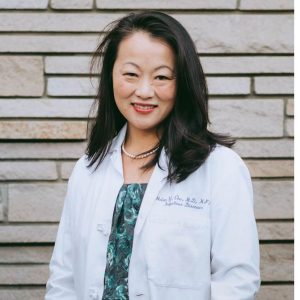
Helen Chu


Dr. Helen Chu

Adjunct Associate Professor, Epidemiology
Associate Professor, Medicine – Allergy and Infectious Dis.
Adjunct Associate Professor, Global Health
University of Washington

Food Assistance Policy: Sarah E. Charnes, Ph.D. ’21

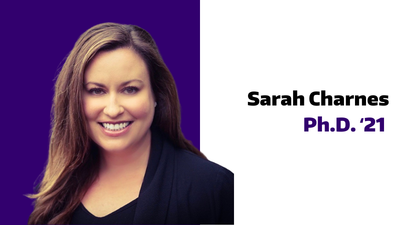
Sarah Charnes

Sarah Charnes finished her Ph.D. at the Evans School in December 2021, where her dissertation research focused on food assistance and food insecurity. The Evans School caught up with Sarah to talk about key findings from her research.

Your dissertation focuses on food assistance policy and food hardship in the U.S. — what drew you to those policy research areas?

Before starting my Ph.D. at the Evans School, from 2006 to 2013, I worked as a macroeconomist in the Office of Economic Policy at the U.S. Department of the Treasury in DC. While there, I worked on a wide variety of topics, including income inequality. When I decided to return to school for a Ph.D., it was with the intention of taking a deeper dive into issues of income inequality. At Evans my work around inequality initially focused on social policy and means-tested public benefits. Over time, I realized that my long-standing interests in food behaviors and my training in holistic health counseling gave me unique insights into the realities of food assistance and food insecurity – timely social policy topics.

Given your work around food assistance policy, what are some of the biggest misconceptions Americans have around food assistance and food hardship?

First, I would say the common belief that food insecurity “isn’t a problem in the United States” and that it’s only a problem in developing countries, which means it’s not a problem worth addressing through public policy solutions. To the contrary, the most recent estimate by the U.S. Department of Agriculture’s Economic Research Service estimates 10.5 percent of U.S. households are food insecure. That translates into 13.8 million households, which is a large number. The national food insecurity rate reached as high as 14.6 percent during the Great Recession. Those estimates are only the tip of the iceberg, which make food insecurity in the U.S. a problem worth investigating and addressing.

There are many other misconceptions around food assistance and food hardship that come to mind. What I have observed over the past several years is that food assistance and food hardship is a space where people often have a hard time getting past their own personal beliefs – especially if they haven’t experienced food insecurity or witnessed it first-hand. For example, if someone becomes convinced that SNAP (the Supplemental Nutrition Assistance Program, the modern-day food stamp program) recipients are prone to commit fraud, it can be very challenging (if not impossible) to change that person’s mind. In reality, fraud is very uncommon.

Another misconception is that there is a one-size-fits-all, or simple, solution to food insecurity. Food insecurity arises out of a wide array of risk factors operating at different tiers. Short of creating a form of universal income for food consisting of an adequate benefit level, it seems likely that there will need to be a continuation of a rather complicated, multi-pronged approach to tackling the problem of food insecurity through public-, nonprofit-, and private-sector efforts. That said, the idea of universal income for food has gotten some traction recently, so it’s possible that a policy window for this could eventually emerge.

As you reflect on the dissertation project, which research findings stand out to you as really important for current debates around food policy?

My dissertation involved three papers that covered a fairly broad range of topics related to food insecurity and food and nutrition assistance policy. The first paper evaluated a program designed to streamline the SNAP application process for recipients of Supplemental Security Income and found evidence suggesting that different modes of implementation for the program were more effective for some subpopulations than others – a point that does not always seem to be the primary focus when interventions are designed to try to improve access to means-tested benefit programs. The second paper tested the extent to which a relatively holistic measure of food access moderates the high degree of association between household disability and food insecurity status. Here, I find that access does not account for much of this relationship (Note: this paper has been accepted for publication in Physiology & Behavior.) The third paper examined acquisitions of free food – food having no price attached to it, such as meals from family or friends – as a function of the amount of time that has passed since a SNAP household received its last benefit payment. In this paper, I find little variability in the acquisition of free food across the SNAP month. This has potential implications for current debates about the behavioral mechanisms driving what is referred to as the “SNAP cycle,” where benefits are typically redeemed in their entirety within the first few days of receipt, rather than being consumed in a smooth fashion across the month as some might expect. I’m excited to dive deeper into the third paper, in particular, as I progress forward with the portions of the dissertation that I have not yet attempted to publish.

Prior to finishing your Ph.D. at Evans, you worked in the Department of Treasury. Given your experiences in both worlds – how can researchers do a better job of presenting and translating their research for policy audiences?

Presenting and translating research to policymakers really comes down to one skill: learning how to say what you want to say within 30 seconds. By “30 seconds,” I truly mean 30 secondsThat is MUCH easier said than done – and a skill that does not always seem to be very highly valued within academia.

I think a great way to practice is to create two or three “highlights” (i.e., brief bullet/talking points) about one’s research – as is asked for by several peer-reviewed academic journals upon submission. Bonus: this encourages clear thinking all around, which is never a bad thing.

What’s up next for you?

Currently – meaning, from January through June 2022 – I’ll be an instructor in the Evans School’s MPA program. Specifically, I’m teaching both of the quantitative analysis courses in the first-year core course sequence, with which I was heavily involved during my Ph.D. (as both a pre-doctoral lecturer and a teaching assistant). I’m really happy to be working with this year’s first-year cohort. I’m also currently on the job market for longer-term employment. Please cross your fingers for me!

Fingers crossed! It sounds like there are lots of good things in the future.

New Evidence from the Seattle Minimum Wage Study

In 2014, Seattle passed a minimum wage law that raised the city’s minimum wage from the state’s minimum wage of $9.47 to $15, phased-in over several years. Mayor Murray and his Income Inequality Advisory Committee developed the minimum wage law as a strategy to lower income inequality. Evans School faculty Mark C. Long examines earnings inequality in the city over the first three years of the law in an article, “Seattle’s Local Minimum Wage and Earnings Inequality” published in Economic Inquiry. Long analyzes Washington state administrative data to assess whether Seattle’s minimum wage ordinance led to a reduction in earning inequality among the city’s workers from 2014 to 2017, a period when the local minimum phased in to $13 an hour.

Findings show that inequality among workers who earned less than the city’s median hourly wage ($26.42) was reduced modestly as workers in the lowest wage jobs saw large increases in hourly wages. There is no evidence to suggest, however, that Seattle’s minimum wage lowered the overall level of earnings inequality across all workers in the city, which substantially widened during this period. Further, Long notes that “the results in this report pertain to earnings inequality of those employed and thus do not include any additional increase in inequality produced by a reduction in the number of employed low-skilled workers.”

Findings from Long’s study are consistent with another article recently published by Evans School and University of Washington scholars entitled, “Minimum Wage Increases and Low-Wage Employment: Evidence from Seattle,” in the American Economic Journal: Economic Policy. In this paper, the study team examines the labor market effects of the Seattle Minimum Wage Ordinance when the citywide minimum was set to $13 an hour in 2017. Findings indicates that those earning less than $19 an hour saw wages rise by 3.4% once the city’s minimum wage was $13, while experiencing a 7.0% decrease in hours worked.

Low-wage workers employed before the policy took effect saw their wages rise more than their hours fell, yielding a net increase of around $12 per week. This increase in pay was larger for low-wage workers with more prior labor market experience. The team found evidence of a decline in the rate of hiring of low-wage workers who were not previously employed in the state of Washington as the minimum wage in the city reached $13 an hour.

Publications

Mark C. Long, “Seattle’s Local Minimum Wage and Earnings Inequality” in Economic Inquiry

Ekaterina Jardim, Mark C. Long, Robert Plotnick, Emma van Inwegen, Jacob Vigdor, and Hilary Wething, “Minimum Wage Increases and Low-Wage Employment: Evidence from Seattle” in American Economic Journal: Economic Policy