Skip to content

Dean’s Forum: Moving Racism Front & Center in Child Welfare

Dean's Forum Logo

On November 19, 2021, the Evans School hosted a conversation about anti-racism in child welfare policy in partnership with the UW School of Social Work.

The child welfare system and policy arena has historically and today continues to demonstrate persistent disproportional racial representation and racial disparities in desired outcomes, such as reunification and adoption. The discussion focused on the historical legacy of racism within the child welfare system and policy realm, and considered initiatives that both de-center children’s removal from their homes and support family-strengthening activities in explicitly anti-racist ways.

Speakers

Angelique Day

Angelique Day
Associate Professor
University of Washington
School of Social Work

John Edmonds

John Edmonds
Supervisor
Olmsted County Community Services

Alan Detlaff

Alan Detlaff
Dean
University of Houston
Graduate College of Social Work

Tess Evans-Campbell

Tessa Evans-Campbell
Associate Dean for Academic Affairs
University of Washington
School of Social Work

Dean Jodi Sandfort

Jodi Sandfort
Dean
University of Washington
Evans School of Public Policy & Governance

Event Recording

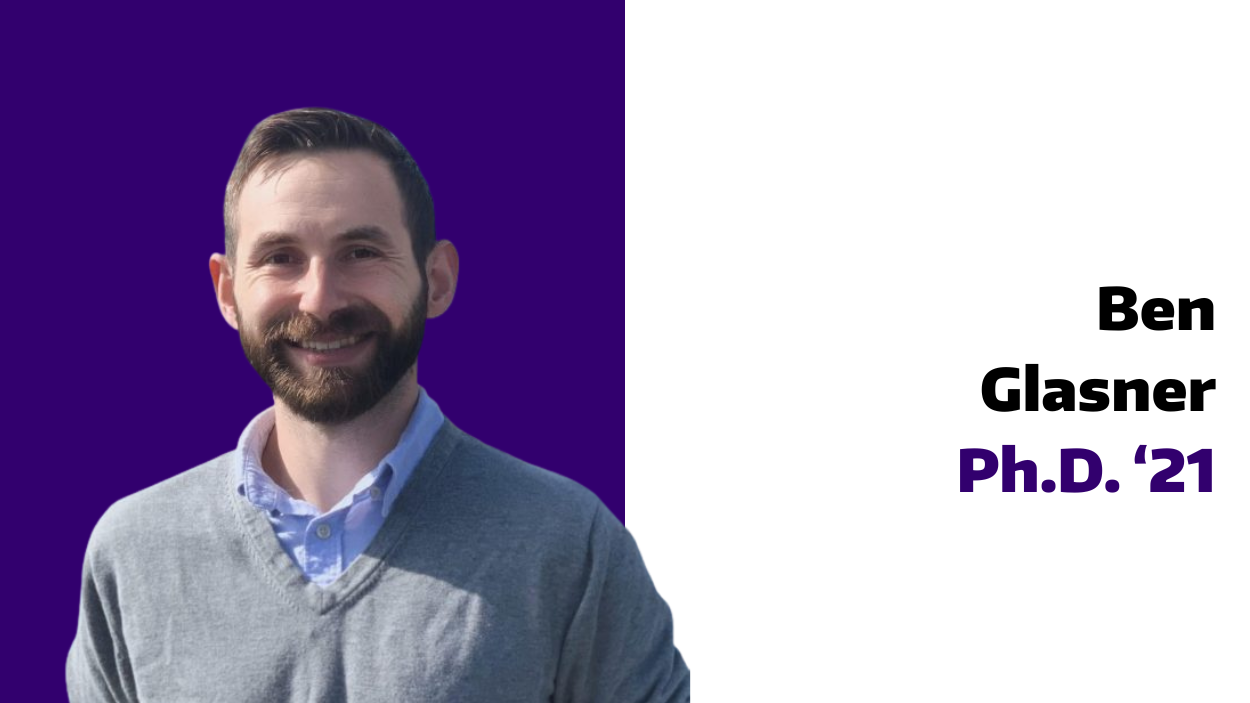
Self-employment and the Gig Economy: Ben Glasner, Ph.D. ’21

Ben Glasner

Ben Glasner completed his Ph.D. ’21 at the Evans School with expertise in labor market policy and the gig economy. He took some time from his work as a postdoctoral research scientist at Columbia University recently to chat about his dissertation work.

Your dissertation research focused on self-employment and the gig economy – explain why this is such a critical portion of the labor market for scholars and policymakers alike?

Self-employment work arrangements, and specifically work within the gig economy, are becoming increasingly commonplace. Yet, these types of work arrangements often are excluded from labor policy or regulations intended to protect and support workers. As a result, policy tools like the minimum wage are not designed for the self-employed. Workers who are operating simultaneously under multiple firms at a single point in time (e.g., driving for Uber and Lyft simultaneously), or whose hours are prohibitively difficult to track don’t receive the same coverage as a traditional hourly payroll employee who punches a time clock.

Such exclusions are nothing new. When the minimum wage was first introduced through the Fair Labor Standards Act, a number of jobs were not covered and those exclusions meant a significant share of black and female workers were not covered by the first minimum wage laws. Such exclusions remained in place well into the 1960s and were key parts of the civil rights movement.

Today, the remnants of past exclusions persist. We have ended up with a patchwork system of supporting workers. From health care to minimum standards of living, where a person works and how that work is done has important consequences to what protections or benefits they receive. I think the gig economy is really the front line of the debate over social support and the division between efficient labor markets and fair labor markets.

How does your dissertation research extend our understanding of the impact of minimum wage laws?

My dissertation project fills key gaps in the minimum wage literature. One key gap I explored was whether higher minimum wages changed the demand for workers or jobs exempted from minimum wage laws. When minimum wages increase, I find evidence of an increase in participation in the uncovered labor market, but it is driven by urban areas with access to the online gig economy. Another part of my dissertation project examines the question of minimum wage effects on multiple jobholding. The puzzle here is that if minimum wages theoretically could both increase and lower multiple jobholding. My work, however, I found that minimum wages had no significant impact on multiple jobholding in aggregate.

What are the key policy research questions we should be asking to better understand the experiences of workers holding multiple jobs?

Today, I’d say there are two key features about multiple jobholding to explore. One, hours and schedules can be difficult to coordinate between employers, which leads to unstable scheduling. Two, because individuals are more commonly combining earnings from payroll positions with self-employment, some workers may use on-demand “employment” through the gig economy to help fill the gaps of an instable schedule. We don’t know a lot about how workers make decisions about holding multiple jobs or balancing hours across jobs. This is particularly important when we consider the different experience of multiple jobholders with high earnings and those with multiple jobs who still struggle to keep their heads above water.

When you talk to state and local policymakers about raising the minimum wage, what advice or guidance would you give them?

Primarily, I’d encourage policymakers to consider the differences between federal, state, and local minimum wage rates in a given setting. I believe minimum wage increases are a positive tool for improving work outcomes, but they are not the solution to all issues of job quality or underemployment. In fact, minimum wage laws can be rather limited tools because they miss workers who are working in the uncovered or the informal labor market. This often means the most vulnerable workers will not be reached by these policies.

Tell us about what you’ve been up to since finishing your dissertation work.

I have just started a new position as a Postdoctoral Research Scientist with the Center on Poverty and Social Policy at Columbia University. While there I’ll be conducting analyses of the effects of major social policies and reforms on the poverty rate and other indicators of well-being. These analyses will include long-term studies of the intergenerational transmission of poverty, but also studies of contemporary policies and their effects. All the work will be under the great team headed by Irwin Garfinkel, Jane Waldfogel, and Christopher Wimer.

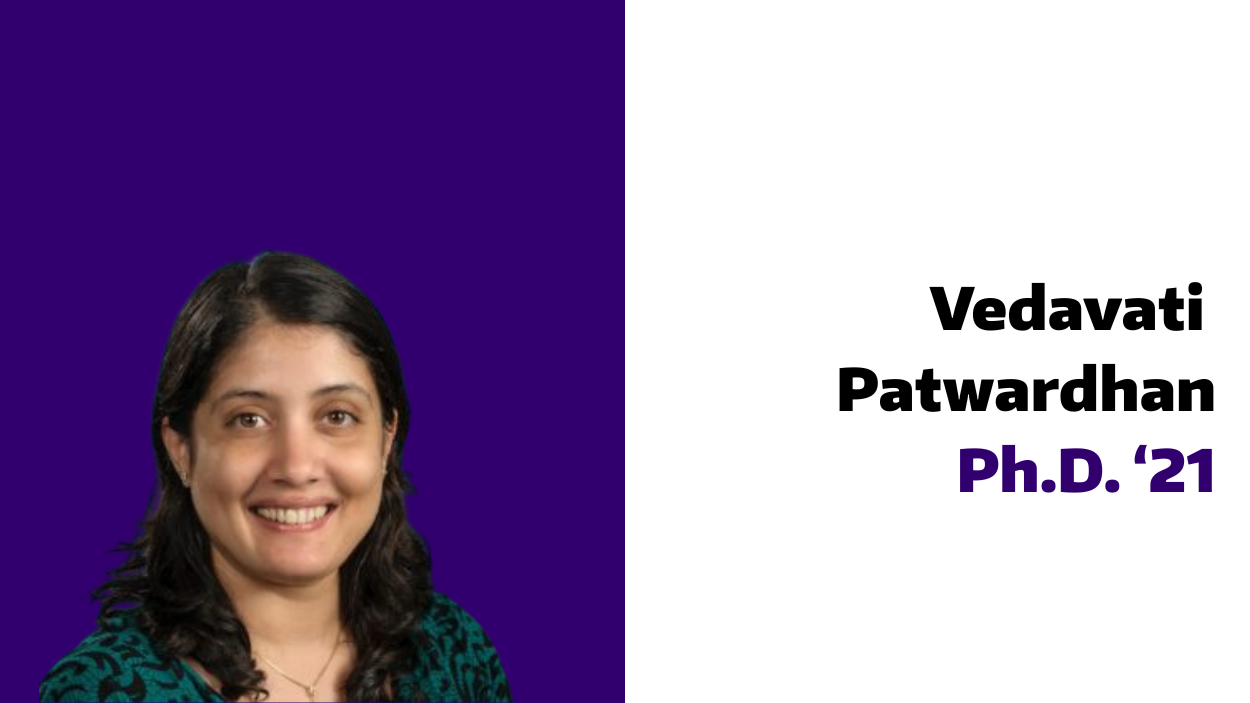
Household Economics and Gender: Veda Patwardhan, Ph.D. ’21

Vedavati Patwardhan

Veda Patwardhan recently finished her Ph.D. (’21) at the Evans School with expertise in household economics and gender. We caught up with her during a break in her day at the Institute for HealthMetrics and Evaluation (IHME) to talk about her dissertation project.

Your dissertation research focuses on how policy interventions and contextual factors shape the roles of women within households in India and Malawi. How did this project emerge over the course of your training at the Evans School?

As a Research Assistant for the Evans Policy Analysis and Research group (EPAR) during my first year as a doctoral student at Evans, I worked on a project conceptualizing the pathways through which empowering female farmers in low and middle-income countries may yield economic benefits. Thinking about the theory behind why gender differences AND inequalities have real consequences for individuals and families piqued a long-term research interest in this area. As that work progressed, I knew I wanted to focus on the intersection of public policy and gender inequality.

I also was motivated by the fact that women’s economic empowerment is an important policy objective internationally. Multi-lateral organizations, foundations, and several governments worldwide are making substantial commitments to gender equality and women’s economic empowerment. Many low and middle-income countries have implemented female-centric social protection and financial inclusion programs. For example, cash transfer schemes, self-help groups, microcredit, bank account provision and public works programs often explicitly target female beneficiaries.

Early in your dissertation, you powerfully note that “control over income is a crucial aspect of women’s economic empowerment.” What were some of the most important insights you discovered about factors shaping how women have control over household income and what having that power means for them and their families?

There are many important findings in my work. One that stands out relates to how the source of household income matters for women’ control over income (WCI). My work in Malawi finds that women have higher sole decision-making for income from public transfer sources like cash and food transfers, as well as remittances, compared with salaries, wages, and farm income. This is very interesting, as research on women’s economic empowerment hasn’t so far considered how the source of household income can really matter for who controls it! My findings in Malawi show women have higher control over transfers than other income sources, even when men are present in the household, suggesting that targeting transfers to women may yield benefits. This also helps unpack why maternal cash transfers like the Mamata Scheme in India (which I examine in another one of my dissertation chapters) have positive effects on children’s health.

This project analyzes data from two quite different settings. How might insights from your dissertation work shape your approach to comparative policy research in the future?

This is a great question. I think that conducting comparative policy research is important for the international development field, as generalizing across regions is difficult and may not always be desirable or accurate. The underlying theme of my work in India and Malawi is similar, but in India, I analyze the effect of a maternal cash transfer program on child outcomes, while my work in Malawi looks at the household and contextual drivers of women’s control over income. Over the course of my dissertation writing, I also realized that analyzing different types of research questions in these two geographies helped solidify my understanding of the existing literature, theoretical perspectives, and research gaps on women’s control over income. I look forward to conducting cross-country analyses in my future research.

What would you say are the biggest takeaways from your work for policymakers and nongovernmental organizations working to empower women in different contexts around the globe?

Policy design is incredibly important. For instance, while examining the impact of a maternal cash transfer scheme in India on child nutrition, I find that children in the poorest households benefit significantly less than those in wealthier households. This suggests that marginalized populations may face obstacles to participation and suggests changes in policy design. For example, policymakers may wish to modify eligibility criteria, or behavioral requirements — such as receiving prenatal care – that could hinder access for marginalized groups.

Paying attention to what drives women’s empowerment is important as well. In Malawi, I find that women’s decision-making over farm income increases following drought. However, this may not reflect an improvement in women’s well-being, if women have a higher workload on the farm and at home. Female farmers tend to have less access to information on climate change and climate-smart-agricultural practices, leading to lower adoption rates compared to men. So, we need policy to recognize the role climatic factors play in women’s farm decision-making. Interventions to improve women’s land tenure security, access to agricultural inputs, and safety nets like cash transfers can play an important role here.

Tell us a little about what’s next for you.

I am excited to start a Postdoctoral Scholar position with the Institute for Health Metrics and Evaluation (IHME), which is a global health research center based at the University of Washington. My work will focus on examining gender inequalities in health.

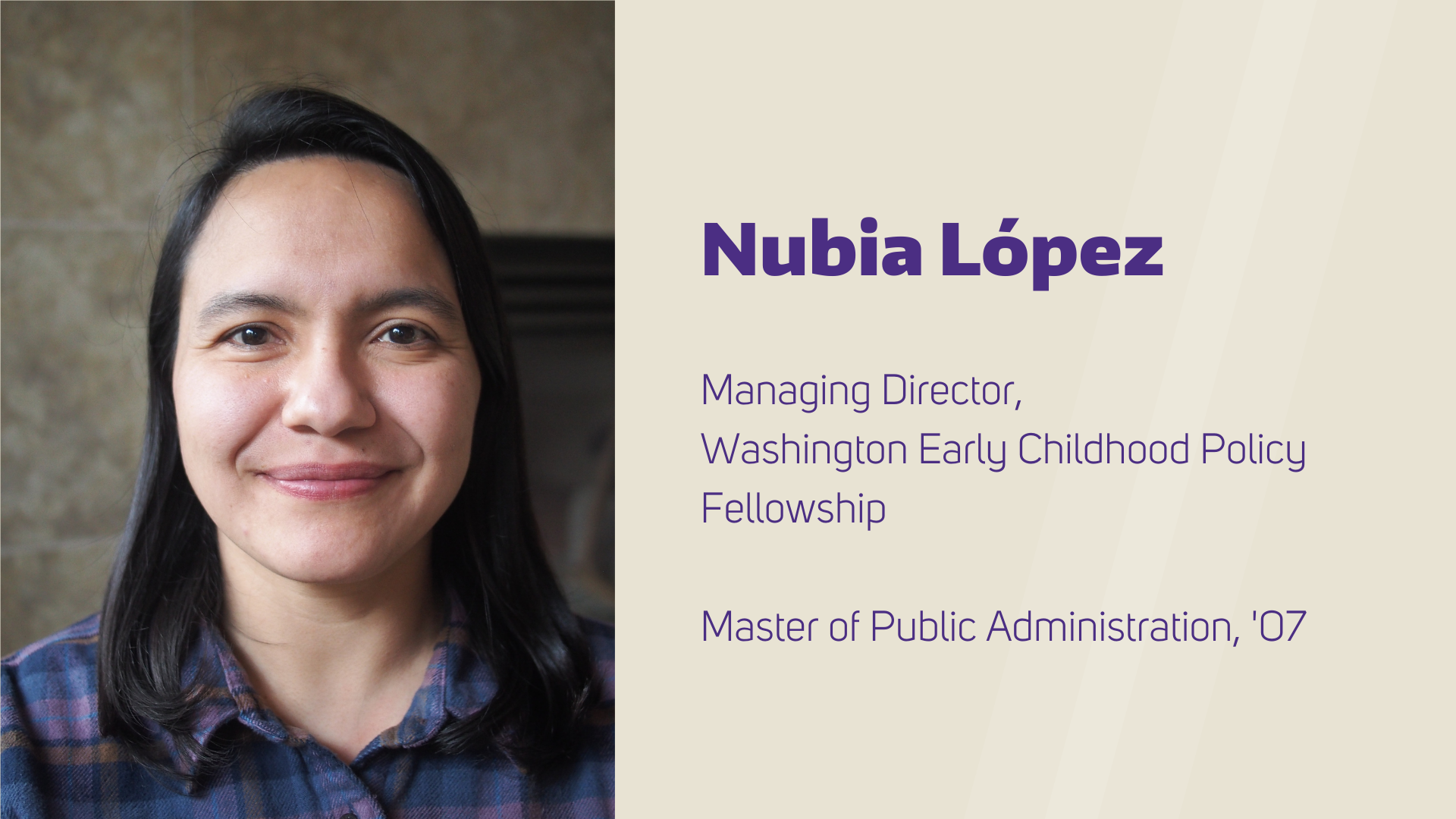
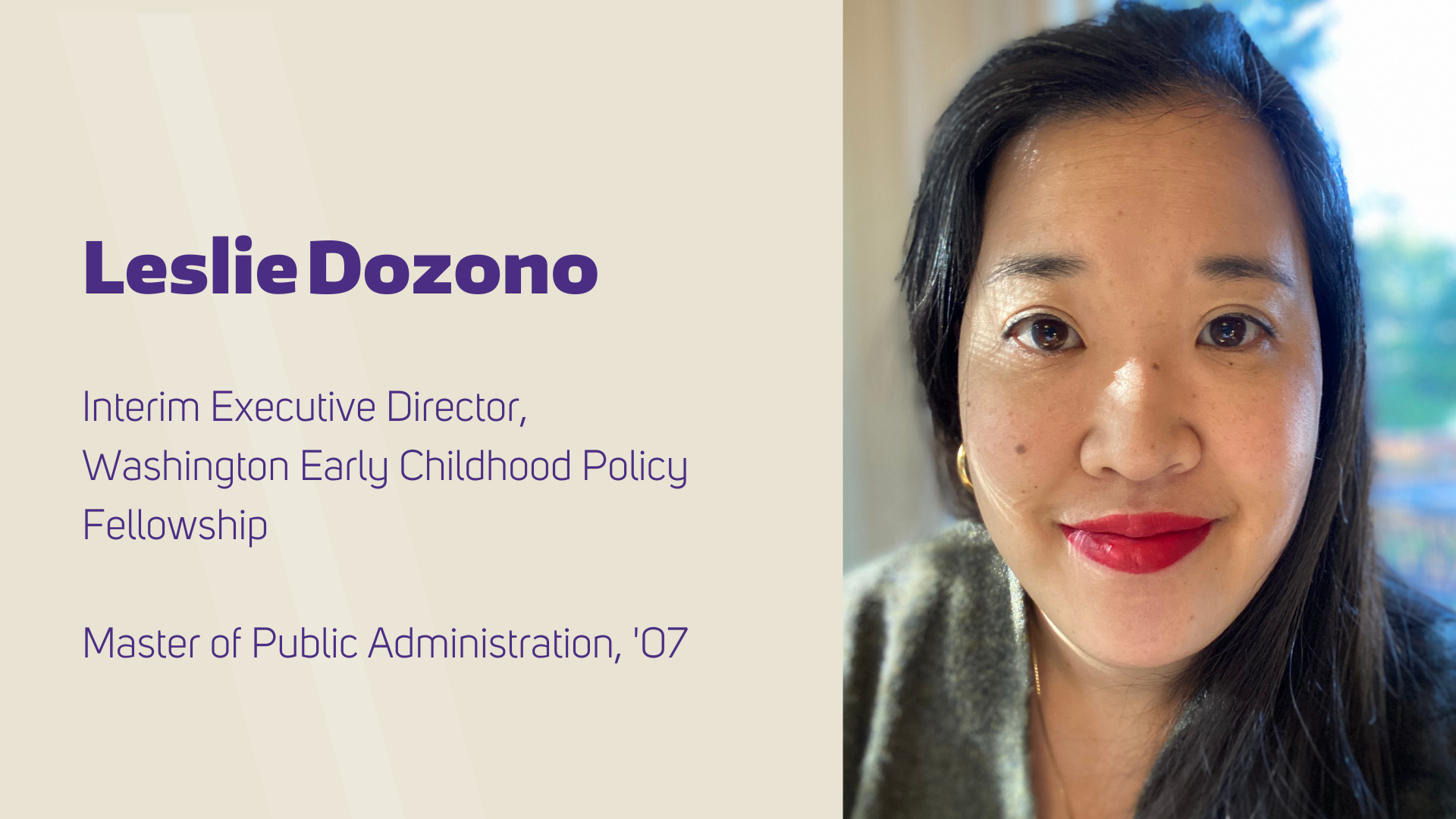
An Equitable Future, Nubia Lopez, MPA ’07 and Leslie Dozon, MPA ’07

Nubia Lopez
Leslie Dozono

Driven by a passion for growing the number of BIPOC leaders in early childhood education and advancing anti-racism policy and practice, Evans School alumni Leslie Dozono, MPA ’07, and Nubia Lopez, MPA ’07, are working for a more just and equitable future in early childhood education leadership. We asked them about their work with the Washington Childhood Policy Fellowship and how their Evans School experience shaped where they are today.

What contributed to your decision to pursue a career in support of the public good? Was there a defining moment in particular?

Nubia: As an undergraduate I majored in political science, and I worked closely with a professor who taught courses that opened my eyes to the politics and systems that I hadn’t really considered until then. Initially I was extremely interested in international politics, but then started working in a kindergarten classroom as a paraeducator. Through this job and my formal education, I started seeing the world through a different lens, one where I understood that our social systems are designed and intentional, and that happens through policy. When I came to the Evans School I chose to focus on social and education policy. I wanted to be more than just critical of our social systems and structures, I wanted to dedicate my career towards creating more equitable systems and structures—systems that work for everyone, not just those with privilege and access.

Leslie: I’ve always worked with kids and education so nonprofit/public work has been a natural path for my professional life. I was an English major in undergraduate and afterwards I worked at a nonprofit that had a focus on literacy. I think a significant professional turning point for me was the shift from direct service to policy. When I moved to Seattle, I was lucky to work with an amazing team of people at Atlantic Street Center where we offered youth development, counseling and case management, and family services. My experiences at our Summer Academy program, particularly with kindergartners, served as a catalyst for my commitment to early childhood as a field and my realization that I wanted to move from direct service to policy. There were so many things happening for the children and families we served—ongoing challenges for their overall success – that were systemic and much larger than what I could see on the ground. Looking upstream both in terms of age and in terms of policy made a lot of sense to me when I thought about the impact I wanted to have.

Can you share a bit about the work you are currently doing and what a typical day in your work looks like?

We’re working to establish a new nonprofit in Washington state, the Washington Early Childhood Policy Fellowship. The focus is on two things: Increasing the number of Black, Indigenous, and other People of Color (BIPOC) leaders in early childhood policy in Washington state and advancing anti-racism policy and practice in the larger early childhood policy system. We recognize that cultivating and supporting individual BIPOC leadership is important for progress in addressing persistent disparate racialized outcomes for young children, but at the same time, the broader field needs to be aligned and committed to understanding and centering anti-racism in policy to achieve transformational change.

We’re very much in the start-up phase of building an organization, which means we have a lot to think about! Our focus is split between leadership/governance, program design, and fund development. We are currently fiscally sponsored through the Southeast Seattle Education Coalition (SESEC), and we’ve been establishing our Founding Board and the internal structural components required to establish as an independent 501(c)3. That means developing our mission, bylaws, our Board structure, and relationships, all the while thinking about our long-term governing board and readying to launch a search for our inaugural Executive Director. Concurrently, we’re working on building the programmatic components of a placement-based Fellowship that combines employment with significant professional development and mentorship. Relationship-intensive work takes significant resources, so we are also deep in fund development, making sure we have the investments we need to launch and sustain this work.

You have both been champions of Diversity, Equity, and Inclusion throughout your careers. Can you share why this has been so central to you and the work you continue doing?

Nubia: This work is personal for me. It is about my own lived experience and background. My family immigrated to the US from Mexico when I was 3 years old, and my parents didn’t speak English and I didn’t learn English until I started elementary school. We were a low-income family, relying on social services. I saw my parents constantly struggle to make ends meet, even though both of my parents worked multiple jobs. It took me some time to realize that struggles were not personal failings of my family or my community, but predictable outcomes based on our lack of access to resources and opportunities—this is central to equity work. For me, equity is about providing access and resources so that everyone can thrive

Going from my personal experience to our work with the Fellowship, our work is about having diverse voices at the decision-making tables. How can we ensure that BIPOC leaders who have these lived experiences are provided with opportunities to influence decisions that impact young children and families? And, beyond that, how can we support and build their capacity to have an impact on early childhood policies and systems? I truly believe these perspectives are critical to creating early childhood policies to support those who are most impacted and have been traditionally excluded from participating in the decision-making process.

Leslie: My parents are both immigrants and my dad talked a lot with my sisters and I about his experiences with racism and exclusion. Growing up in a largely white community in Oregon, the experience of feeling othered is something I carried through much of my childhood. And I think as a Japanese American, it is impossible to separate out the personal and the societal when you think about the collective trauma of internment and the resulting emphasis on assimilation and what that has meant for language and culture – for our parents’ generation’s focus on achieving a particular kind of mainstream success. I think about the difference between feeling shame and pride as a child about my heritage and what it means to create systems that honor the cultures and strengths of our communities.

On a larger scale, I don’t think you can successfully work for the public good without racial equity and anti-racism as core tenets. When we look at outcomes for children, for families, for individuals, and for our workforce and in our economy, there are glaring racial inequities.

One of the beliefs we carry in our work with the Fellowship is that communities who are most impacted by educational injustices must be represented in positions of power within policy development processes and decision-making to identify and address complex, structural inequities that are detrimental to all. Beyond the moral obligations we have in our society around fairness and justice, which I think were ingrained in me from an early age, it’s also practical. We cannot achieve shared prosperity and a thriving society without racial equity and anti-racism work. The opportunity gap in early childhood has huge implications for children in school and life and it also has implications for our public systems. Greater costs in special education and other supportive services, greater costs to the criminal legal system, and down the road, a less qualified workforce. And it’s more than just education systems. Supporting families in early childhood – a time with woefully inadequate public policy and investment in families – can also mean a reduction in child welfare services, greater prevention in health and mental health services, all of which reduce both human and economic cost. Centering the families most impacted is essential for identifying and implementing solutions and for our shared success.

If there was one thing you would want everyone to know about your work, what would it be?

We think our Core Beliefs and Commitments to Action reflect how we think about and are approaching this work. They underscore something that has become increasingly clear to us over time: at the foundation of progress is relationships and trust. These are necessary to impact complex systems and effect system-change. Creating intentional space for BIPOC leaders – spaces that we did not always have ourselves – is a critical part of this work.

Looking back on your Evans School experience, what stands out as being particularly impactful during that time?

Our work with the Partnership for Cultural Diversity (PCD) was a big part of our Evans School experience. We spent a lot of time doing what we learned to do at Evans in the public sphere but focused internally on the school itself: collective stakeholder work to identify issues, thinking through a theory of change and what we had agency to work on, prioritization and action, and planning around succession and leadership. Even then, we focused a lot of attention on leadership and representation. For example, we spent most of most time and energy when we were co-leads of PCD on faculty diversity and hiring. It’s really no coincidence that there are a lot of common themes in the work we did together in graduate school and what we are doing now.

How does your Evans education impact how you approach your work today?

Nubia: As I mentioned, my undergraduate education gave me broad theoretical knowledge and opened my worldview. It was at Evans where I learned how to make that theory actionable. If I was going to pick one particular concept that is most impactful, it would be the importance of stakeholder engagement. This is something that also goes back to the value of Diversity, Equity, and Inclusion. At Evans, I was introduced to the notion that as public policy professionals, we must engage with the people who have a vested interest in the specific program or policy being worked on. Furthermore, we must ensure that we are intentionally seeking out these critically important diverse perspectives and inviting them into the conversation. Critically, we must then truly value their contributions, ideally making better decisions because we have taken the time to proactively seek out stakeholders. I have used various racial equity tools throughout my career, and a central analytical component is to engage with those most impacted to assess benefit or burden from their perspective, ultimately, ensuring that the policy or program being worked on is pro-equity. The stakeholder engagement was a seed planted at Evans and has evolved over my career with a specific racial equity lens.

Leslie: Three things come to my mind pretty quickly: memos, leadership, and mentorship. Graduate school helped me learn to write in ways that were more thoughtful about the goals of communication and the structures that are useful to communicate complex information in accessible ways. I do think the most valuable experience I had at Evans was the work Nubia and I did leading PCD. We were students within the structure of a graduate program designed to prepare people for external work in the public sector and nonprofit work, which itself had strengths and weaknesses, particularly when it came to race. Pushing from within about how important racial equity work and the responsibility of institutions to further that work was another step in my personal and professional journey and thinking about how I used my positional power and agency to move change. I’ve been thinking about a lot lately about mentorships I’ve had – and at Evans I would specifically point to David Harrison – and people who have made me feel like I had the skills and abilities to engage. I distinctly remember a moment when I expressed doubt in my analysis in a class, and afterwards he told me that I could sit at any table and hold my own. It meant a lot to me because I knew he had been at a lot of tables and I held him in such high regard. I still think about his words when I’m feeling unsure and use them to bolster myself up sometimes – and it was 14 years ago! It made me even more aware of my responsibility to offer encouragement and support to others as I’ve advanced in my own career.

What are one or two resources that inspire you personally or professionally?

Leslie: My sister gave me We Will Not Cancel Us and Other Dreams of Transformative Justice by Adrienne Maree Brown a couple of years ago and it really resonated with me. In terms of early childhood, University of Washington’s own Institute for Learning and Brain Sciences (I-LABS) has been producing strong research on the impact of the earliest years on brain development. I-LABS and the Center on the Developing Child at Harvard University are great sources of information and data on why we should care both as individuals and as a broader society about the unparalleled period of human development in early childhood.

Nubia: I would point to the PBS documentary and recently updated website (new resources from 2020): Race: The Power of Illusion. I have used parts of the documentary in many trainings on race over the years, and it has been very eye-opening for my own understanding on how as a nation we have created racial categories and then created institutions and policies to reinforce those categories. It underscores who is represented when policies are created matters. We must have multiple perspectives represented, especially those who have been historically left out and marginalized, and this is why I believe the work of the WA ECP Fellowship is so important.

Overcoming Barriers to Access Health Care The Challenges Facing Minorities and Immigrants in Washington State

Adult touches face of child wearing mask

The Challenges Facing Minorities and Immigrants in Washington State

Washington state’s BIPOC and immigrant communities face worse health outcomes and a lower standard of care compared to their white counterparts. Barriers to access, both at the individual and system levels, are the primary drivers for inadequate care and unmet needs. As a purchaser and regulator, Washington state and its agencies can exercise their authority to finance, implement, and oversee interventions to help reduce and/or eliminate systemic barriers that disproportionately affect minority and immigrant households.

In this report, Layla G. Booshehri (Associate Director of Center for Health Innovation and Policy Science) and Jerome Dugan (Faculty in Health Systems and Population Health & Adjunct Faculty at the Evans School of Public Policy and Governance) examine what Washington State can do to reduce disparities in health care access experienced by Black, Indigenous, and people of color (BIPOC) and immigrant communities.

Maternal Cash Transfer’s Impact on Child Nutrition: Vedavati Patwardhan, Ph.D. ’21

UW Evans School Ph.D. Candidate Vedavati Patwardhan was recently awarded a grant from the Horowitz Foundation for Social Policy for continued research on the impacts of providing cash assistance to pregnant and nursing mothers on children’s nutritional status in India – an important indicator for their future life success. We discussed how her work will be crucial in understanding how maternal cash transfer programs can have the most impact in low- and middle-income countries, both in how they are designed and implemented, so that those most in need receive the intended benefits.

“Cash transfer schemes are a popular policy tool in many low- and middle-income countries, and programs specifically targeting pregnant and lactating mothers are also gaining popularity…

My findings of the cash transfer program’s impact in Odisha, India speaks to the importance in design of these cash benefit schemes and who benefits in the long-run.”

What inspired you to research the effectiveness of cash assistance for pregnant and nursing mothers in India?

The first 1000 days of life provide a crucial window of opportunity in shaping a child’s future health. So, cash benefits that target mothers during pregnancy and lactation have a high potential to improve child nutrition. In 2017, the Central Government of India launched a national maternal cash benefit scheme, but the Mamata Scheme, which is a state-level program, was a precursor to the national program by 7 years. This inspired me to analyze the effect of maternal cash benefits in India, and the Mamata Scheme in Odisha in particular.

Malnutrition is a large global problem and India accounts for the largest burden of child undernutrition worldwide despite rapid economic growth following economic liberalization. In 2016, the India National Family Health Survey found that 38% of Indian children under the age of 5 had a low height-for-age, (stunting), and 21% suffered from a low weight-for-height (wasting), meaning more than 70 million children had indicators of malnutrition.

Why is it necessary to focus on program assistance to mothers specifically versus the whole family?

Research shows that women’s economic empowerment is linked to a positive effects on a household’s food security, children’s nutrition & health, and education. There are several female-centric policies in low and middle-income countries like India, and the underlying rationale for this is evidence showing that women spend money differently than men, resulting in better children’s outcomes and second, that these policies also empower women. Specific to cash transfers, providing cash assistance to mothers has been linked to higher female autonomy within the household.

Turning to interventions targeting pregnant and nursing mothers: these are important, as poor maternal health has adverse consequences on child mortality and nutrition, and women in low- and middle-income countries often face barriers to access crucial maternity care services. Increased financial resources in the hands of mothers may improve their ability to exercise preferences, reduce poverty related stress, and improve physical and mental conditions.

Given the current context of COVID-19’s tremendous impact in India, why do you think this research is vital, particularly now?

The COVID-19 pandemic has greatly exacerbated India’s nutrition challenges. The government’s health and development centers (Anganwadis) were closed, and closed schools meant no midday meals. Economic insecurity has been a double whammy, with rising food prices and job losses forcing people to cope by reducing the quality and quantity of meals. Analyzing government policies such as cash transfers is important to understand the extent these programs mitigate adverse nutritional effects for children in the aftermath of an economic shock.

Are there any general results or themes you are already seeing that you’re able to share?

I find that being eligible for the Mamata Scheme improves some, but not all measures of child nutrition. Children’s weight-for-height and weight-for-age improved after the Mamata Scheme, but, notably, I do not find significant improvements in children’s height-for-age, which is considered a more reliable wellbeing indicator in early childhood. I also find that children in poorer households benefit significantly less than those in wealthier households, suggesting that marginalized populations may be having difficulties with participating in the program.

What do you hope the results from your research will provide for India, as well as other low- and middle-income countries?

Cash transfer schemes are a popular policy tool in many low- and middle-income countries, and programs specifically targeting pregnant and lactating mothers are also gaining popularity (e.g. Indonesia’s Keluarga Harapan, Nicaragua’s Red de Proteccion and the Child Development Grant in Nigeria). The introduction of the national maternal cash benefit scheme in India 2017 signals the rising popularity of these schemes in the Indian context as well.

My findings on the impact of the Mamata Scheme speak to the importance in design of these cash benefit schemes and who benefits in the long-run. Policymakers may wish to pay special attention to whether the universal nature of the scheme (i.e. not selecting beneficiaries based on income) needs modification. Also, further research is needed to understand whether program conditions (women needing to fulfill a set of ante and prenatal care conditions to receive cash) restrict access for marginalized groups. The results are also a reminder that investments in complementary factors such as maternal education, access to clean water, sanitation, and health care are crucial in addition to maternal cash benefit programs.

Evaluating Earned Income Tax Credit (EITC) Policies Potential for Violence Prevention

Blocks spell out tax on desk next to coins and a calculator

Fact Sheet Outlines Health and Safety Implications of EITCs

The federal earned income tax credit (EITC), the largest cash transfer program for low-earning workers in the United States, is an economic policy intended to reduce poverty. Each year, the EITC program provides earning subsidies in the form of tax credits to certain workers based on their pretax earnings, marital status, and number of children.

A multidisciplinary team of researchers with the University of Washington Department of Epidemiology and Evans School of Public Policy and Governance investigated the EITC program an its affects on the rates of multiple types of violence, including child maltreatment, suicide, and intimate partner violence. It is plausible that a tax credit for low-income families could affect violence by improving family income and economic security, which could then lead to less stress, material hardship, and exposure to neighborhood violence.

The results of this investigation are summarized in the EITC & Violence Prevention Fact Sheet.

Researchers find that a 10 percentage-point increase in the generosity of state EITC benefits was associated with:

  • a 9% decline in child neglect
  • a 5% decline in child maltreatment
  • a 4% decline in suicide attempts
  • a 1% decline in suicide deaths

(all per year)

Researchers did not find an association between EITCs and intimate partner violence, but they note some restrictions that make it difficult for victims of IPV to receive the EITC.

These findings have policy relevance right now because there are similar programs being discussed and expanded.  At the federal level, the stimulus package passed in February included an expansion of the child tax credit.  Like the EITC, that credit provides income support to low- and middle-income families.  The expansion was temporary but the Biden budget just released includes funding to make it permanent. At the state level, Washington finally funded our own EITC, the Working Families Tax Credit, after not being operational for many years.  There are other states that do not have an EITC or have an EITC program that does not benefit low-income families at the levels it could.

Through this investigation, researchers aimed to broaden our scientific understanding of the benefits of providing income support to low-income families, and hope that it will influence state and federal policymakers to think about the potential for providing income support.

This fact sheet was developed by Ali Rowhani-Rahbar (PI), Heather Hill, Steve Mooney, Frederick Rivara, Caitlin Moe, Nicole Kovski, Erin Morgan, and Kim Dalve. Funding for this research was provided by Cooperative Agreement Award U01CE002945 from the Centers for Disease Control and Prevention.

Learn more about the fact sheet

COVID-19’s Impact on Low-Income Tenants’ Housing Security

A mask and a large apartment complex

The COVID-19 pandemic and related economic recession have had a substantial negative impact on low-income tenants’ housing security. A record number of households have been unable to pay their rent on-time. To stem the threat of eviction for non-payment of rent, governments have implemented eviction moratoria. This mixed methods study, in partnership with the Tenants Union of Washington State, draws on semi-structured interviews (n=25) and a survey (n=410) with low-income tenants to examine the extent to which the COVID-19 pandemic and eviction moratoria have impacted housing security in Washington state.

The study led by Matthew Fowle and Rachel Fyall finds that the pandemic has led to downward residential mobility, increased rental debt, and poorer housing quality for low-income households. The pandemic has also exacerbated the negative impact of housing insecurity on health as tenants are spending more time in substandard housing that is harmful to their physical and mental health. Overall, households of color have been disproportionately affected by this worsening housing security, in particular Black and Latinx tenants. The eviction moratorium has likely been successful in preventing a surge in formal evictions during the pandemic. However, methods of informal evictions and forced moves, such as landlords changing door locks and refusing to renew leases, have significantly increased.

Read the full report

Caring for Washington’s Older Adults in the COVID-19 Pandemic

Caring for WA Older Adults

This study was funded by the University of Washington Population Health Initiative’s COVID-19 Economic Recovery Research Grant, along with matching funds from the University of Washington School of Public Health, School of Social Work, and School of Medicine, Department of Neurology. The authors thank Nancy Hooyman for reviewing a draft of this report.

Read the Full Report

Clara Berridge, PhD, MSW
Assistant professor, School of Social Work

Carolyn M. Parsey, PhD
Assistant professor, School of Medicine, Department of Neurology

Maggie Ramirez, PhD, MS, MS
Assistant professor, School of Public Health, Department of Health Services

Callie Freitag, MA
Doctoral student, Evans School of Public Policy & Governance

Ian Johnson, MSW
Doctoral student, School of Social Work

Scott W. Allard, PhD
Daniel J. Evans Endowed Professor of Social Policy, Evans School of Public Policy & Governance

Executive Summary

The COVID-19 pandemic presents significant and costly disruptions to social service and health care systems. Eight in ten deaths from the COVID-19 virus in the U.S. have occurred in people age 65 and older (CDC, 2020). In addition to the mortality risk, the pandemic presents grave health and economic risks by disrupting services to older adults that prevent institutionalization, emergency room visits, and other negative health outcomes. This report examines how the pandemic has affected the operation of social service and healthcare organizations that support Washington’s 1.7 million older adults (60+), including 107,000 people with Alzheimer’s disease and other dementias (State Plan on Aging, 2018).

Drawing on surveys and interviews with 45 senior leaders of social services and health care organizations serving older adults throughout Washington State, this report identifies current challenges confronting service delivery and client care, as well as those that will persist to shape future strategy and planning. Several key findings and themes emerge relevant to policy and practice:

Senior leaders describe rapid declines in the physical and mental health and functioning of their older adult patients and clients as a result of the pandemic. Healthcare providers report that chronic medical conditions are often not being well managed, resulting in significant physical deconditioning, increased frailty, and heightened health risks.

Providers believe that a high number of older adults are not seeking care for existing or new conditions, which will have important downstream effects on the health of older adults. Care organizations are particularly concerned about people living with dementia because they are less active and engaged during the pandemic, leading to increased severity and frequency of delusions as well as worsening behavioral symptoms. Moreover, many vulnerable older adult population sub-groups may be falling through the cracks of Washington’s service systems, including those with low-incomes, those who are living alone or unhoused, Latinx immigrant and migrant older adults, people with limited English proficiency, and tribal elders.

Social isolation creates a “double pandemic” and is believed to exacerbate problems of dementia, depression, suicide risk, and disrupted care. Organization leaders described making inroads to address social isolation during the pandemic but also expect the problems created by isolation to persist for some time. Leaders want to see guidelines evolve from isolating in place to recommending ways to provide safe social interaction.

The pandemic is exacerbating service gaps and leading to caregiver strain in Washington. Demand for aging services during the COVID-19 virus remains steady and is expected to increase over time due to demographic trends and caregiver shortages. Family caregivers now have limited respite options and have to assume additional caregiving responsibilities because of service restrictions due to the pandemic.

A digital divide exists in many parts of Washington State, particularly for older adults of color with low incomes and those in rural communities, where unreliable and costly internet and cell phone services may negate well-intended telemedicine and videoconferencing efforts. Senior leaders report barriers to the use of digital tools and training among the oldest adults and those with sensory disabilities or dementia.

Social service and healthcare organizations serving older adults report urgent fiscal shortfalls and budget crises. Layoffs and furloughs have occurred in many organizations, with senior leaders emphasizing the need for additional public funds to prevent further layoffs and staffing shortages. In addition, organizations need assistance obtaining PPE and purchasing supplies or equipment to accommodate new service realities and to provide nutrition services.

Interviews identify several strategies for addressing the challenges of the pandemic and providing high-quality care to older Washingtonians:

  • Organizations leveraged targeted funding, partnerships, and transportation networks to enable delivery and drive through meals on a larger scale than previously possible.
  • Some in-person services and programming have been moved to virtual platforms, expanding their reach and capacity.
    Virtual support groups and activity-based socialization groups have been particularly successful.
  • Providing technology skills training to older adults through staff, peers, family members, and targeted tutorials has been effective for some.
  • Many organizations provide digital devices, particularly prepaid cell phones.
  • Organizations creatively adapted where trial and error showed that non-digital service delivery was needed, such as wellness and reassurance phone calls, care packages with pantry staples, outdoor distanced social events, and pod formation for limited social contact.
  • Existing and new partnerships have been leveraged to reach older Washingtonians in their homes. Collaborations formed to meet the crisis, however, could be expanded to better serve immigrants and older adults of color.

It is critical for public agencies and private philanthropy to ensure service providers in the aging network are able to continue supporting the needs of older Washingtonians. These service organizations play an essential role in alleviating loneliness and isolation, meeting nutritional needs, improving health outcomes, and enabling access to health care, long-term services and supports, care transitions, and housing. Current and future reductions in revenues from public and private sources jeopardize the sustainability of these critical organizations, particularly those serving older adult populations on fixed incomes.

Student Housing and Food Insecurity

The purpose of the Student Housing and Food Insecurity Study is to understand the prevalence of housing and food insecurity among university students across the University of Washington’s (UW’s) three campuses (UW-Seattle, UW-Tacoma, and UW-Bothell). This study is motivated not only by concerns regarding the increased cost of living in the Puget Sound region, but also by the lack of systematic information about how UW students on all three campuses might be affected by these economic changes. This study is the first to systematically examine the extent of housing and food insecurity among the entire University of Washington student population.

Overall, this research project seeks to address the following research questions:

  1. How prevalent is housing and food insecurity among UW students across all campuses – Seattle, Tacoma, and Bothell?
  2. What are the characteristics of UW students experiencing housing and/or food insecurity?
  3. What factors are associated with housing and food insecurity among UW students?

This study is a project of Urban@UW’s Homelessness Research Initiative.

Report

Read the Report

Popular Writing

Browse the Survey Instrument

  • Rachel Fyall: Co-Principal Investigator, Evans School of Public Policy & Governance, UW
  • Christine Stevens: Co-Principal Investigator, Nursing and Health Leadership Program, UW Tacoma
  • Lynne Manzo: Co-Principal Investigator, College of Built Environments, UW
  • Kels Phelps: Research Assistant, Evans School of Public Policy & Governance, UW
  • Matt Fowle: Research Assistant, Evans School of Public Policy & Governance, UW

For statewide referrals to food, housing, and many other resources, call 211 on your phone or visit Washington 2-1-1

Seattle

Tacoma

Bothell