Skip to content

UW, WSU Launch New Program to Bolster Collaboration Among Local Public Leaders

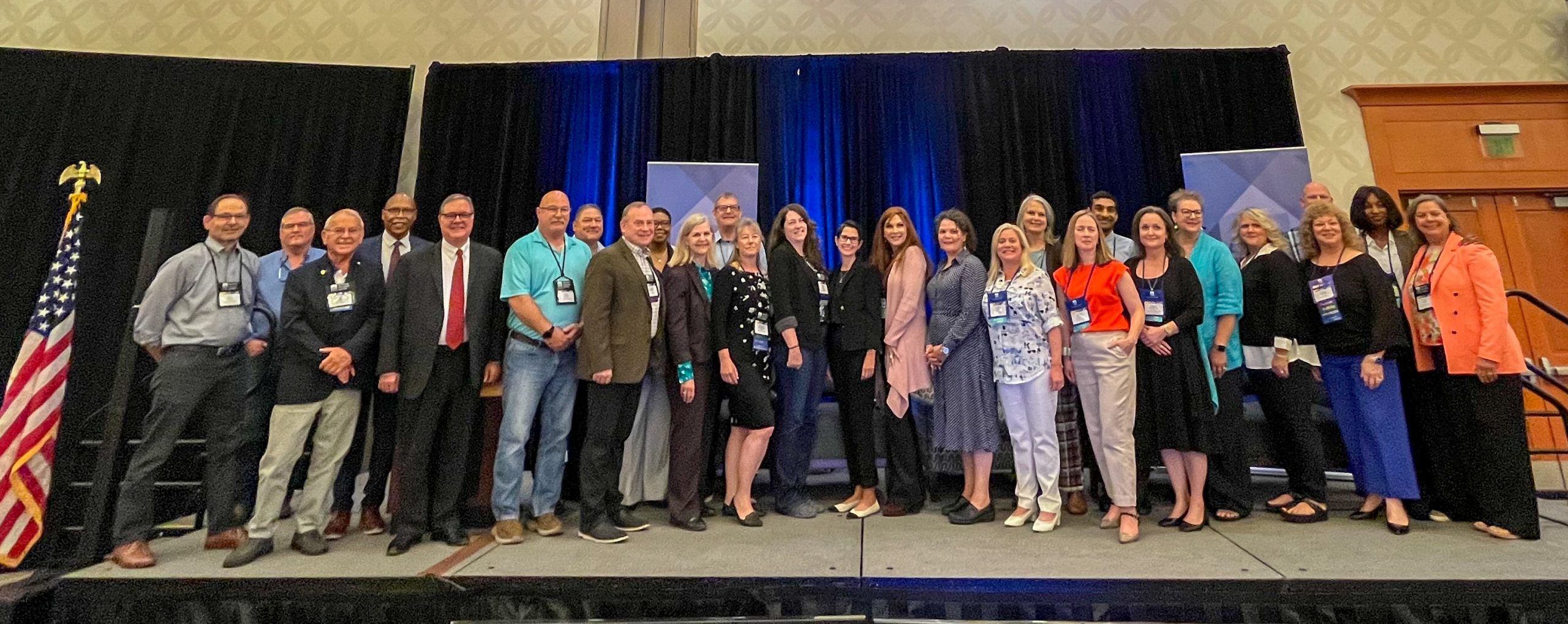
WA CELI leaders pose on a stage

It’s no secret that trust in governance is faltering. A recent Gallup poll found that only 39% of Americans trust the federal government. And though trust is higher in state and local governments (57% and 66%, respectively), we know there is an opportunity to plant seeds at the local level to improve civic health.

To respond to this moment, the Evans School of Public Policy & Governance and the William D. Ruckelshaus Center (WSU)—in collaboration with the Association of Washington Cities—are partnering to launch the Washington Collaborative Elected Leaders Institute (WA-CELI), a new program that aims to bolster the credibility of elected officials with the public they serve.

The Project for Civic Health, initiated by Lt. Governor Denny Heck, highlighted the need for unique support for elected officials to work together across political divides. This inspired the creation of WA-CELI to build the skills and courage needed for collaborative problem-solving.

“We brought together 200 people and said ‘we know what the problem is. What could we do?’” said Jodi Sandfort, dean of the Evans School. “The elected officials said, ‘we need some help building skills to disagree without being disagreeable.’ To me, it’s pretty clear that what’s failing us right now is that people have learned that to get elected, you have to be extreme. They haven’t learned that when you govern, you have to compromise.”

As two of the premier public universities in the state, WSU and UW are uniquely positioned to help elected officials reach across political divides and work together. Drawing on the expertise from both schools, the program includes applied training and peer learning that focuses on building a network of public leaders with collaborative leadership skills. The goal is to reshape Washington’s political culture to create a more collaborative and community-focused environment.

“We’re going to use a lot of case studies. Say it’s a conflict about a local issue around public safety or a conflict about a local issue about environmental protection and just having practice of how to sit and look at the case and figure out what are the issues and simulate what it’s like to try to come up with a solution,” Dean Sandfort noted. “Part of it is building better relationships and having experiences that help them feel more confident in their ability to analyze a problem and think through how we’re going to create a solution that adds value rather than just a solution that might be politically palatable.”

This summer, the first cohort of leaders from a mix of city sizes, types, and government structures is participating in virtual and in-person events across Washington state. Costs of attendance are covered to ensure accessibility for all. To further highlight connection across division, venues for the in-person sessions were intentionally chosen to play with people’s perceptions of where WSU and UW have influence in the state. The first in-person session was held July 27 at the UW Spokane Center, and a future session will be held at WSU’s Everett campus, across the street from Everett Community College.

The goal of this program is for public leaders to come away with new skills to collaborate with people they don’t necessarily agree with. Graduates will join a network of public leaders, staying connected through events and additional training. This network aims to support a shift towards a more collaborative political culture in Washington. Participants will also present their work at the annual AWC conference to engage and inspire future cohorts.
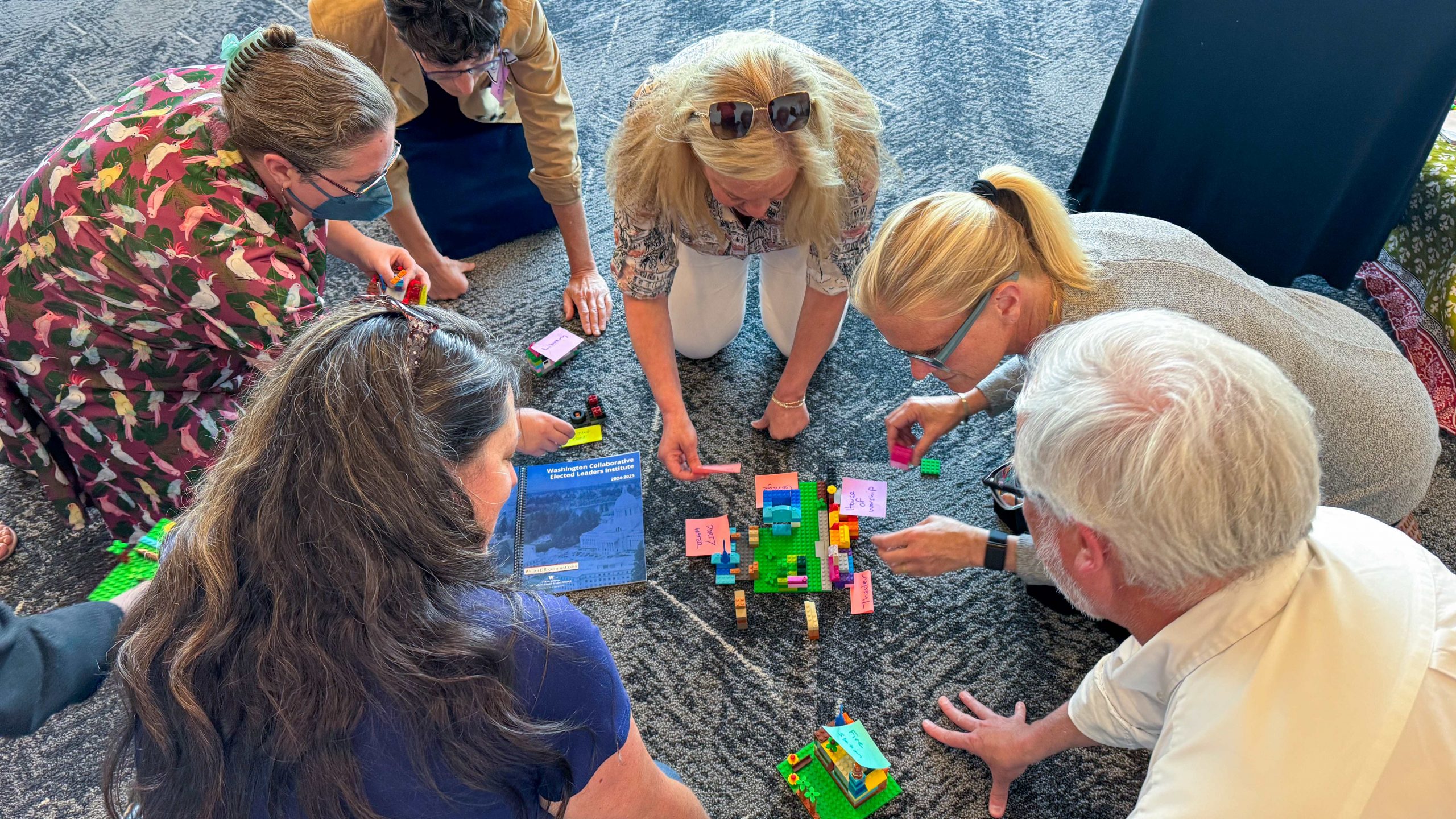

A group of adults crouch on the floor and add pieces to a mock up city

Alumni Spotlight: Yulan Kim, Ph.D. ’23

Yulan Kim finished her Ph.D. at the Evans School in December 2023, with dissertation work focused on advancing scholarly understanding of collaborative governance. The Evans School caught up with Yulan after winter break to learn more about her dissertation research.

Yulan Kim

Evans School: Congratulations on your dissertation defense. Your project pushes our conceptual and empirical understandings of collaborative governance. Explain why collaborative governance is such a critical topic in the study of public management today.

Yulan: Collaborative governance is an increasingly popular policy making and implementation strategy that can address problems that do not fit neatly within organizational or jurisdictional boundaries. If managed properly, it provides added benefits of fostering citizen trust and participation, promoting equitable service provision (which I explore in my dissertation) as well as greater legitimacy, procedural transparency, and responsiveness (which is established in the literature).

The study of collaborative governance is important because of its broad applicability as a versatile governance arrangement that can be used in conjunction with other policy tools. In this sense, it is highly relevant to how we address many of the public management problems we face today. However, there are still challenges to ensuring that collaborative governance is properly designed and implemented, which is why it requires the continued attention of public management scholars.

Evans School: Your dissertation is an innovative mixed methods study of South Korean Social Security Consultive Boards. How do these boards operate and why was a mixed methods approach advantageous in this instance? 

Yulan: My dissertation focuses on mandated collaborative governance, and South Korean Social Security Consultive Bodies (SSCBs) are a perfect example of this type of arrangement. SSCBs are established at all local jurisdictions in South Korea through a legislative mandate. They act as platforms that bring together public, nonprofit, and private actors to create and implement regional social security policies. Their functions range from high-level decision making, such as establishing short and long-term regional social security plans, to the direct delivery of services to citizens.

My research questions around SSCBs require both the identification of causal mechanisms as well as understanding what drives such patterns. So, using a large-N survey supplemented by interviews to collect both quantitative and qualitative data helped me paint both the big picture as well as gain a detailed understanding of what drives these changes. 

Evans School: Central to your dissertation is discussion of authentic collaborative governance and trust. Why is the concept of “trust” key to understanding the presence of authentic or meaningful collaborative governance? 

Yulan: My decision to use trust as an indicator of authentic collaboration is guided by theory. Fostering trust is crucial to the development of collaborative dynamics that are defining features of collaborative governance. Trust as both an input and output of collaborative governance has also been confirmed by numerous empirical research as well. 

I wanted to evaluate whether authentic collaboration could be generated even in mandated settings where collaboration is imposed upon actors. Top-down arrangements risk becoming ceremonial institutions as the participants may not share motivations to engage with each other. In the context of SSCBs, I track whether trust, an output of collaborative governance, changes over time to understand whether actors have engaged in authentic collaboration. I find that even in mandated SSCBs, participants show enhanced trust over time, suggesting that collaboration is taking place. 

Evans School: Your dissertation project also examines how collaborative governance can enhance equity in policy making settings. What are some takeaways from your dissertation that are relevant to those engaging in collaborative governance across a host of different settings? 

Yulan: Collaborative governance is often used for the co-creation of public services within communities. However, collaborative governance requires the investment of time and resources from participants. This means that the ability of local participants to commit resources can lead to variation in the quality and quantity of services co-created across communities. Research suggests affluent communities are better able to pool such resources. I investigate whether collaborative governance perpetuates or mitigates inequity in access to public services across communities. My findings highlight the relative importance of internal management over resources, suggesting that despite resource disparities across communities, collaborative governance can serve as a strategy to co-create public services in a way that mitigates inequities in access to public services.

Evans School: What’s up next? 

Yulan: I have joined Ocean Nexus as a postdoctoral fellow in January 2024. Ocean Nexus is a network of scholars working to promote equitable ocean governance. In this position, I am working alongside a team of Evans researchers who are on a mission to introduce public policy and management concepts and frameworks to ocean scholars who seek to produce more equitable, policy relevant research. In the short term, I want to focus on applying policy process and public management concepts in ocean research through collaborations. In the long term and more ambitiously, I want to explore how collaborative governance, which is mainly researched in domestic contexts, can inform transnational ocean governance. I studied IR and comparative politics before coming to Evans school, so I look forward to synthesizing such training with my expertise in public management to do so. 

Evans School: Congrats on this postdoctoral fellowship! It will be fun to see how your work evolves in the coming year! 

Yulan: Thanks!

Civic Leadership Goes Beyond the Public Sector

A NextGen student wearing a graduation ribbon talks to a guest

For Nathan Loutsis, newly elected city councilperson for the city of Kenmore and a University of Washington undergraduate, it’s important to stir a desire for public service in everyone, not just folks working in the public sector.

“The private sector does a lot for the public good as well,” Loutsis said. “Partnerships with the public sector to build affordable housing through private developers, nonprofits who work with the public sector to provide a public good, there’s always going to be an opportunity to serve. Inspiring passion for public leadership now is something that is not strictly allocated for the public sector, but it’s for any student, no matter what they do.”

Loutsis’ first brush with public service came when he was appointed to Kenmore’s planning commission at age 16. He fell in love with public service immediately and knew that working for the public good, specifically at the local level, was what he was called to do. Last fall, Loutsis ran for, and was elected to, Kenmore’s City Council.

Part of Loutsis’ academic journey has been his involvement in NextGen Civic Leader Corps, a UW tri-campus, interdisciplinary program that exists to broaden lanes to public service. NextGen launched in 2022, with a pilot year in 2021, as a collaboration between the Community Engagement & Leadership Education (CELE) Center and the Evans School of Public Policy & Governance. The program is also part of a growing network of similar programs across the country powered by the Volcker Alliance Next Generation Service Corps.

Throughout the academic year, the NextGen community engages in myriad activities centered on public service. Students engage with leaders in the field, attend skill building workshops, and participate in community service and networking events. This coursework is aimed at connecting students to like-minded peers and deepening an understanding of, and commitment to, public service. The program is open to all UW undergraduate students who are passionate about public service, community engagement, and civic leadership, regardless of major.

“I like to think we are one of many programs across campus intentionally creating conditions and opportunities for students to explore and strengthen their service mindset,” said Amen Tsegai, who serves as NextGen’s program manager and helps guide the vision, strategy, and implementation of various aspects of the program. “We expose students to hear and learn from practitioners in the community and encourage them to make room for other ways of knowing and leading by centering others. I also believe when we are in service with others, we gain insights into the lives of those we serve and expand our understanding and awareness. And so our students truly benefit from it.”

For Loutsis, the program has already had an impact on his career. He connected with leaders from the greater Seattle area at events hosted by NextGen to talk about issues faced by various communities, learn about successful strategies, and take them back to the city of Kenmore.

“NextGen has given me numerous opportunities to work with and hear from others with different perspectives and backgrounds, providing me with new ways of approaching situations and developing more equitable solutions to challenges that face our community,” said Loutsis, who participates as a student advisor. “I think it is an awesome program because it’s for everyone. It’s not restricted to a single major or minor. It’s not tailored to political science students or even public policy minor folks. Anyone who’s interested in public service and leadership can be involved.”

Art of Hosting and Harvesting 2024 Cohort

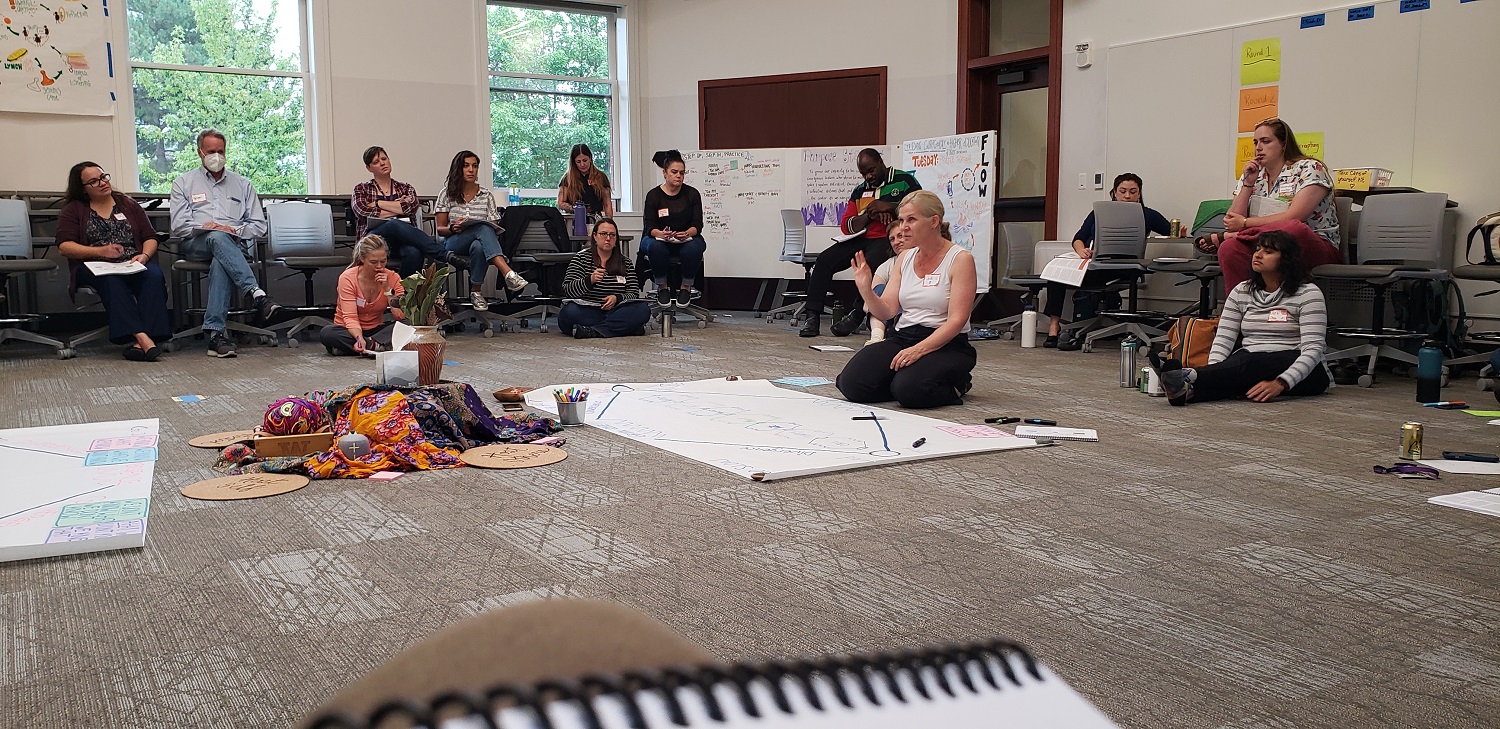
Dean Jodi Sandfort sits on floor in front of large poster while explaining techique to a group of partipants

Leading Courageously in Higher Education: The Art of Hosting and Harvesting Conversations That Matter (affectionately called ‘Art of Hosting’) was called for leaders within and partners of the university and by the Evans School to support fundamental systems redesign.

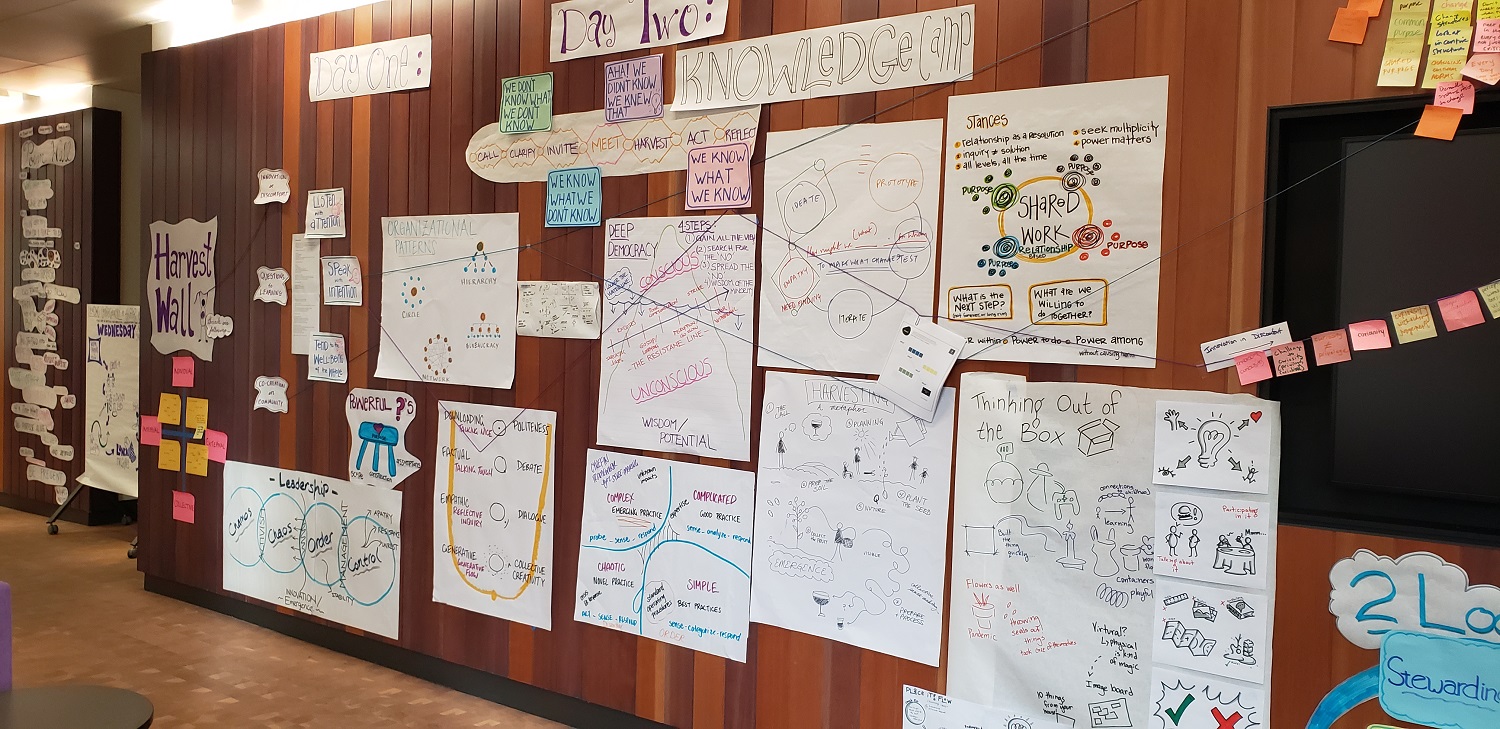
Harvest Wall from Art of Hosting

The Art of Hosting is both a methodology and a world view. It is held by an international community of practitioners who share with each other tried and true ways of engaging people in dialogue, understanding complex systems, and designing ways forward together. It is a powerful approach for actually walking the talk and guiding systems change in this era when we are striving to unlearn old practices and become anti-racist leaders of groups, organizations, and institutions.

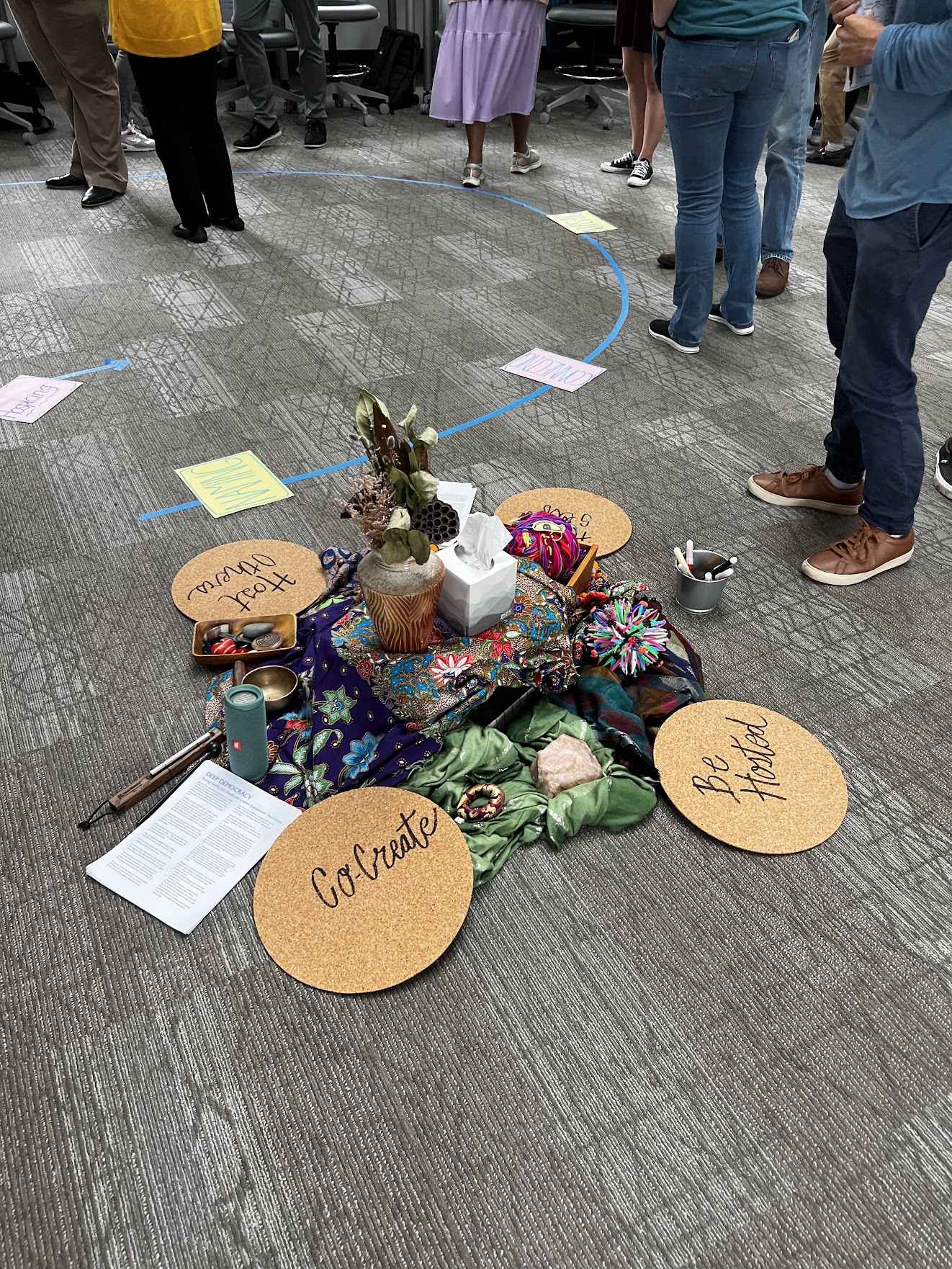
A collection of items sit in the middle of the room with large notes saying co-create, be heard, host others

Throughout the 3-day training, participants learned hands on and participatory methods to explore powerful questions about both our personal leadership and goals for conversations that matter in our work and communities. The training was centered around the following purpose: to grow our capacity to be curious and courageous leaders who strive to make every space and system anti-racist, through our individual and collective actions that put humanity at the center as we navigate complexity. These methods and frameworks can be used to fuel innovation in higher education and public governance, helping us to understand more deeply how to decenter traditional sources of authority and invite in more voices to engage communities authentically.

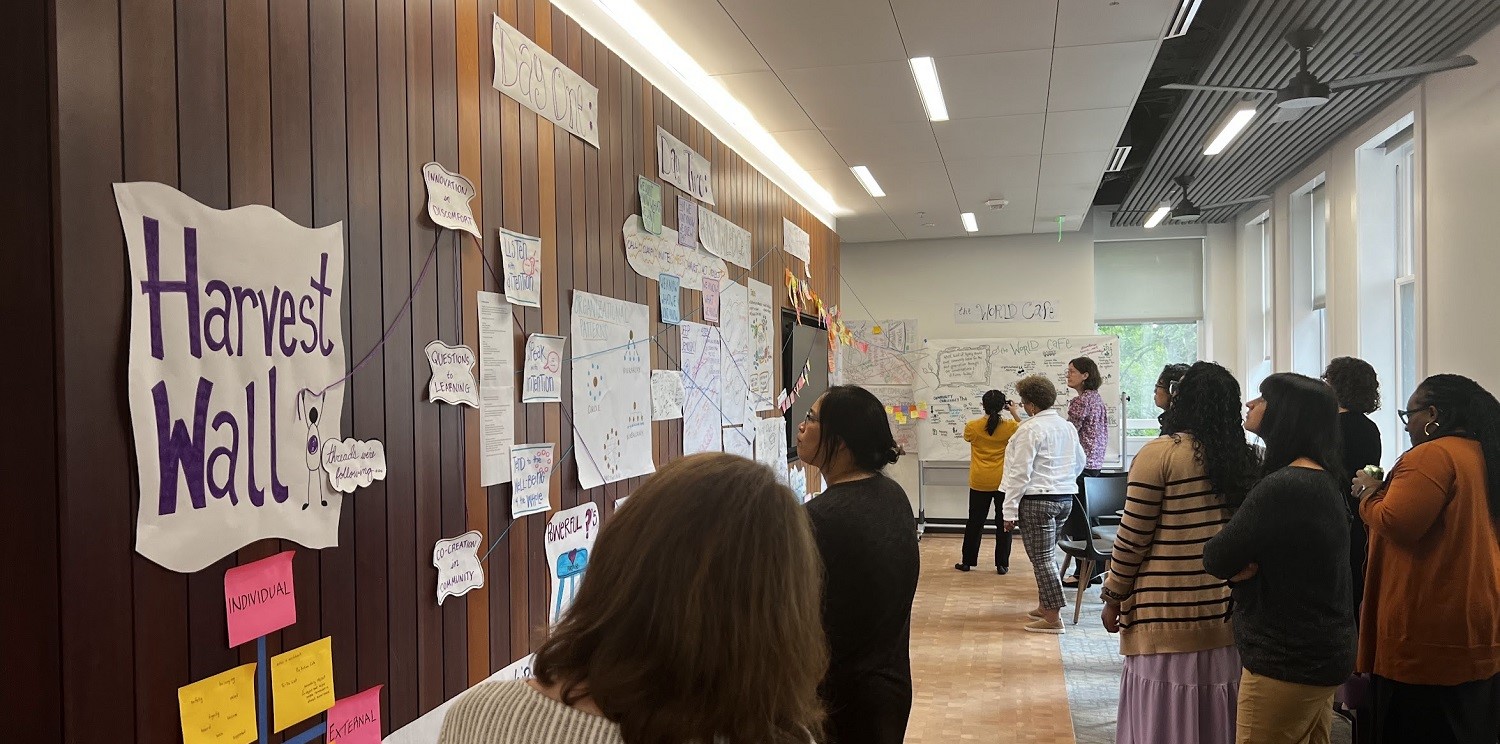
Graphics and posters adorn Parrington Hall after Art of Hosting event

Dean’s Forum: Advancing Systems for Racial Equity

Dean's Forum Logo

Possibilities and Perils of Decentralization

The Dean’s Forum series focuses on the intersection of race and public policy in support of the Evans School of Public Policy & Governance’s mission to host community conversations that inspire public leaders.

While advancing racial equity through public policy is an enduring and ever important mandate, there are no clear or easy pathways for this work. Decentralization is a reality of the American political system that poses both problems and possibilities for addressing the racialized nature of policy and its implementation. This panel considered critical questions about racially equitable policymaking and administration in the face of our decentralized institutions, and discussed instances of challenge and success and what motivates a deeper level of leadership at this important juncture in our national life.

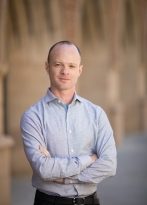
Speakers

Gordon Goodwin

Gordon Goodwin
Senior Director for Government Alliance on Race Equity
Race Forward

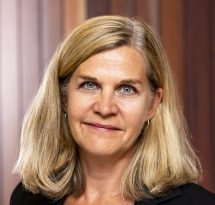
Jamila Michener

Dr. Jamila Michener
Associate Professor of Government and Public Policy
Cornell University

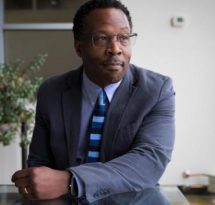
Victor Ray

Victor Ray
F. Wendell Miller Associate Professor
University of Iowa

Dean Jodi Sandfort

Jodi Sandfort
Dean
University of Washington
Evans School of Public Policy & Governance

Resource Document

Conversation Resources

American Federalism, Political Inequality, and Democratic Erosion Jacob M. Grumbach and Jamila Michener

Policy Feedback in a Racialized Polity Jamila Michener

A Racial Equity Framework for Assessing Health Policy Jamila Michener

Fragmented Democracy: Medicaid, Federalism, and Unequal Politics Jamila Michener

Engaging Voice to Support Racially Equitable Policymaking Jamila Michener and Tiffany N. Ford

On Critical Race Theory Victor Ray

Racialized Burdens: Applying Racialized Organization Theory to the Administrative State Victor Ray, Pamela Herd, and Donald Moyniahn

Kimberle Crenshaw Columbia Law School

Land-grab Universities Robert Lee and Tristan Ahtone

SB 5793 – 2021-22 State of Washington Allowing compensation for lived experience on boards, commissions, councils, committees, and other similar groups

H.B. 1886 State of Washington Prohibiting the teaching of critical race theory and related curricula in public schools

HB 1220 – 2021-22 State of Washington Supporting emergency shelters and housing through local planning and development regulations

HB 1277 – 2021-22 State of Washington Providing for an additional revenue source for eviction prevention and housing stability services

Dean’s Forum: Assessing Where We Are in Racial Reckoning

Dean's Forum Logo

On April 22, 2022, the Evans School of Public Policy and Governance hosted a conversation about how race influences the shaping and implementation of public policy.  

During the event, Dean Sandfort was joined by Dr. Jennifer Chudy who presented her research on white “racial sympathy.” Washington state policy leaders Sarita Siqueiros Thornburg and Dr. Stephan Blanford reflected on how changing attention to racial justice continues influencing conditions in Washington at the state and local levels. 

Speakers

Jennifer Chudy

Jennifer Chudy
Knafel Assistant Professor of Social Sciences
Department of Political Science
Wellesley College

Dean Jodi Sandfort

Jodi Sandfort
Dean
University of Washington
Evans School of Public Policy & Governance

Stephan Blanford

Stephan Blanford
Executive Director
Children’s Alliance

Sarita Siqueiros Thornburg

Sarita Siqueiros Thornburg
Executive Director of Strategy, Evaluation & Learning
Puget Sound Educational Service District

Event Recording

Sustainability and Impact: Nicki McClung, MPA ’15

Nicki McClung

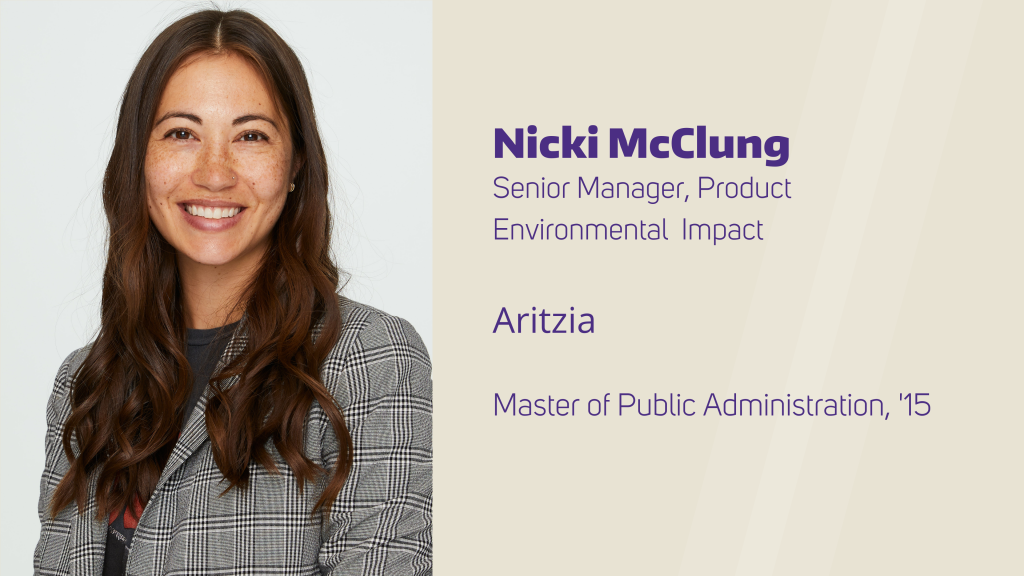
Evans Alum and Aritzia’s Senior Manager of Product Environmental Impact, Nicki McClung (MPA ’15), is leveraging her experience, Evans education, and passion for social justice to positively impact product sustainability and climate strategy.

Can you tell us a little about yourself? 

My name is Nicki and I use she/her pronouns. I grew up in a tiny town in the foothills of the Canadian Rocky Mountains. I am of mixed Japanese/Irish ancestry, which was a bit of a novelty where I grew up. My undergrad is in accounting and finance, and after a couple of years living and working in Banff, Alberta, South Korea, and Australia and doing some travel in between, I landed in Seattle with my then-boyfriend trying to make it in a new city. 

Fast forward a few years and I left Seattle in the middle of the pandemic to relocate to a small ski town in British Columbia with my husband, two kiddos, and dog. I work remotely with Aritzia, a contemporary women’s wear brand based out of Vancouver, BC, and whenever I can, I’m biking, skiing, or somehow enjoying the outdoors with my family.

What contributed to your decision to pursue an MPA degree? Was there a defining moment in particular?

When I moved to Seattle, I thought I would have no trouble finding a role in my field. With the boom in tech, and my corporate finance and accounting background, surely someone would sponsor me.

My theory proved to be wrong.

I wanted to go back to school to have work eligibility primarily, and someone suggested I look into an MPA. For me, I already had worked in huge corporations, I could make a business case, I could operate easily in the private sector, so an MBA seemed redundant.

The MPA program was like an MBA but with the lens of impact and social justice. Through the wonderful support of the admissions team at Evans, I was able to determine it was the right fit for me, and they helped me through the process.

Looking back on your Evans School experience, what stands out as being particularly impactful while you were a student?

So much changed during my time at Evans, both personally and professionally. There were a lot of social and political changes happening during that time. George Zimmerman had just been acquitted in the homicide of Trayvon Martin, and Michael Brown and Eric Garner were murdered months later. The conversation shifted dramatically I found, especially as a newcomer to the US, from bi-partisan politics to the deep and entrenched racism prevalent in the country (and bi-partisan politics).

I learned so much from my professors and cohort at Evans. I’m still learning, but my time at Evans shifted my perspective. I finally had the opportunity to embrace my own identity and my intersectionality. I began to work through the questions and traumas of my own experience, and it has helped me immensely in my career, as a leader, and community member.

Can you share a bit about the work you are currently doing and what a typical day in your work looks like?

I currently work on the sustainability team at Aritzia. Officially I am the senior manager of product environmental impact, but my scope includes beyond just product. I’ve been working on what our climate strategy looks like, both from a high-level organizational view and then specifically what we are doing along parts of our value chain.

My days are nicely varied, but it’s a lot of internal and external stakeholder engagement – and report and memo writing! Thanks, Evans!

As an MPA working in the private sector, how has your Evans education contributed to your work?

Other than the stakeholder engagement and writing pieces I already mentioned – probably critical thinking! Specifically how to dig into the sources of information, and not cherry-pick data! Embracing the data – good and bad – is so hard to do but Evans taught me how to work through that.

I think something else that I credit Evans for is the reminder to always think about the bigger impact and the danger of inappropriate interventions.

Can you tell us about some of the projects you are working on or excited about?

I am so excited about some big projects coming up soon. In the past, many teams worked in silos, with different goals and KPIs, that didn’t all track towards a common objective. Now, we are entering a very exciting phase of being able to set a comprehensive environmental impact strategy. I hope to be able to share more soon!

What are one or two resources that inspire you?

Overdressed: The Shockingly High Cost of Cheap Fashion by Elizabeth Cline is probably one of the most realistic portrayals of how products are made and what factories are like. It doesn’t tell the whole picture, but it’s a great primer for anyone interested in the industry.

This New York Times piece on organic cotton is super fascinating and extremely relevant to my world: That Organic Cotton T-Shirt May Not Be as Organic As You Think.

Harvard Business Review’s article The Myth of Sustainable Fashion is a little depressing, but some good guiding principles.

Evans Faculty Crystal Hall Receives Prestigious Career Service Award

Crystal Hall

Evans Associate Professor Crystal Hall has received the Society for Judgment and Decision Making’s (SDJM) 2021-22 Castellan Service Award. This award recognizes Professor Hall’s many important leadership and professional contributions to SDJM.

Of particular importance is Professor Hall’s service for the past two years as chair of SDJM’s first-ever Diversity & Inclusion Committee. In that role, she has centered equity and inclusion within SDJM’s work to better support scholars from underrepresented and historically excluded backgrounds.

Upon receiving the Castellan Service Award, Professor Hall noted: “SJDM has been my primary academic community. And, despite its interdisciplinary nature, it has historically fallen short in the creation of a diverse community of scholars. I hope some of the deep structural changes we are pursuing as a professional association will result in an inclusive environment that will be reflected in both the nature of our research and the way that research is applied to a wide range of social challenges.”

Professor Hall’s leadership within SDJM echoes her field-leading research and many contributions to the Evans School. Associate Dean for Research and Engagement Scott W. Allard underscored, “Professor Crystal Hall is a singular scholarly voice challenging behavioral science to confront structural racism. Her work within the Evans School also has been integral to our school’s commitments to promote equity, address racial bias, and train the next generation of public service leaders to dismantle systems of oppression.”