Michelle Gislason
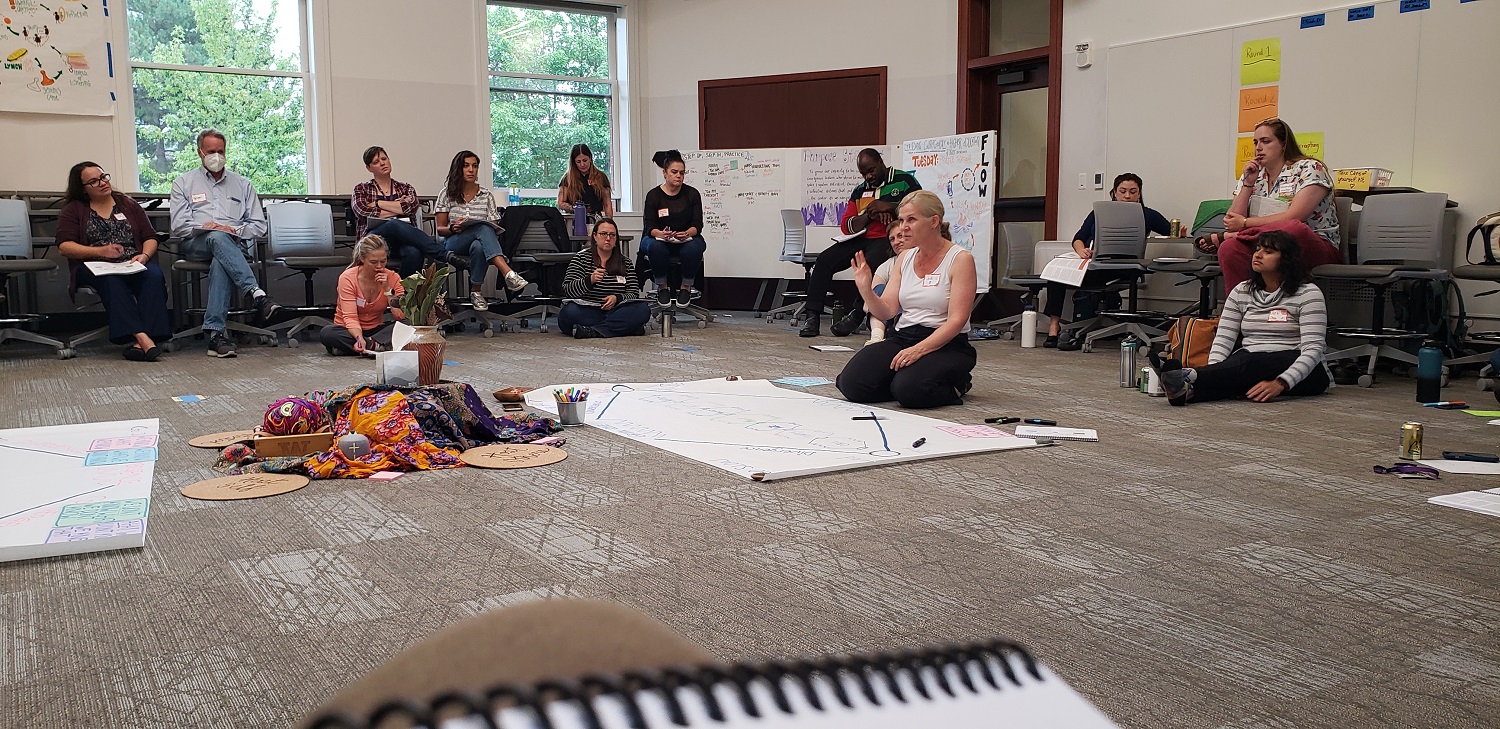
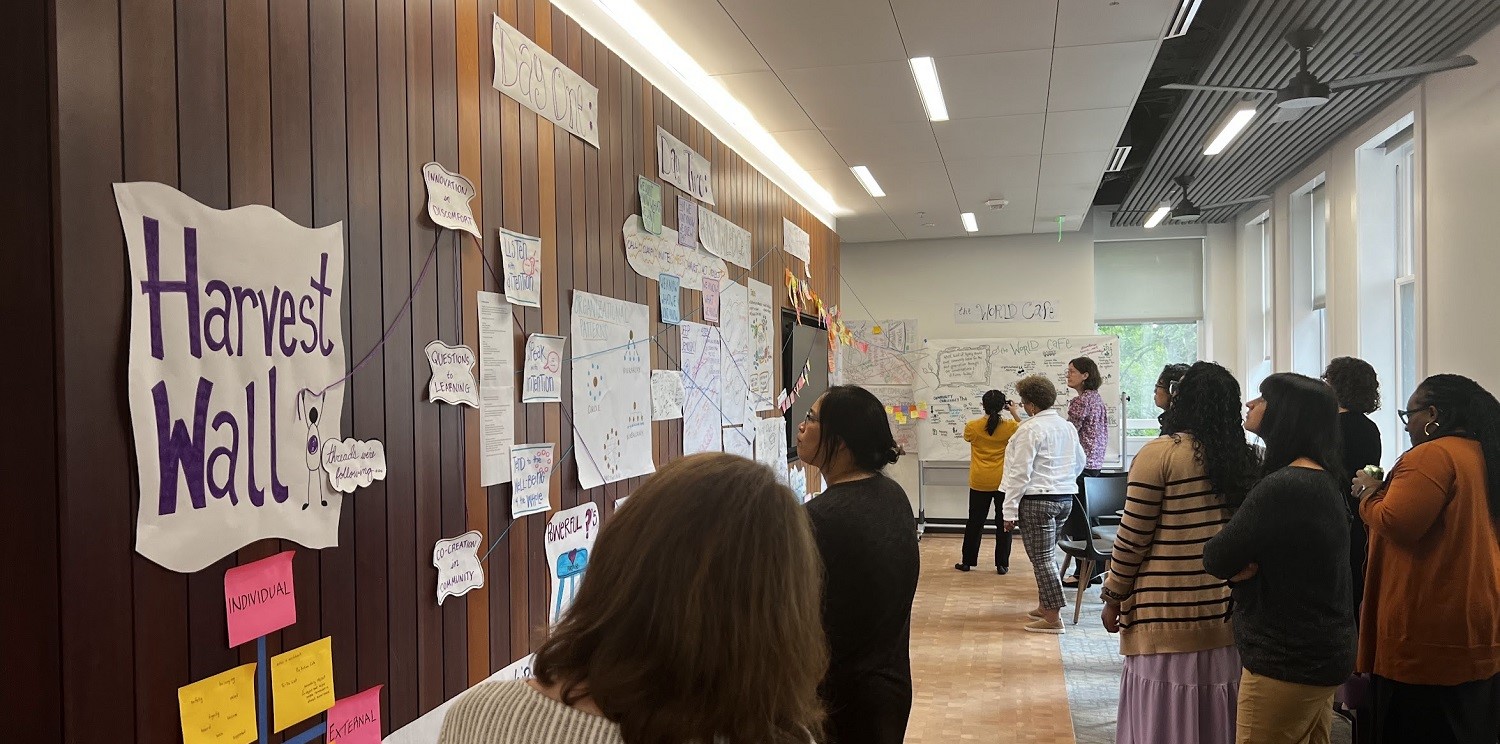
Leading Courageously in Higher Education: The Art of Hosting and Harvesting Conversations That Matter (affectionately called ‘Art of Hosting’) was called for leaders within and partners of the university and by the Evans School to support fundamental systems redesign.
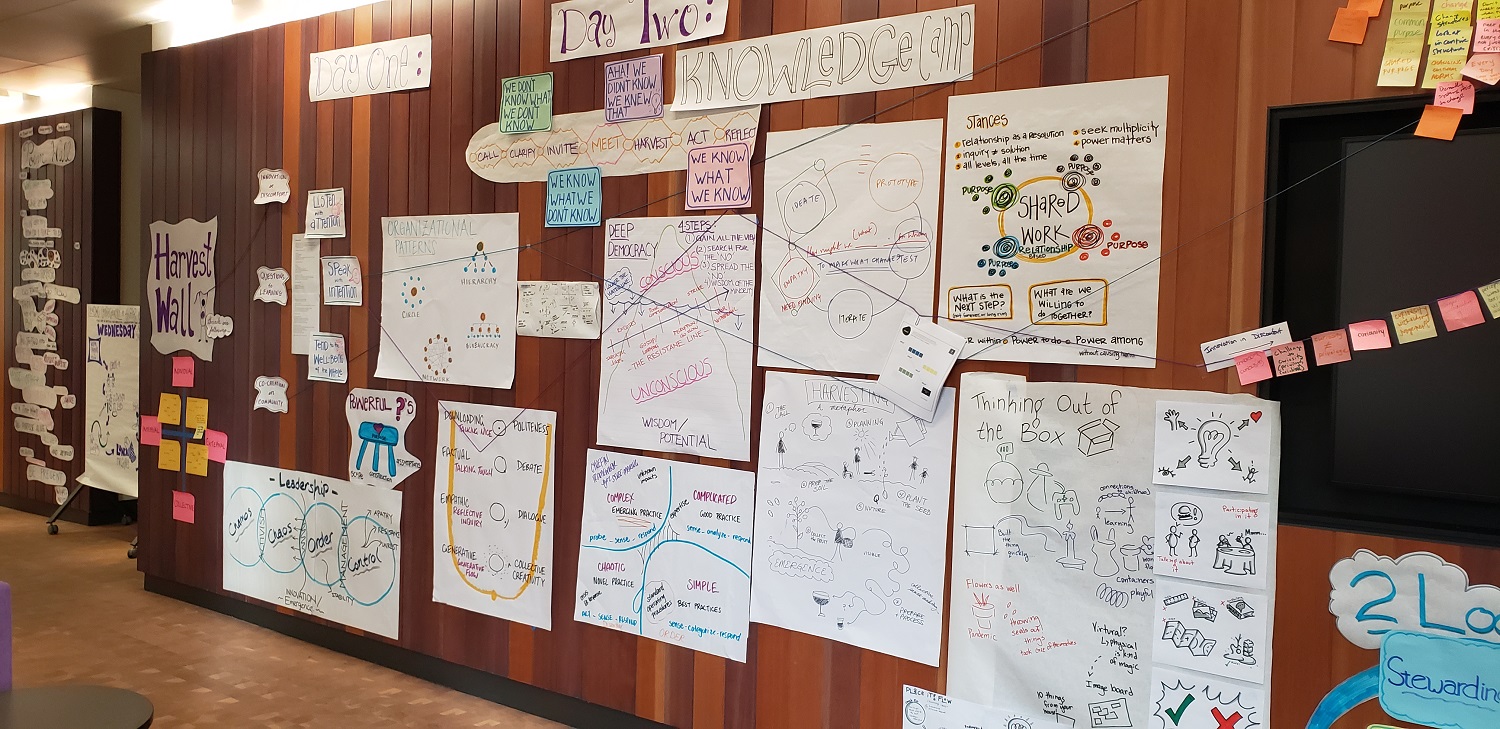
The Art of Hosting is both a methodology and a world view. It is held by an international community of practitioners who share with each other tried and true ways of engaging people in dialogue, understanding complex systems, and designing ways forward together. It is a powerful approach for actually walking the talk and guiding systems change in this era when we are striving to unlearn old practices and become anti-racist leaders of groups, organizations, and institutions.
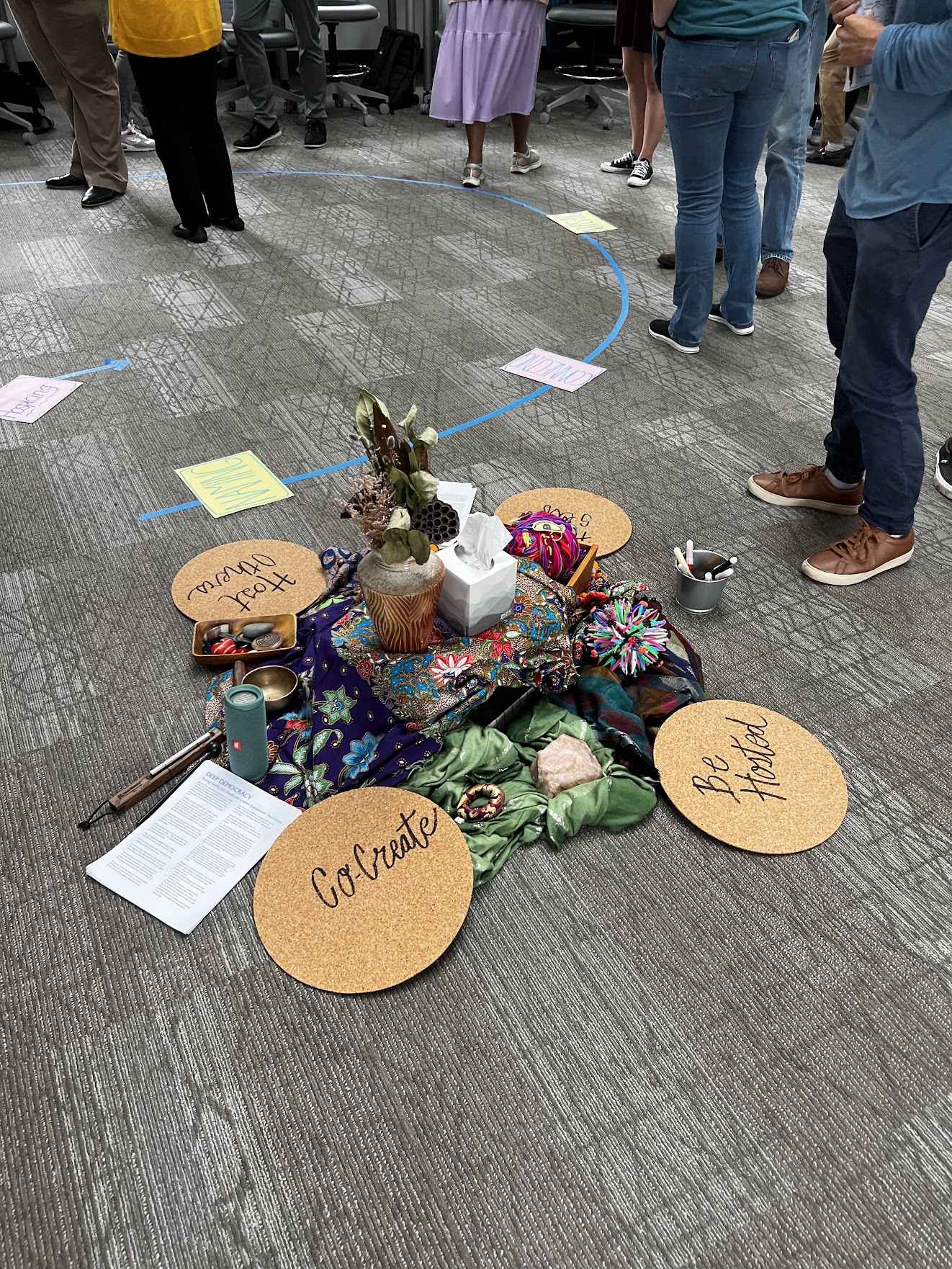
Throughout the 3-day training, participants learned hands on and participatory methods to explore powerful questions about both our personal leadership and goals for conversations that matter in our work and communities. The training was centered around the following purpose: to grow our capacity to be curious and courageous leaders who strive to make every space and system anti-racist, through our individual and collective actions that put humanity at the center as we navigate complexity. These methods and frameworks can be used to fuel innovation in higher education and public governance, helping us to understand more deeply how to decenter traditional sources of authority and invite in more voices to engage communities authentically.

The Dean’s Forum series focuses on the intersection of race and public policy in support of the Evans School of Public Policy & Governance’s mission to host community conversations that inspire public leaders.
While advancing racial equity through public policy is an enduring and ever important mandate, there are no clear or easy pathways for this work. Decentralization is a reality of the American political system that poses both problems and possibilities for addressing the racialized nature of policy and its implementation. This panel considered critical questions about racially equitable policymaking and administration in the face of our decentralized institutions, and discussed instances of challenge and success and what motivates a deeper level of leadership at this important juncture in our national life.

Gordon Goodwin
Senior Director for Government Alliance on Race Equity
Race Forward

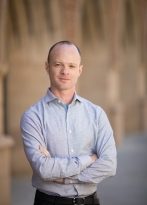
Dr. Jamila Michener
Associate Professor of Government and Public Policy
Cornell University
Victor Ray
F. Wendell Miller Associate Professor
University of Iowa
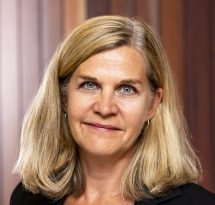
Jodi Sandfort
Dean
University of Washington
Evans School of Public Policy & Governance
American Federalism, Political Inequality, and Democratic Erosion Jacob M. Grumbach and Jamila Michener
Policy Feedback in a Racialized Polity Jamila Michener
A Racial Equity Framework for Assessing Health Policy Jamila Michener
Fragmented Democracy: Medicaid, Federalism, and Unequal Politics Jamila Michener
Engaging Voice to Support Racially Equitable Policymaking Jamila Michener and Tiffany N. Ford
On Critical Race Theory Victor Ray
Racialized Burdens: Applying Racialized Organization Theory to the Administrative State Victor Ray, Pamela Herd, and Donald Moyniahn
Kimberle Crenshaw Columbia Law School
Land-grab Universities Robert Lee and Tristan Ahtone
SB 5793 – 2021-22 State of Washington Allowing compensation for lived experience on boards, commissions, councils, committees, and other similar groups
H.B. 1886 State of Washington Prohibiting the teaching of critical race theory and related curricula in public schools
HB 1220 – 2021-22 State of Washington Supporting emergency shelters and housing through local planning and development regulations
HB 1277 – 2021-22 State of Washington Providing for an additional revenue source for eviction prevention and housing stability services
On April 22, 2022, the Evans School of Public Policy and Governance hosted a conversation about how race influences the shaping and implementation of public policy.
During the event, Dean Sandfort was joined by Dr. Jennifer Chudy who presented her research on white “racial sympathy.” Washington state policy leaders Sarita Siqueiros Thornburg and Dr. Stephan Blanford reflected on how changing attention to racial justice continues influencing conditions in Washington at the state and local levels.

Jennifer Chudy
Knafel Assistant Professor of Social Sciences
Department of Political Science
Wellesley College
Jodi Sandfort
Dean
University of Washington
Evans School of Public Policy & Governance
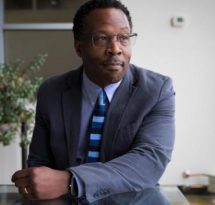
Stephan Blanford
Executive Director
Children’s Alliance

Sarita Siqueiros Thornburg
Executive Director of Strategy, Evaluation & Learning
Puget Sound Educational Service District
The Sum of Us: What Racism Costs Everyone and How We Can Prosper Together Heather McGhee
How to be an Antiracist Ibram X. Kendi
Opportunities for White People in the Fight for Racial Justice: Moving from Actor Ally Accomplice Jonathan Osler
Racial Restrictive Covenants The Seattle Civil Rights and Labor Project
White Fragility Robin DeAngelo
“Support for Black Lives Matter Surged Last Year. Did It Last?” New York Times
Between the World and Me Ta-Nehisi Coates
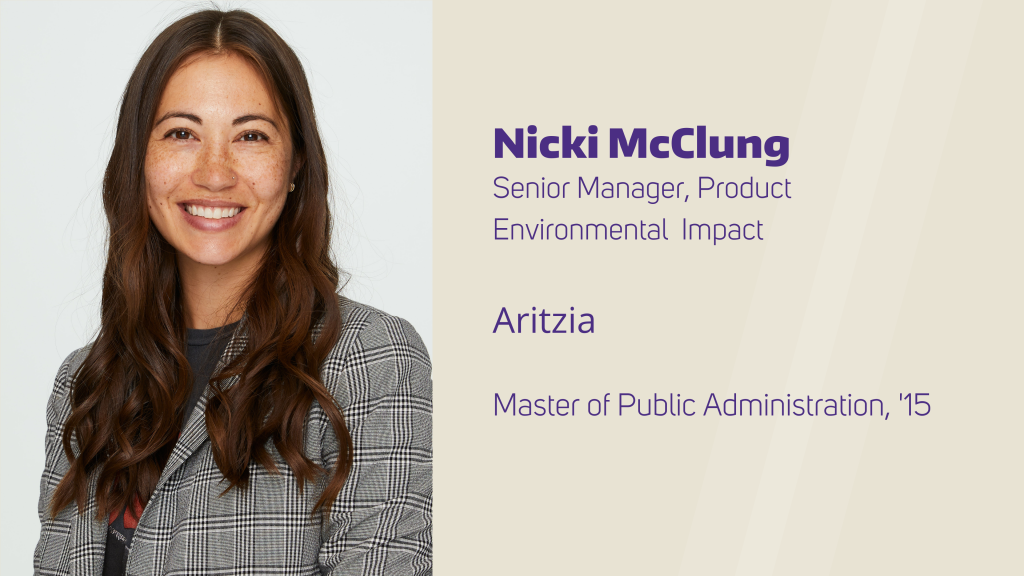
Evans Alum and Aritzia’s Senior Manager of Product Environmental Impact, Nicki McClung (MPA ’15), is leveraging her experience, Evans education, and passion for social justice to positively impact product sustainability and climate strategy.
My name is Nicki and I use she/her pronouns. I grew up in a tiny town in the foothills of the Canadian Rocky Mountains. I am of mixed Japanese/Irish ancestry, which was a bit of a novelty where I grew up. My undergrad is in accounting and finance, and after a couple of years living and working in Banff, Alberta, South Korea, and Australia and doing some travel in between, I landed in Seattle with my then-boyfriend trying to make it in a new city.
Fast forward a few years and I left Seattle in the middle of the pandemic to relocate to a small ski town in British Columbia with my husband, two kiddos, and dog. I work remotely with Aritzia, a contemporary women’s wear brand based out of Vancouver, BC, and whenever I can, I’m biking, skiing, or somehow enjoying the outdoors with my family.
When I moved to Seattle, I thought I would have no trouble finding a role in my field. With the boom in tech, and my corporate finance and accounting background, surely someone would sponsor me.
My theory proved to be wrong.
I wanted to go back to school to have work eligibility primarily, and someone suggested I look into an MPA. For me, I already had worked in huge corporations, I could make a business case, I could operate easily in the private sector, so an MBA seemed redundant.
The MPA program was like an MBA but with the lens of impact and social justice. Through the wonderful support of the admissions team at Evans, I was able to determine it was the right fit for me, and they helped me through the process.
So much changed during my time at Evans, both personally and professionally. There were a lot of social and political changes happening during that time. George Zimmerman had just been acquitted in the homicide of Trayvon Martin, and Michael Brown and Eric Garner were murdered months later. The conversation shifted dramatically I found, especially as a newcomer to the US, from bi-partisan politics to the deep and entrenched racism prevalent in the country (and bi-partisan politics).
I learned so much from my professors and cohort at Evans. I’m still learning, but my time at Evans shifted my perspective. I finally had the opportunity to embrace my own identity and my intersectionality. I began to work through the questions and traumas of my own experience, and it has helped me immensely in my career, as a leader, and community member.
I currently work on the sustainability team at Aritzia. Officially I am the senior manager of product environmental impact, but my scope includes beyond just product. I’ve been working on what our climate strategy looks like, both from a high-level organizational view and then specifically what we are doing along parts of our value chain.
My days are nicely varied, but it’s a lot of internal and external stakeholder engagement – and report and memo writing! Thanks, Evans!
Other than the stakeholder engagement and writing pieces I already mentioned – probably critical thinking! Specifically how to dig into the sources of information, and not cherry-pick data! Embracing the data – good and bad – is so hard to do but Evans taught me how to work through that.
I think something else that I credit Evans for is the reminder to always think about the bigger impact and the danger of inappropriate interventions.
I am so excited about some big projects coming up soon. In the past, many teams worked in silos, with different goals and KPIs, that didn’t all track towards a common objective. Now, we are entering a very exciting phase of being able to set a comprehensive environmental impact strategy. I hope to be able to share more soon!
Overdressed: The Shockingly High Cost of Cheap Fashion by Elizabeth Cline is probably one of the most realistic portrayals of how products are made and what factories are like. It doesn’t tell the whole picture, but it’s a great primer for anyone interested in the industry.
This New York Times piece on organic cotton is super fascinating and extremely relevant to my world: That Organic Cotton T-Shirt May Not Be as Organic As You Think.
Harvard Business Review’s article The Myth of Sustainable Fashion is a little depressing, but some good guiding principles.
Evans Associate Professor Crystal Hall has received the Society for Judgment and Decision Making’s (SDJM) 2021-22 Castellan Service Award. This award recognizes Professor Hall’s many important leadership and professional contributions to SDJM.
Of particular importance is Professor Hall’s service for the past two years as chair of SDJM’s first-ever Diversity & Inclusion Committee. In that role, she has centered equity and inclusion within SDJM’s work to better support scholars from underrepresented and historically excluded backgrounds.
Upon receiving the Castellan Service Award, Professor Hall noted: “SJDM has been my primary academic community. And, despite its interdisciplinary nature, it has historically fallen short in the creation of a diverse community of scholars. I hope some of the deep structural changes we are pursuing as a professional association will result in an inclusive environment that will be reflected in both the nature of our research and the way that research is applied to a wide range of social challenges.”
Professor Hall’s leadership within SDJM echoes her field-leading research and many contributions to the Evans School. Associate Dean for Research and Engagement Scott W. Allard underscored, “Professor Crystal Hall is a singular scholarly voice challenging behavioral science to confront structural racism. Her work within the Evans School also has been integral to our school’s commitments to promote equity, address racial bias, and train the next generation of public service leaders to dismantle systems of oppression.”
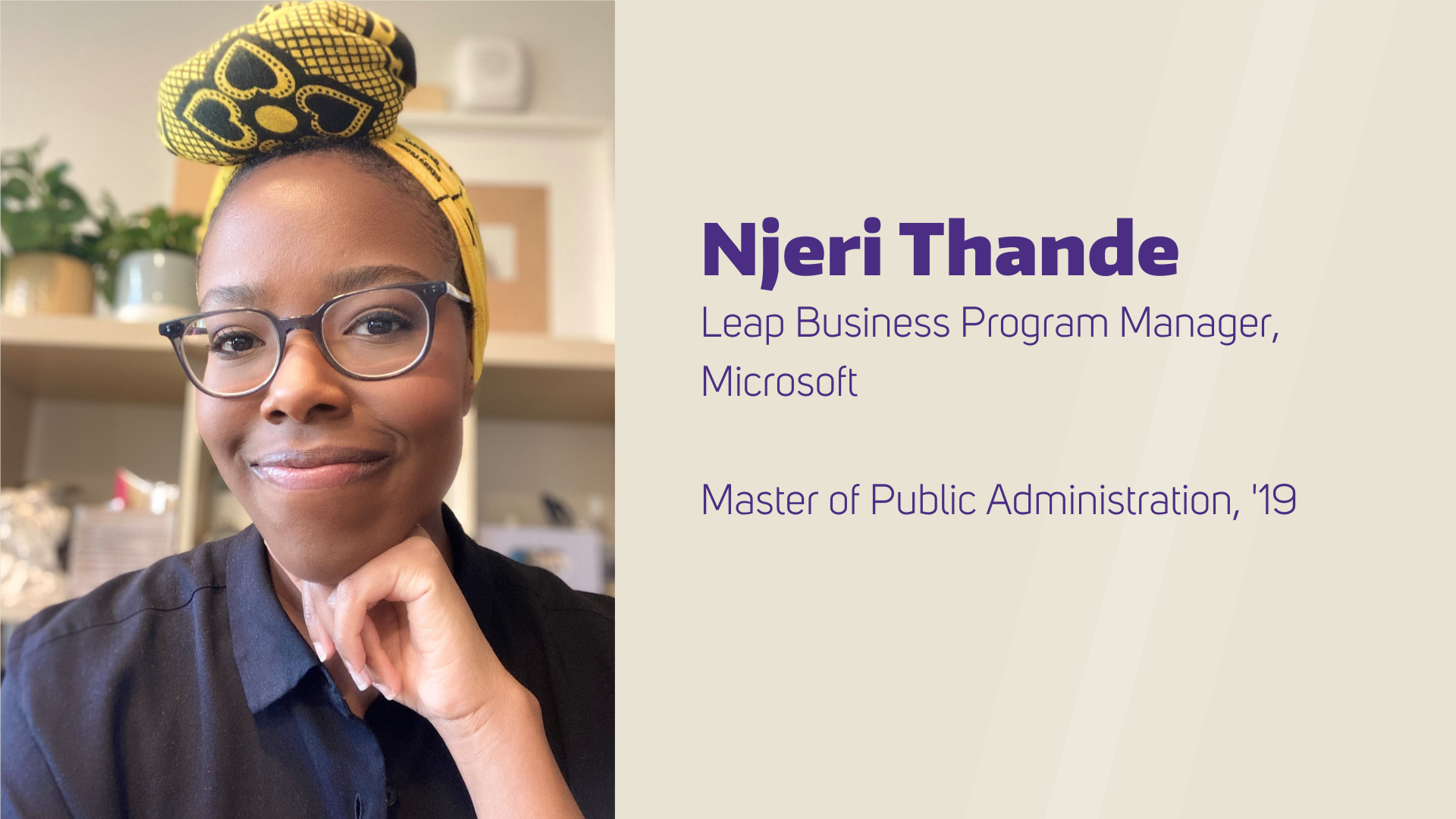
Njeri Thande (MPA ’19) believes in asking the right questions, approaching problems with precision, and engaging in generative work, especially when working for people’s success and wellbeing. As Leap Business Program Manager at Microsoft, Njeri focuses on increasing non-traditional talent pathways and employment opportunities in tech.
I think I’ve always been interested in work related to the public good. However, I started my professional career in the private sector after college right after the 2008 financial crisis. At that time, I was more concerned with being gainfully employed, so I didn’t feel like I was in a solid position to scrutinize an organization’s mission. I think I began feeling motivated towards a public good-focused career when, while working at a tech company, I was also volunteering and taking on side projects related to community building and conversations on racial identity. I was feeling pulled to the latter work and, long story short, decided it was time to go back to school. I soon after applied to Evans MPA program.
I work for Microsoft Leap Apprenticeship Program as a Business Program Manager. The program was founded 5 years ago as a means of diversifying the talent pipeline into tech with what we call “unconventional talent.” Unconventional talent comprises self-taught learners and bootcamp grads, parents and caregivers returning to the workforce, and community college graduates. Individuals apply for the program and successful applicants are welcomed into a cohort for a 16-week apprenticeship.
Part of my typical day involves co-leading the operations of a cohort—that work looks different every day since our program operates in phases. My work includes training sponsoring teams to understand their roles and responsibilities, working with our learning and development team to develop a best-in-class virtual classroom experience, coaching our mentors and managers through the various program milestones, and providing support for our apprentices. We work with hundreds of stakeholders to run our program. The other part of my typical day is co-leading initiatives related to scaling and continuous improvement.
Before Evans, I had the pleasure of co-hosting community conversations on the intersections of race and parts of community life (race and sports; race and the workplace), which was something I really enjoyed. While a student at Evans I joined the Committee for Equity and Inclusion, where I had the pleasure of doing research on belonging with Professor Jurcevic, and supported peers organizing around inclusion and belonging. Later, I had the pleasure of leading a small conference called The Good Trouble Conference, which was a way of convening peers doing work across diversity, equity, and inclusion to share what they were up to and find like-minded community. The phrase “diversity, equity, and inclusion” can be challenging because so many of us hold different worldviews, are interested in different outcomes, and don’t always have a shared theory of change. The work in convening the “Good Trouble” space was valuable to see the range of people’s work and how they were thinking through and engaging in deep issues and concepts like liberation, institutional change, and worldbuilding.
The program I work for was founded to diversify tech and capture a talent pool that has often been ignored. I have a lot of respect for our program. And I think it’s important to name that our impact is specifically centered on employment–and that is no small thing. While we create pathways to employment opportunities and train our company to understand the unconventional talent we’re developing and onboarding, we still need the support of other company entities to fulfill the mission of building equitable practices in other areas of the work experience. It’s important to think holistically about DEI in the workplace.
The Good Trouble Conference was deeply important for me. There are so many interesting, creative, and impactful things that Evans students are doing and it was a pleasure to be able to collect a small snapshot of that work. This field can feel tough as we weather so many crises in our nation and world, but it was such an amazing reminder that good, generative work (even if challenging and uncomfortable) is also being done in our world—and by our peers, no less.
I think being in generative spaces like those also help me continue the practice of unlearning and revising so that as I learn, I can continue to show up with better tools and resources to approach issues of social change.
My Evans education has provided me with a lot of – particularly management and leadership skills. I’m better at asking the right questions and precise in approaching problems that have to do with the wellbeing and success of groups of people. No matter where I work, that’s my focus.
Podcast: “Two Acclaimed Writers on the Art of Revising Your Life”, The Ezra Klein Show. I think Dr. Tressie McMillan Cottom and Kiese Laymon are great on every podcast they join. What is so excellent about this podcast episode is that they are in conversation together and they talk about the brave and necessary work of being critically self-reflexive and maintaining a practice of revising the way that you think and show up in your communities and your work.
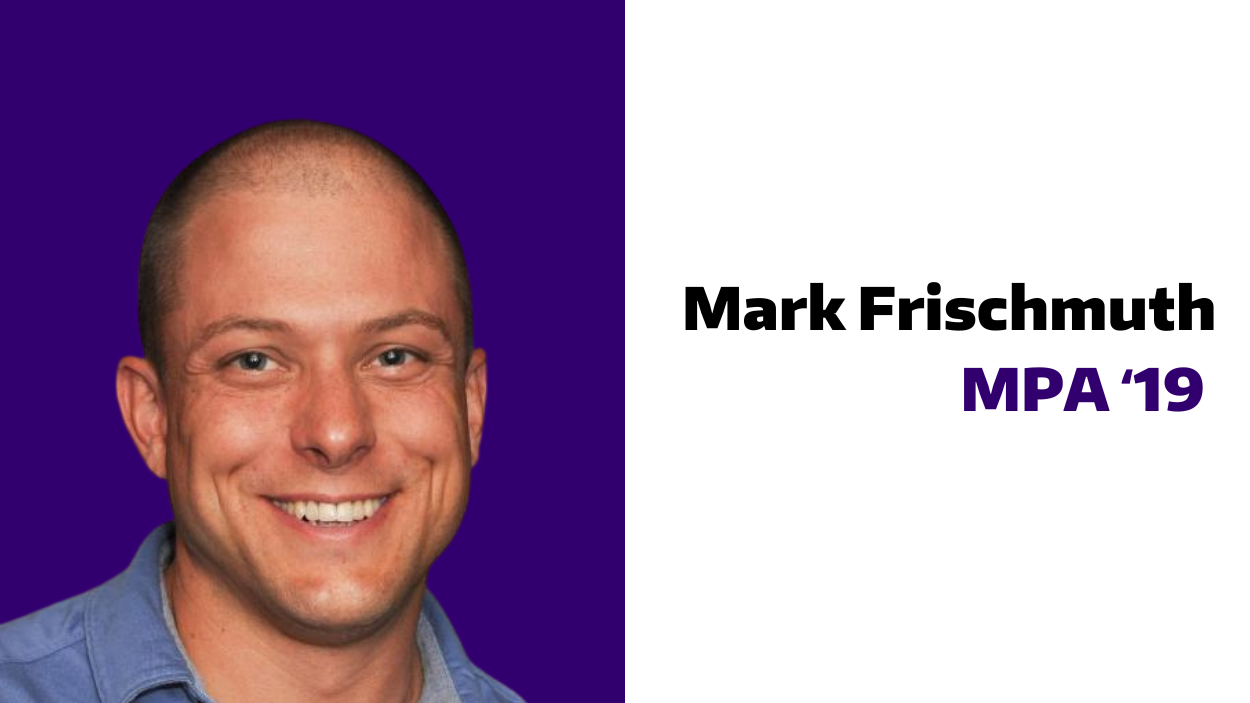
Mark Frischmuth, MPA 2019, believes that technology can help solve challenging social, economic, environmental, and civic problems while empowering all members of society. At DemocracyLab, he is building on that vision by connecting tech-for-good projects with skilled volunteers and socially responsible companies.
I have always been motivated by a search for meaning and majored in philosophy as an undergraduate. Two sources of meaning I have found are authentic personal relationships and contributing to the public good. A spark of insight the day after the 2004 Presidential election motivated me to explore how technology could be used to crowdsource public policy by mapping connections between the values people believe, the objectives they seek to accomplish, and the policies they would like to see implemented. It was from that exploration process that I formed DemocracyLab in 2006, and it began a long journey that eventually led me to the Evans school and my full-time dedication to advance public interest technology.
DemocracyLab empowers people who use technology to advance the public good by connecting tech-for-good projects with skilled volunteers and socially responsible companies. Our platform and programs help tech-for-good projects to launch without funding, volunteers to upskill and advance their careers, and companies to build cultures of purpose. DemocracyLab is a volunteer-driven organization and thousands of hours of volunteer labor have been contributed toward the research, design, and development of our open-source online platform. I spend time every day coordinating volunteer efforts, engaging with current and prospective partners, reaching out to companies to solicit employee engagement opportunities, and building relationships with prospective funders.
Our world and our communities face many very difficult problems. Many of these problems were created by systems that exploited people, land, and resources for profit. I believe that addressing these problems will require the voice, perspective, and talent of as many people as possible. I believe an extroverted culture of inclusion leads to diversity, and that open-minded and respectful teams of diverse people can create communities and products that advance equity. I have experienced much personal privilege in life, and feel a responsibility to use that privilege to create greater equity at whatever scale I can.
One of the most important effects of DemocracyLab’s work is that it increases the sense of agency of members of our community. We help people recognize that they have something valuable to contribute to solutions to public problems, and, that their response to these problems is within their control. The infrastructure that DemocracyLab creates has positive impacts on many other problems in society. By activating skilled volunteers and encouraging them to contribute their talents, we make it possible for organizations addressing a host of other issues to pursue their missions more effectively.
While the Evans classroom instruction was invaluable, I found my interactions and conversations with my classmates to be the most impactful aspect of my Evans experience. The diversity of backgrounds, experiences, and perspectives of my classmates helped me better understand my own worldview and challenged me to think more broadly. The education I received at Evans helps me see my work in the larger context of society and to better understand the complex range of stakeholders whose engagement is important to the success of my work.
A book I read long ago that stuck with me is Ken Wilbur’s A Brief History of Everything, where he made some very interesting points about systems thinking. The biggest takeaway for me was that any particular thing can be understood simultaneously as a whole, as a sum of its parts, and as a part of a larger whole.