Explore ways to recruit and onboard Evans School talent.
Author: walw
Connect with Students
Partner with us to develop a tailored recruitment plan.
Graduate Internships
Expand your capacity and accelerate your team’s impact.
Student Consulting Lab
Solve your most complex problems with student consulting teams.
Providing Aid in Moments of Need: Warren Acuncius, MPA ’07
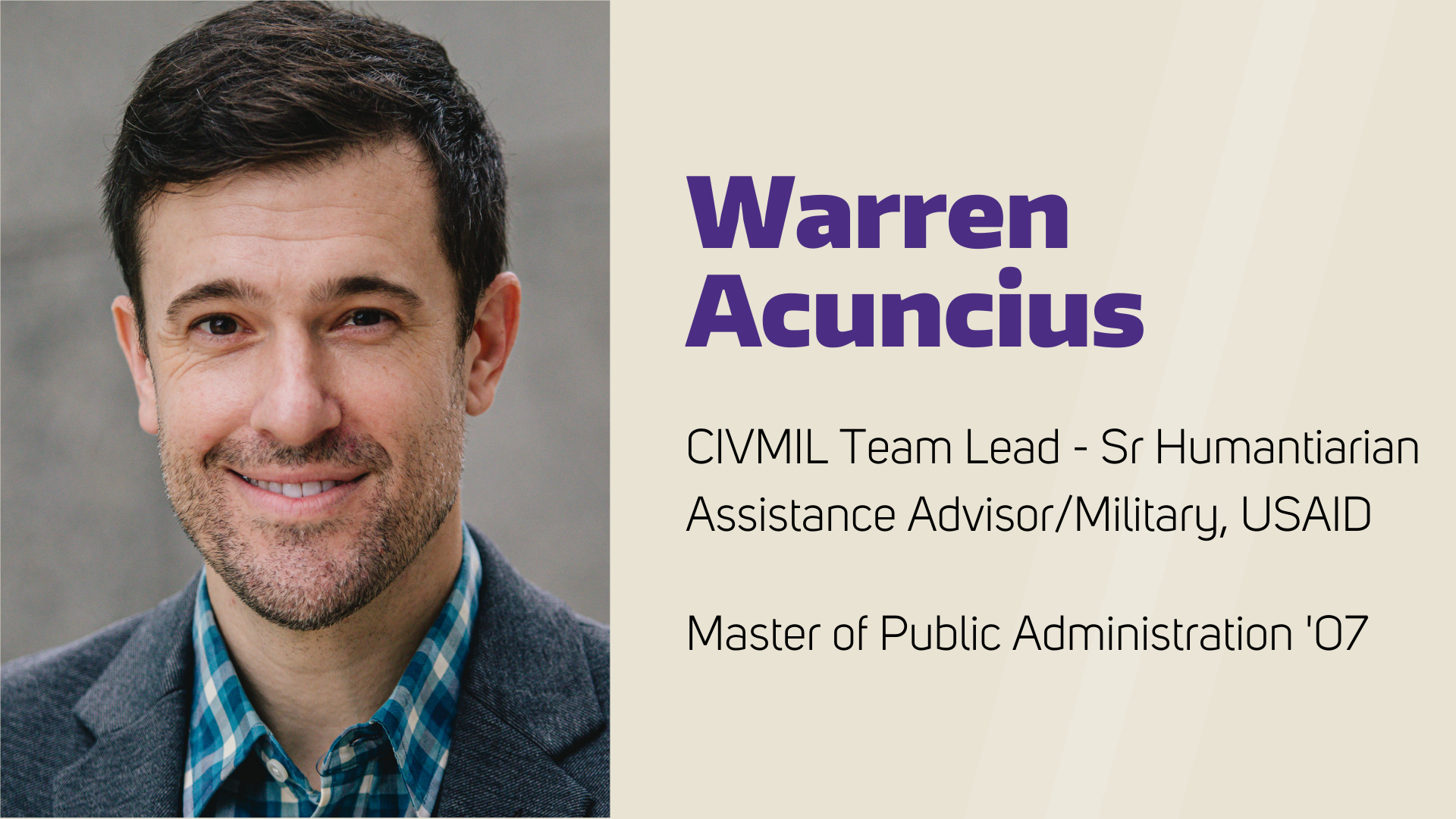
Can you share a bit about the work you are currently doing and what a typical day in your job looks like?
I work for the United States Agency for International Development’s Bureau for Humanitarian Assistance (USAID/BHA). Recently, this was called the Office of US Foreign Disaster Assistance or “OFDA”, and has been the lead humanitarian arm of the US Government (USG) for over 55 years. BHA provides life-saving humanitarian assistance—including food, water, shelter, emergency healthcare, sanitation and hygiene, and critical nutrition services—to the world’s most vulnerable and hardest-to-reach people. My specific position as a Humanitarian Assistance Advisor works at a policy level in Washington, D.C., an operational level at US Military Commands, and tactically as part of disaster assistance response teams (DART) in the field during USG foreign disaster relief efforts. My work is done before, during, and after a humanitarian crisis to appropriately integrate USG interagency (e.g., US Military) as support to USG civilian led response in rapid onset (e.g., earthquake), slow onset (e.g., drought), and complex emergencies (e.g., civil war).
There is no real “typical” day in my job, but it is heavily “field-centric”, whether in the office or in the field. I recently moved back to Washington D.C. from Oahu, HI where I advised the highest levels of the US military and spent about 40% of the time traveling in the South Asia, East Asia, and Pacific regions. My new team lead position in Washington D.C. focuses on international disasters in South Asia, the Pacific, Latin America, the Caribbean, and North America. While much of my day-to-day work is focused on enabling our field offices around the globe to integrate disaster risk reduction efforts, BHA also responds to approximately 60-70 international crises a year, globally. This is done through funding to NGOs and international organizations, by providing commodities to alleviate disaster related suffering, and by deploying to coordinate USG crisis response efforts on the ground. Most recently I was in Lebanon after the 2020 explosions and have also deployed and/or supported efforts in Liberia, Nepal, Micronesia, Yemen, Syria, Iraq, South Sudan, Ethiopia, and more.
Much of my career has been spent focusing on the civilian-military nexus, where US military supports civilian led USG humanitarian efforts. I spend much of my time teaching classes to US and international military personnel, playing in military exercises, and supporting humanitarian crises. When I am on the ground my job requires strong communication skills, an ability to coordinate with various professional cultures, and I work to build advocacy amongst the whole international humanitarian community. While I work for the USG, I advocate for (and try to protect) the core humanitarian principles that guide organizations like the United Nations, Red Cross Movement, and non-governmental organizations working in the humanitarian field.
While on deployment my time may be spent assessing the impacts of a disaster to determine appropriate use of US tax payer funded aid. I might be on the tarmac loading a helicopter with commodities headed to those in need. I could be identifying and moving NGOs who must get to remote locations to work. Everything is based on the assessed need in the moments we are there.
So, today may be catching up on email, but tomorrow I may be deployed to remote locations around the globe to help those most in need. It is exciting and rewarding and I can not imagine a better career.
What contributed to your decision to pursue a career in support of the public good? Was there a defining moment in particular?
There is nothing more professionally (or personally) rewarding than seeing your “blood and sweat equity” going to help people truly in need. As broad categories, my work and personal travel have encouraged me to pursue a career dedicated to the public good. How that ended up taking shape through international disaster relief is more a series of random experiences than one defining moment.
Along the continuum of events that have played a role, I strongly associate the following life changing events: Independent travel, working in challenged international communities, working in disaster settings, refining my academic rigor (Evans School and Hopkins), supporting various Federal missions that ultimately had little to no impact, and being in the right place at the right time. Each of these is a story in and of itself that I would happily share over a beer or whiskey.
If there was one thing you’d want everyone to know about your work, what would it be?
There are MANY things I wish everyone knew about the field of humanitarian assistance, but if I had to pick one thing initially, I would ask people to realize the dedication and importance of those that choose humanitarian assistance as a career. I’m not speaking about my “cushy” government job, but the real humanitarians who work in the field for months and years at a time and accept physically and emotionally taxing work in unstable and often dangerous environments, often with nothing more than their ability to communicate and advocate for humanitarian principles. This work can be rewarding, but it can also be endlessly disappointing, as we see protracted crises increasing, not decreasing, globally.
I want people to know about the dedication of the people who operate humanitarian organizations (like Doctors Without Borders and the THOUSANDS like it) that are made up of international and local staff dedicating their lives to helping others survive crises. If this kind of mission clicks with you, there are many opportunities out there that require dedicated and smart individuals to help them further their principled cause. I am happy to speak with anyone about places to start looking if this work sounds right for you—connect with me on LinkedIn.
Who has been your strongest influence in life? Why?
It is tough to pick one influencer in my life, but this simple fact has been a benefit to my learning and professional development. My mentors have arrived at various points in my career and life, so long as I kept my eyes open for them along the way. Some I met during my time at Evans, and others I met in the opportunities I took after graduation. Some influenced me by challenging my perspective and some pushed me by showing me things from a completely different angle. I am inclined to say that those who did not share my core beliefs pushed me further into my current field than those that did. Along the way I have selected and been chosen by amazing mentors. Never hesitate to pick up a few with each experience you have or place you work. Just remember to pay it forward. When someone helps you along the way, you must turn around and help those who were once in your shoes. I will also say that finding mentors is a life-long journey that should never stop.
Looking back on your Evans School experience, what stands out as the most impactful aspect and why?
While the Evans school’s dedicated faculty are wonderful for imparting knowledge, it is the environment they create that has most informed my perspective. Classes where student discussion was core to understanding various perspectives built on experience and academics. Patient and wonderfully insightful people like Leigh Anderson and Margo Gordon invested seemingly endless amounts of time and were willing to field never ending questions and provide encouragement along the way. To this day, I still pester Leigh whenever I get the chance, and she graciously accepts me in when I knock on her door. She was a huge help in getting my (once Evans School and now) Jackson School Humanitarian Aid & Disaster Relief course off the ground!
What is your favorite podcast these days? What is a great book you have read recently? Or the “GOAT” (greatest of all time) book you’ve read?
I haven’t found the time to add podcasts to my “to do” list and instead opt for books on “tape” and on kindle (a must for anyone who travels extensively). Aside from the more academic books on humanitarian assistance (e.g., Empire of Humanity, Humanitarian Ethics, Emergency Sex and Other Desperate Measures), I recently finished Dark Matter, Spillover, Educated, and How Everything Became War and the Military Became Everything. Right now, I am reading a kind of humanitarian “choose-your-own-adventure” titled, “Decision Making in Disaster Response.”
My favorite books of all time are the Count of Monte Cristo, Hot Zone, and The Agony and the Ecstasy. Ok, I love Jurassic Park, too.
How does your Evans education impact how you approach your work today?
My Evans education reminds me of how far I have come since the days before picking my career. It was in the Evans School lounge that a classmate said to me, “Ya know what would be cool? A career in disaster response.” My brain almost exploded. This new idea would eventually focus my efforts at Evans to get into the field I am in now. The school provided me a platform to ask questions, challenge perspectives, and learn from everyone in my immediate vicinity. Sometimes I was provided answers, and others times I was simply encouraged to dig more into the field with the guidance of my advisor. Education at Evans is not simply about the academic rigor, but may be MORE about the opportunity to network, ask questions, challenge beliefs, and develop your own perspective. I thought my graduate degree would be about what professors told me. Instead it was about the space they created for me to learn from them, my peers, and myself.
It is my gratitude for what I have gained through Evans and the UW that brings me back to teach (hopefully) the next generation of humanitarians. My experience has made me a Husky for life. Go Huskies!
We’d love to learn more about you and your tremendous contributions to the public good, so we can share your story as we connect, learn, and reflect. Share your story!
Dean’s Forum: Leading and Managing Anti-Racist Organizations
At the heart of the Evans School’s mission is a call to host community conversations that support and inspire public leaders, and our Dean’s Forum events have focused on the intersection of race and public policy. The series continued with a live conversation between Dr. Susan Gooden, Dean of the L. Douglas Wilder School of Government and Public Affairs at Virginia Commonwealth University, and Dr. Jodi Sandfort, Dean of the Evans School of Public Policy & Governance at the University of Washington, as they discussed ways to advance anti-racist public administration and management.
Speakers
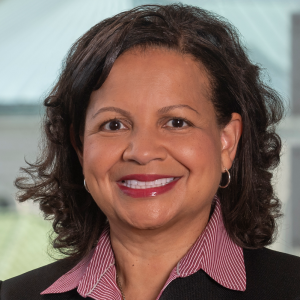
Susan T. Gooden, Ph.D., is dean and professor of the L. Douglas Wilder School of Government and Public Affairs at Virginia Commonwealth University. She is an internationally recognized expert on social equity. Gooden is an elected fellow of the congressionally chartered National Academy of Public Administration and is past president of the American Society for Public Administration.
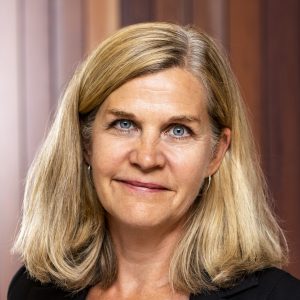
Dr. Jodi Sandfort joined the Evans School of Public Policy & Governance as dean in January 2021. Formerly a professor at the Humphrey School of Public Affairs, University of Minnesota, her work focuses on improving the implementation of social policy, particularly those policies designed to support low-income children and their families.
Event Recording
Conversation Resources
Continuum on Becoming an Anti-Racist Multicultural Organization Crossroads Ministry
How to Be an Anti-Racist Ibram X. Kendi
Stamped from the Beginning Ibram X. Kendi
Equity and Empowerment Lens Multnomah County Office of Diversity & Equity
20th Annual Social Equity Leadership Conference National Academy of Public Administration
Not Even Past: Social Vulnerability and the Legacy of Redlining The Digital Scholarship Lab and the National Community Reinvestment Coalition
Vaccination Equity in Virginia Research Institute for Social Equity (RISE) at the Wilder School, Virginia Commonwealth University
Plessy v. Ferguson and the Legacy of “Separate but Equal” After 125 Years Russell Sage Foundation
Racial Restrictive Covenants The Seattle Civil Rights & Labor History Project
A Rubric for Evaluating Team Members’ Contributions to an Inclusive Culture Chelsea Troy
Advancing Equity through Targeted Universalism: Liz Tennant, MPA ’85
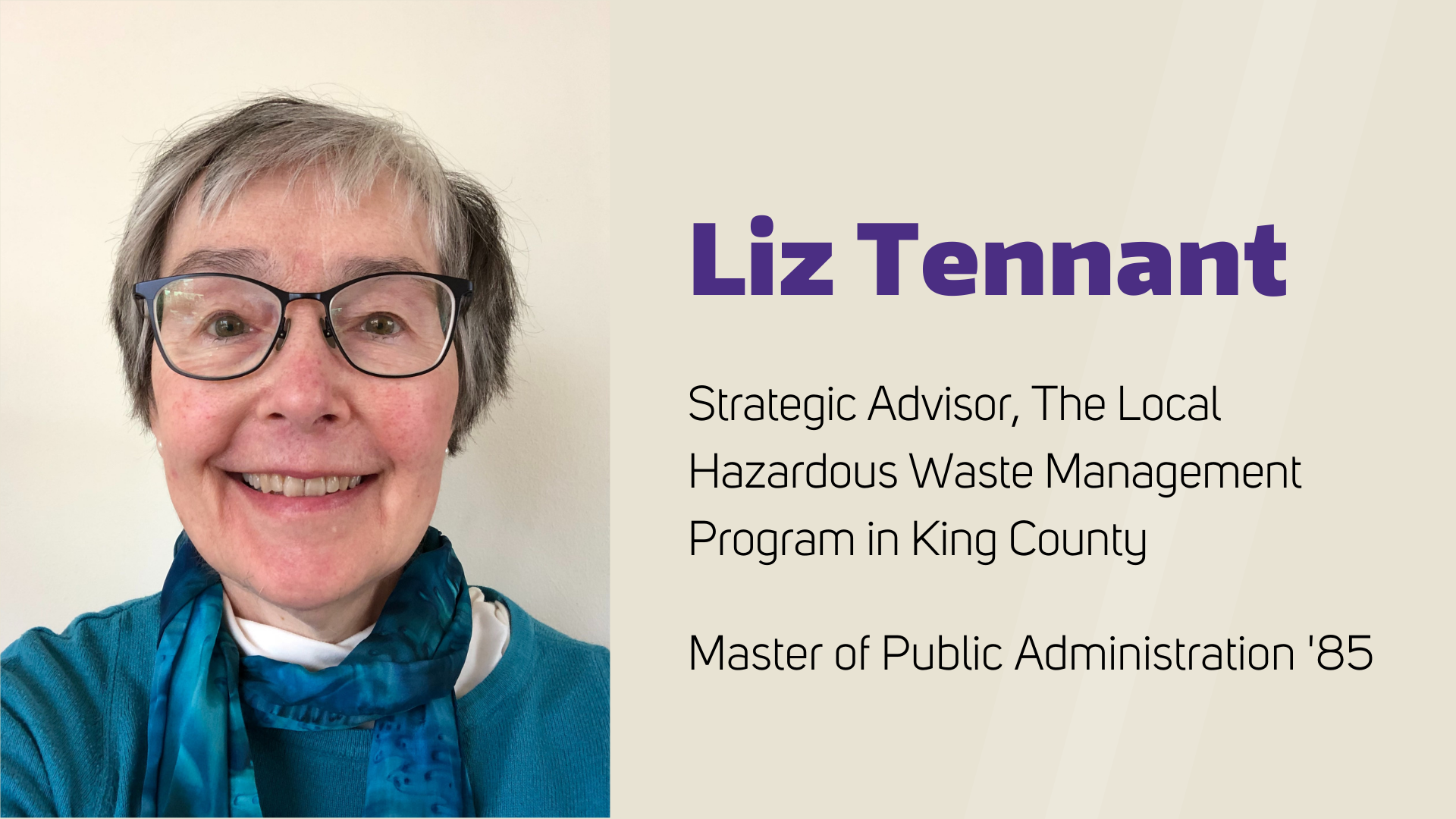
What contributed to your decision to dedicate your career to serving the greater good?
For as long as I can remember I have had a strong drive to serve the greater good. I explored a couple of different paths before deciding to work on protecting public health and the environment.
Before retiring from an extensive career with the Local Hazardous Waste Management Program in King County, you were involved in creating the program’s racial equity strategic plan and program. How did you address this critical work?
The Hazardous Waste Management Program (Haz Waste) is a regional program in King County that works to prevent human and environmental exposure to hazardous materials and products. Program partners include Public Health, Seattle & King County, King County Water and Land Resources Division, King County Solid Waste Division, Seattle Public Utilities, 37 cities and towns and two tribes. Haz Waste has been working since 1990 to provide relevant and effective services to King County’s 2.1 million residents and 60,000 businesses. I served as Strategic Advisor to the Program Director.
The planning process:
For over 20 years, Haz Waste partnered with the City of Seattle Public Utilities (SPU) to integrate environmental justice and service equity in Haz Waste programs and services. It became increasingly clear that we needed to approach this work more holistically, thoughtfully, and strategically. In 2017, Haz Waste and SPU’s Environmental Justice and Service Equity Team launched a joint planning effort to improve Haz Waste’s operations, policies, practices, and services. The Director and I were on the planning team.
- During Phase 1 we worked with our multi-jurisdictional Management Coordination Committee (MCC) to develop a racial equity vision for the Haz Waste Program and for each function and service. We gathered feedback from Haz Waste staff and other stakeholders and refined the vision. During this same period, we gathered information, reports and data on racial equity initiatives and performance and gathered the perspectives of staff on multi-agency program teams, project managers, agency managers and Haz Waste managers. We also gathered information about best management practices in each area.
- During Phase 2 we conducted a gaps analysis, and identified gaps, needs, challenges and opportunities in each project area. We developed initial recommendations. We expanded the Racial Equity Planning Team in 2018 to help refine the recommendations and develop SMART goals for their topic areas. High level observations were shared with staff, the Leadership Team and MCC.
- During Phase 3 recommendations were refined and finalized in two separate but related documents: 1) a Racial Equity Strategic Plan, which sets the strategic direction and provides a high-level summary of key steps that Haz Waste will take to advance racial equity and 2) A Racial Equity Implementation plan which describes key actions that Haz Waste will take over the next three years to promote racial equity in our services and operations. It is an internal guidance document. These documents were shared with staff and iterated with them. The final documents were adopted by the MCC on October 16, 2018.
Key strategies:
The Plan commits Haz Waste to lead with racial equity by implementing a racial justice framework to address root causes and eliminate inequities in how the program operates and in the services it delivers. Key strategies for doing this included:
- Adopting a Targeted Universalism approach that recognizes that different populations in King County face different barriers in accessing and benefiting from Haz Waste services, and by working with communities to identify and implement targeted programmatic efforts.
- Defining racial equity commitments, performance goals and performance measures in each program area and function; building those into annual work plans for each area; and reporting on quarterly progress.
- Involving community-based organizations and community members at every step of the process to update the Program’s State-Adopted Management Plan. This community centered planning process that centers voices of underserved and overburdened communities including Black, Indigenous and other people of color, refugees, immigrants and other marginalized residents and workers.
- Committing to the development of a performance measurement system that uses Results Based Accountability using a racial equity lens.
- Hiring a full-time Racial Equity Manager to ensure accountability.
Key learnings:
- Be flexible. Plans give you a place to start and a framework for being accountable. It is important to establish your goal and work plan as clearly as you can. That said, you probably will need to accept that things move more slowly than you want, and that you will need to adapt and modify as you go along. For example, almost immediately after adopting the plan, we realized that we needed to establish cross-program work teams to advance work in four important areas. Getting these off the ground took longer than we anticipated.
- Look for where your program can help to address root causes of disparities. Look for opportunities to partner with others to leverage resources to have greater impact.
- Approach racial equity work with an open mind, curiosity, humility, and kindness. We are all in this together and need to work together to undo unjust procedures, laws, and systems. Try things out, learn from them and allow for imperfection
- Look for opportunities to keep growing and learning in your individual understanding of racial equities and through the Evans School, your work and in the community.
What is the biggest challenge you have had in your career and how did you address it?
Probably the biggest challenge was being appropriately classified and compensated for the work I was doing. I loved the work I was doing and it took me a number of years—and a supportive boss—to finally be paid at the level I should have been. I am glad that women are more vocal about getting fair pay these days.
What are your favorite podcasts? What is a great book you have read recently?
I have several favorite podcasts that I listen to. Among my favorites are:
- On Being with Krista Tippett, who interviews widely ranging thinkers, theologians, community activists, scientists, civil rights leaders, poets and others to think through how we best navigate these times we live in.
- The Daily with Michael Barbaro of the New York Times, who interviews knowledgeable New York Times reporters on key issues in the news.
- Throughline, which I have come to recently. It traces how issues we are facing today have roots in the past, with significant focus on racial disparities.
I enjoy reading a variety of books. One great book I read recently is Native Seattle: Histories of the Crossing-Over Place by Coll Thrush. It is about Seattle area tribes, settlement and the ongoing interaction of settler and tribal lives economies and stories.
What inspires you to support your alma mater and our incredible students?
I think the Evans School does a wonderful job of training people in public administration and public policy. We need smart, thoughtful people with good analytical skills to help address the problems in the world. I am particularly excited to be able to support students of color. I think it is hugely important to continue to diversify the workforce.
If you could give Evans School students one piece of advice, what would it be?
Focus your assignments in required courses on questions/issues that will help you to grow in your particular area(s) of interest. Also, look for courses throughout the UW that will enrich your understanding of your area of interest. Have a wonderful education!
We’d love to learn more about you and your tremendous contributions to the public good, so we can share your story as we connect, learn, and reflect. Share your story!
Evans Welcomes New Faculty Members in Autumn 2021
The Evans School is proud to welcome two new faculty members to the Evans School community for the 2021-22 academic year. Dr. Sebawit G. Bishu and Isabelle M. Cohen are both highly accomplished scholars and educators who will significantly enhance the Evans School’s offerings and add great vibrancy to the Evans School community.
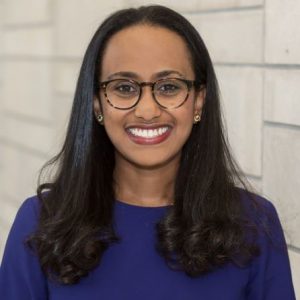 Sebawit G. Bishu, Ph.D.
Sebawit G. Bishu is currently an Assistant Professor at the University of Colorado Denver, School of Public Affairs. She also holds a non-resident fellow appointment at Harvard Kennedy School of Government, Women and Public Policy Program (WAPPP).
Bishu’s research centers around making government effective and equitable through conscious and ethical public management practice. Her work aims at understanding and improving the circumstances under which government provides equitable opportunity to all its workforce and equitable service outcome to citizens. Bishu is passionate about improving women’s and racial minority group’s participation in decision-making roles in government in Africa and the United States.
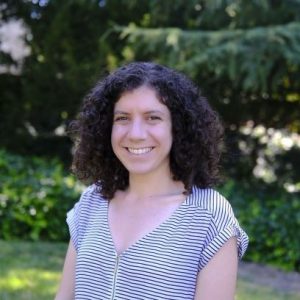 Isabelle M. Cohen
Isabelle Cohen’s research focuses on understanding technological and organizational innovations in developing countries. She partners with governmental and non-governmental organizations to rigorously evaluate new programs, policies and procedures, using tools such as randomized evaluations, administrative data analysis, geocoding and machine learning techniques. Much of her current research is focused in Uganda, although she has worked and done research in many other countries, including India, Peru and Greece.
Cohen will receive her Ph.D. in Economics from the University of California, Berkeley in May 2021. She received her Master’s in Public Policy from the College of William & Mary in 2012, and her B.A. in International Relations from the same university in 2011.
Many thanks to the dedicated work of the Search Committee Chairs and all who served on the search committees for their careful reviews, engaged participation, and generous welcome toward the candidates.
Politics and Public Administration: Dan P. Young, MPA ’70
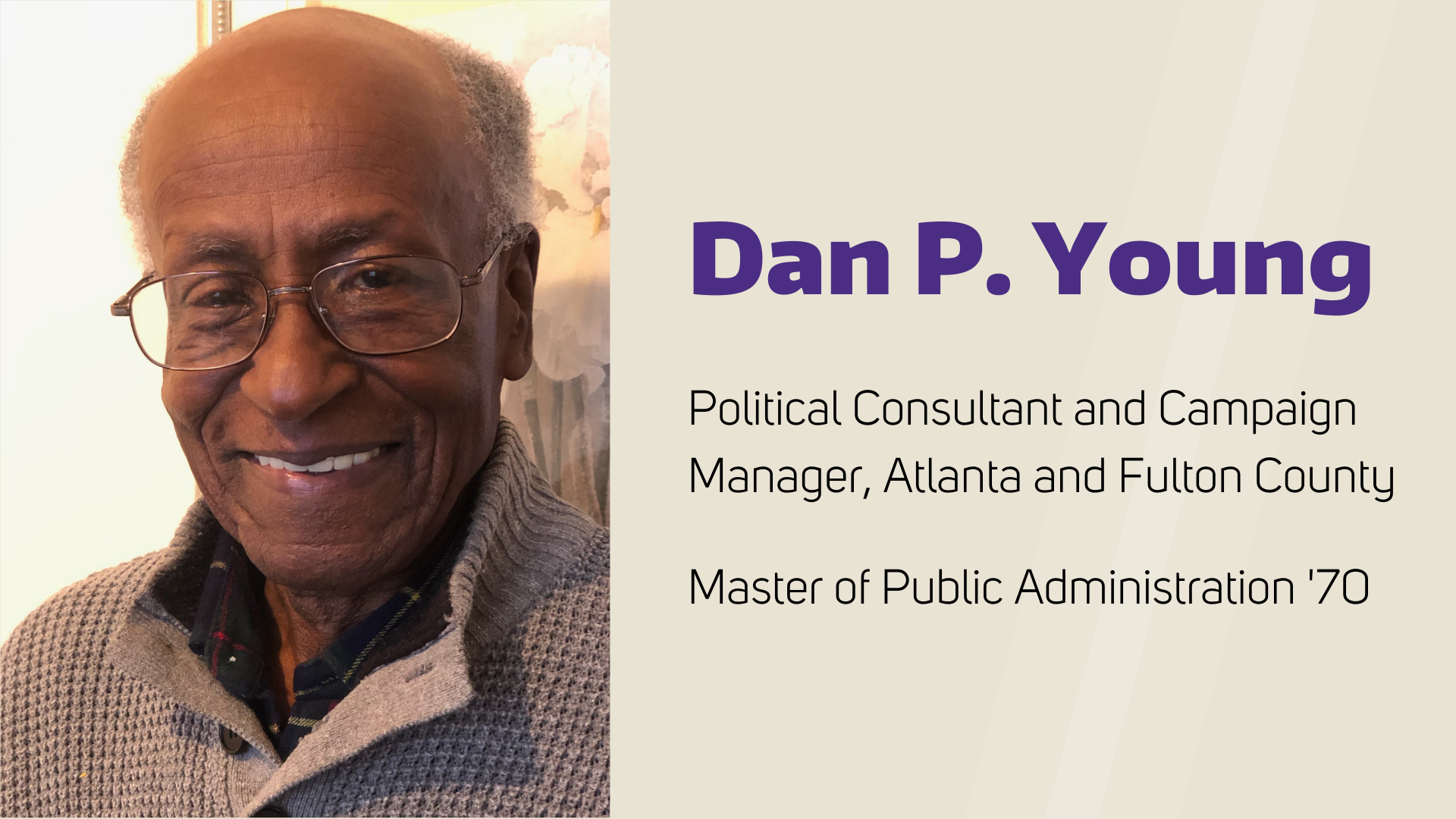
What would you consider one of your greatest professional successes?
My greatest professional success was that of having a significant role in the funding, design and implementation of a new Master of Public Administration program at Atlanta University, Atlanta Georgia. Prior to joining the faculty at Atlanta University, I held the positions of Assistant Professor in political science at Benedict College (Columbia, SC) and Xavier University in New Orleans, LA. Each of these institutions are identified as “Historically Black Colleges & Universities” (HBCUs). This description applies to private and public black colleges and universities.
I attended a professional conference of Black political scientists while on the faculty at Xavier University. One of the attendees was chair of the Department of Political Science at Atlanta University. As we held various group meetings discussing a range of issues, the chair from Atlanta University asked me about by academic background and the name of institutions attended. When I told him that I earned the Master of Public Administration from the University of Washington, the chair stated that the Board of Trustees of Atlanta University had approved a Department of Public Administration and had received a letter from the Federal Department of Health, Education and Welfare which stated that funds were available to fund the program, if a detailed program proposal was submitted. We continued our discussion and the next day, the chair asked if I would be interested in joining the faculty as an Assistant Professor to develop the proposed program. I told him I would discuss with my wife the offer and if she would support our move to Atlanta, GA. I told the chair the next day that I would accept the position.
I later traveled to Atlanta to make a presentation to the political science faculty and students in the existing political science program. I joined Atlanta University in 1973 for the Fall semester. I wrote the grant application and if I remember correctly, it was approved in the amount of $275,000.00.
Additional faculty were hired to teach courses described in the grant for funding. Therefore, students who entered Atlanta University to study for the MPA were taught by me and other faculty and received their MPA degrees from Atlanta University under the auspices of the Department of Political Science.
I developed contacts with a number of elected officials in city and county governments in relation to paid internships for our students at the end of their first year of study. Local government officials were excited about the opportunity to make a contribution to the program. While students did not receive academic credit for their summer internships, the experiences of working in a local government agency provided unique opportunities to participate in basic operations of these governmental units. When these students returned to Atlanta University to complete their final academic year in the program, I developed several seminars which provided an opportunity for each student to discuss their experiences.
In 1975, a chair was hired to head the new Department of Public Administration. I remained as an Associate Professor for the following two academic years. The Department of Public Administration was approved for NASSPAA Accreditation and has retained this very important accreditation to today for a period of 45 years.
What is the biggest challenge you’ve had in your career and how did you address it?
My professional career in public administration totaled 50 years in a number of settings which included teaching at the undergraduate and graduate level in colleges/universities, certified teacher in the Atlanta Public Schools, and Project Director for a research study conducted by Clark Atlanta University School of Social Work. The Clark Atlanta University School of Social Work was selected to conduct a research study which focused on Grandparents as Primary Caregivers of Grandchildren. The contract for this research study was approved by the Department of Human Resources State of Georgia.
One of the primary objectives for my professional involvement in a number of public agencies and programs, was to examine a number of strategies/pathways which would lead to integration of selected theories of public administration into administrative settings of programs. The ultimate objective was to increase their efficiency and accountability.
I decided that it would be important to become directly involved as a paid professional or possibly volunteer in selected agencies. I was also aware that some agency staff could resist and resent involvement of someone from an academic setting. The Dean of the Clark Atlanta University School of Social Work hired me as director of the research project described above. We were involved with a number of agencies in the community as part of the research project. Agency personnel were very receptive to work with staff from an academic institution. We discussed various concepts related to public administration and public policies which could benefit and improve operation of their respective programs. The research study was completed on schedule and filed with the Department of Human Resources, Division of Family and Children Services, Atlanta Georgia.
What are the most critical problems faced by people who work in your field? How do you think these problems should be handled? OR-what is an issue in public administration and how do you think this problem should be handled?
Based on my professional experience in the profession over a relatively extensive period of time, I believe that some professionals feel “isolated.” This isolation may be the result of a lack of connecting public administration and public policy decisions with some of the critical issues which administrators face. For example, public administration practice does not happen in a “vacuum.” There are complex political environments in organizations which have direct and indirect influence on the decision-making process. Persons who are in elected positions such as council members, state legislators, and county commissioners have bases of constituents who expect administrative staff to implement some of the basic policies which the now elected official campaigned on.
I reside in Atlanta, Georgia which is in Fulton County. This is a very political region in terms of why voters select certain candidates over others to represent them. Many articles and essays have been written related to the non-political aspect of managing public sector affairs. The vast majority of professionally trained persons who come from academic backgrounds in public administration and public policy, have not developed successful strategies to function in most of these settings.
I believe the origin of the problem is not in the behavior of professionally trained administrators, the problem is generally related to academic courses and professors who may dismiss any discussion of the interaction and relation between politics and the day-to-day management of a public agency as a topic which does not meet academic “standards.” I believe it is very important for graduate schools of public administration and public policy to take time and review this issue. I believe graduate students would welcome such a discussion which could be developed as part of their selected courses as they move on to become professional public administrators.
What is your favorite podcast these days? What is a great book you have read recently? Or the “GOAT” (greatest of all time) book you’ve read?
I have read dozens of books during my professional career. However, I decided a number of years ago to include in my readings books which provided clear and factual explanations related to changes in American society after the Civil War. I was particularly interested in the types political, social, and economic responses which were designed to address a wide range of policies and programs related to African Americans that were recently freed as a direct outcome of the Civil War.
A number of public systems were developed to address these needs such as the Freedmen’s Bureau, school systems and training, etc. I have selected three books related to this topic:
- W.E.B. Dubois (1934). Black Reconstruction in America- 1860–1880.
- George R. Bentley (1955). A History of the Freedmen’s Bureau
- A final publication Jacqueline Jones (1992). The Dispossessed /America’s Underclass From the Civil War to the Present.
UW and the Evans School are committed to Diversity, Equity, and Inclusion. How are you addressing Diversity, Equity, and Inclusion in your work and personal life? Or-why is DEI work so important for our society?
The American society is obviously a very complex social system. The key to DEI in such a system is to permanently remove barriers which prevents each American from full and fair participation in this society. During the past 50 years significant changes have been made to make sure that DEI works. I was very active in local civil rights activities in Seattle during the 1960s.
I was an active participant in the Congress of Racial Equality which focused on issues such as fair housing, employment opportunities, a fair judicial system, etc. There were a number of faculty and staff from the University of Washington who were very active in the organization. The collective actions of dozens of persons from a variety of racial and ethnic groups successfully worked and lobbied for a large number of changes such as employment, home rental and purchases, etc.
The University of Washington press published a book titled “Seattle in Black and White.” I am mentioned on page 95 of the book as the coordinator of the Negro Labor Council. One of the key objectives of the Negro Labor Council focused on improving opportunities for Blacks and other racial groups to obtain construction contracts. The book was published in 2011.
If you could give Evans School students one piece of advice, what would it be?
My advice to students enrolled in the Evans School is a recommendation to review their professional interests at this point in their program of studies and to identify several professional areas which they are interested in. Based on their selections, I am recommending that each student use the web and review the legislative structure of Washington State Government in relation to State Senators and Representatives. The website will provide details related to each committee and the function of that committee, etc. Once a student identifies a committee or committees which has legislative jurisdiction over one or more policy areas which they are currently studying, review the agendas and send an e-mail to the chair asking to be included in their e-mail system. This will provide opportunities for a student to follow the development of legislation and he or she will also see the role which politics has in the formulation of public policies at the state level.
I would encourage students to repeat this process with the King County Board of Commissioners. These experiences will enhance the academic courses and also show in real time how a wide range of public policies are formulated and eventually become law.
Increasing Teacher Diversity: James Bush, MPA ’10
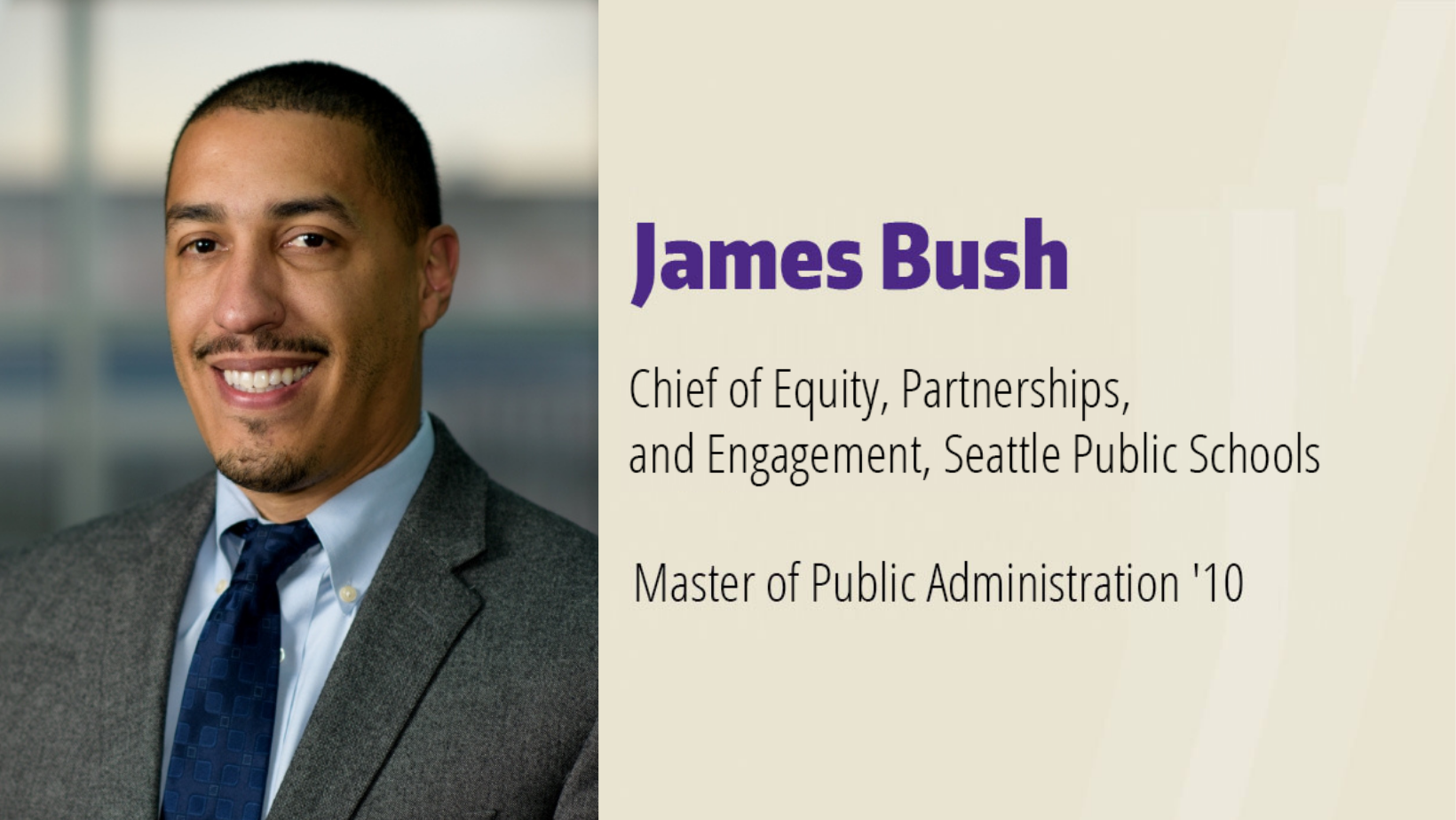
As the district’s Chief of Equity, Partnerships, and Engagement of the Seattle Public Schools, what is one way you plan to ensure racial equity throughout the Seattle School District?
As the Chief of Equity, Partnerships, and Engagement my plan is to build from the existing work of Chief Dr. Keisha Scarlett and ensure that racial equity is embedded in all district processes, policies, and plans. At its core, our plan for educational equity will center on serving students furthest from educational justice. This includes supporting other district colleagues in using our racial equity analysis tool in the development and design of district programs such as our upcoming districtwide Black Studies classes.
What is something you have been most proud of, professionally?
Professionally, I am most proud of my appointment as Seattle Public Schools’ Chief of Equity, Partnership, and Engagement.
This appointment is the culmination and recognition of years of collaborative work with local government institutions and community partners. My original Seattle Public Schools role, as the Director of School & Community Partnerships, required that I use all my skills, experience and training to lift up a variety of complex and innovative projects. As the leader of an amazing team, we were able to push the system to better understand collective impact and the need to work directly with community partners, students, and families to ensure that students had access to programs and services to help them reach their goals.
What are the most critical problems faced by people who work in your field? How do you think these problems should be handled?
One of the most pressing issues in the field of education is the lack of diversity in our educational system. SPS has taken a variety of steps to increase the diversity of our teacher ranks with the creation of SPS’s Academy for Rising Educators. Additionally, our educational systems also need to develop new pipelines to recruit and retain public policy professionals who specialize in policy design, implementation, and evaluation.
What is your favorite memory from your time at the Evans School?
I have many fond memories of my time at Evans. Working with an amazing team on my degree project, serving as a mayor’s fellow, and building community with the Evan’s People of Color. As a lifelong Seattleite and Rainier Beach / Beacon Hill resident, having the opportunity to work on a degree project that directly serves my community was an experience that was aligned to my personal and professional goals.
Who has been your strongest influence in life? Why?
I am blessed to have grown up and be supported by a variety of community leaders. I have had a village that has guided me, lifted me, held me accountable, and pushed me to ensure that I achieve my personal and professional goals.
We’d love to learn more about you and your tremendous contributions to the public good, so we can share your story as we connect, learn and reflect. Share your story!