Skip to content

Overcoming Barriers to Access Health Care The Challenges Facing Minorities and Immigrants in Washington State

Adult touches face of child wearing mask

The Challenges Facing Minorities and Immigrants in Washington State

Washington state’s BIPOC and immigrant communities face worse health outcomes and a lower standard of care compared to their white counterparts. Barriers to access, both at the individual and system levels, are the primary drivers for inadequate care and unmet needs. As a purchaser and regulator, Washington state and its agencies can exercise their authority to finance, implement, and oversee interventions to help reduce and/or eliminate systemic barriers that disproportionately affect minority and immigrant households.

In this report, Layla G. Booshehri (Associate Director of Center for Health Innovation and Policy Science) and Jerome Dugan (Faculty in Health Systems and Population Health & Adjunct Faculty at the Evans School of Public Policy and Governance) examine what Washington State can do to reduce disparities in health care access experienced by Black, Indigenous, and people of color (BIPOC) and immigrant communities.

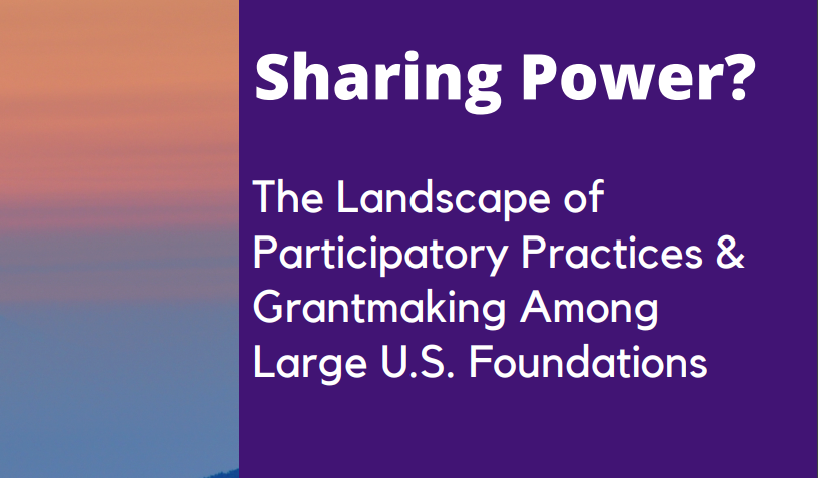
Sharing Power?

Sharing Power?

The Landscape of Participatory Practices & Grantmaking Among Large U.S. Foundations

The COVID-19 pandemic and fights for racial justice highlighted questions about whether mission-driven organizations can effectively deliver on their social impact goals without engaging with the communities that they seek to impact. Philanthropic foundations, in particular, have come under scrutiny amidst recent and growing concerns about their undemocratic nature and shrouded grant-making processes.

Philanthropic foundations in the United States hold significant power in the policy landscape, as they can both define societal challenges and determine the manner in which those challenges are addressed. The work of foundations is tax subsidized, but they are held to few standards of accountability, leading to increasing calls for foundations to shift their power to affected communities, to democratize decision-making through greater stakeholder participation, and to be more accountable to those whose lives they affect.

As part of the University of Washington Philanthropy Project, Evans School researchers Kelly Husted, Emily Finchum-Mason, and David Suárez sought to understand how large philanthropic foundations – with substantial assets and power – engage the people they serve in their governance and grant-making policies and practices. They launched a survey of the 500 largest private and community foundations in the United States between May and December 2020 to answer this question. These are their key findings:

  1. Many foundations solicited and incorporated feedback from grantees, community-based organizations, beneficiaries, and the public directly into decisions regarding governance and grant-making, but true decision-making power was rarely given to these stakeholders.
  2. The vast majority of foundations are using stakeholder participation as a way to increase their innovativeness and effectiveness rather than to share power, despite the fact that rhetoric surrounding these practices is focused on breaking down power silos.
  3. For the largest foundations in this country, the primary impediment to stakeholder participation was a perceived lack of time and capacity to implement, despite the sheer volume of assets that these foundations wield.

By learning more about grantmaking practices that are currently in place, the motivations for using these approaches, and the key challenges to incorporating stakeholder participation, researchers hope to lower the barriers that some foundations may face in making stakeholder participation an integral part of their governance and grant-making.

Greater accountability from philanthropic foundations represents an important step to a more equitable future. When large, powerful foundations listen to those they aim to benefit, they can more effectively direct their giving in ways that align with community needs.

About the UW Philanthropy Project

The UW Philanthropy Project is a multiyear research program seeking to understand the many important roles that philanthropic foundations play in American society.

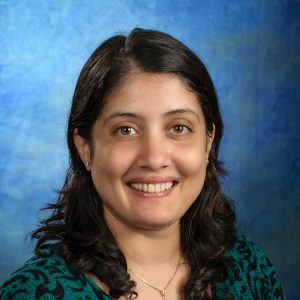
Maternal Cash Transfer’s Impact on Child Nutrition: Vedavati Patwardhan, Ph.D. ’21

UW Evans School Ph.D. Candidate Vedavati Patwardhan was recently awarded a grant from the Horowitz Foundation for Social Policy for continued research on the impacts of providing cash assistance to pregnant and nursing mothers on children’s nutritional status in India – an important indicator for their future life success. We discussed how her work will be crucial in understanding how maternal cash transfer programs can have the most impact in low- and middle-income countries, both in how they are designed and implemented, so that those most in need receive the intended benefits.

“Cash transfer schemes are a popular policy tool in many low- and middle-income countries, and programs specifically targeting pregnant and lactating mothers are also gaining popularity…

My findings of the cash transfer program’s impact in Odisha, India speaks to the importance in design of these cash benefit schemes and who benefits in the long-run.”

What inspired you to research the effectiveness of cash assistance for pregnant and nursing mothers in India?

The first 1000 days of life provide a crucial window of opportunity in shaping a child’s future health. So, cash benefits that target mothers during pregnancy and lactation have a high potential to improve child nutrition. In 2017, the Central Government of India launched a national maternal cash benefit scheme, but the Mamata Scheme, which is a state-level program, was a precursor to the national program by 7 years. This inspired me to analyze the effect of maternal cash benefits in India, and the Mamata Scheme in Odisha in particular.

Malnutrition is a large global problem and India accounts for the largest burden of child undernutrition worldwide despite rapid economic growth following economic liberalization. In 2016, the India National Family Health Survey found that 38% of Indian children under the age of 5 had a low height-for-age, (stunting), and 21% suffered from a low weight-for-height (wasting), meaning more than 70 million children had indicators of malnutrition.

Why is it necessary to focus on program assistance to mothers specifically versus the whole family?

Research shows that women’s economic empowerment is linked to a positive effects on a household’s food security, children’s nutrition & health, and education. There are several female-centric policies in low and middle-income countries like India, and the underlying rationale for this is evidence showing that women spend money differently than men, resulting in better children’s outcomes and second, that these policies also empower women. Specific to cash transfers, providing cash assistance to mothers has been linked to higher female autonomy within the household.

Turning to interventions targeting pregnant and nursing mothers: these are important, as poor maternal health has adverse consequences on child mortality and nutrition, and women in low- and middle-income countries often face barriers to access crucial maternity care services. Increased financial resources in the hands of mothers may improve their ability to exercise preferences, reduce poverty related stress, and improve physical and mental conditions.

Given the current context of COVID-19’s tremendous impact in India, why do you think this research is vital, particularly now?

The COVID-19 pandemic has greatly exacerbated India’s nutrition challenges. The government’s health and development centers (Anganwadis) were closed, and closed schools meant no midday meals. Economic insecurity has been a double whammy, with rising food prices and job losses forcing people to cope by reducing the quality and quantity of meals. Analyzing government policies such as cash transfers is important to understand the extent these programs mitigate adverse nutritional effects for children in the aftermath of an economic shock.

Are there any general results or themes you are already seeing that you’re able to share?

I find that being eligible for the Mamata Scheme improves some, but not all measures of child nutrition. Children’s weight-for-height and weight-for-age improved after the Mamata Scheme, but, notably, I do not find significant improvements in children’s height-for-age, which is considered a more reliable wellbeing indicator in early childhood. I also find that children in poorer households benefit significantly less than those in wealthier households, suggesting that marginalized populations may be having difficulties with participating in the program.

What do you hope the results from your research will provide for India, as well as other low- and middle-income countries?

Cash transfer schemes are a popular policy tool in many low- and middle-income countries, and programs specifically targeting pregnant and lactating mothers are also gaining popularity (e.g. Indonesia’s Keluarga Harapan, Nicaragua’s Red de Proteccion and the Child Development Grant in Nigeria). The introduction of the national maternal cash benefit scheme in India 2017 signals the rising popularity of these schemes in the Indian context as well.

My findings on the impact of the Mamata Scheme speak to the importance in design of these cash benefit schemes and who benefits in the long-run. Policymakers may wish to pay special attention to whether the universal nature of the scheme (i.e. not selecting beneficiaries based on income) needs modification. Also, further research is needed to understand whether program conditions (women needing to fulfill a set of ante and prenatal care conditions to receive cash) restrict access for marginalized groups. The results are also a reminder that investments in complementary factors such as maternal education, access to clean water, sanitation, and health care are crucial in addition to maternal cash benefit programs.

Evaluating Earned Income Tax Credit (EITC) Policies Potential for Violence Prevention

Blocks spell out tax on desk next to coins and a calculator

Fact Sheet Outlines Health and Safety Implications of EITCs

The federal earned income tax credit (EITC), the largest cash transfer program for low-earning workers in the United States, is an economic policy intended to reduce poverty. Each year, the EITC program provides earning subsidies in the form of tax credits to certain workers based on their pretax earnings, marital status, and number of children.

A multidisciplinary team of researchers with the University of Washington Department of Epidemiology and Evans School of Public Policy and Governance investigated the EITC program an its affects on the rates of multiple types of violence, including child maltreatment, suicide, and intimate partner violence. It is plausible that a tax credit for low-income families could affect violence by improving family income and economic security, which could then lead to less stress, material hardship, and exposure to neighborhood violence.

The results of this investigation are summarized in the EITC & Violence Prevention Fact Sheet.

Researchers find that a 10 percentage-point increase in the generosity of state EITC benefits was associated with:

  • a 9% decline in child neglect
  • a 5% decline in child maltreatment
  • a 4% decline in suicide attempts
  • a 1% decline in suicide deaths

(all per year)

Researchers did not find an association between EITCs and intimate partner violence, but they note some restrictions that make it difficult for victims of IPV to receive the EITC.

These findings have policy relevance right now because there are similar programs being discussed and expanded.  At the federal level, the stimulus package passed in February included an expansion of the child tax credit.  Like the EITC, that credit provides income support to low- and middle-income families.  The expansion was temporary but the Biden budget just released includes funding to make it permanent. At the state level, Washington finally funded our own EITC, the Working Families Tax Credit, after not being operational for many years.  There are other states that do not have an EITC or have an EITC program that does not benefit low-income families at the levels it could.

Through this investigation, researchers aimed to broaden our scientific understanding of the benefits of providing income support to low-income families, and hope that it will influence state and federal policymakers to think about the potential for providing income support.

This fact sheet was developed by Ali Rowhani-Rahbar (PI), Heather Hill, Steve Mooney, Frederick Rivara, Caitlin Moe, Nicole Kovski, Erin Morgan, and Kim Dalve. Funding for this research was provided by Cooperative Agreement Award U01CE002945 from the Centers for Disease Control and Prevention.

Learn more about the fact sheet

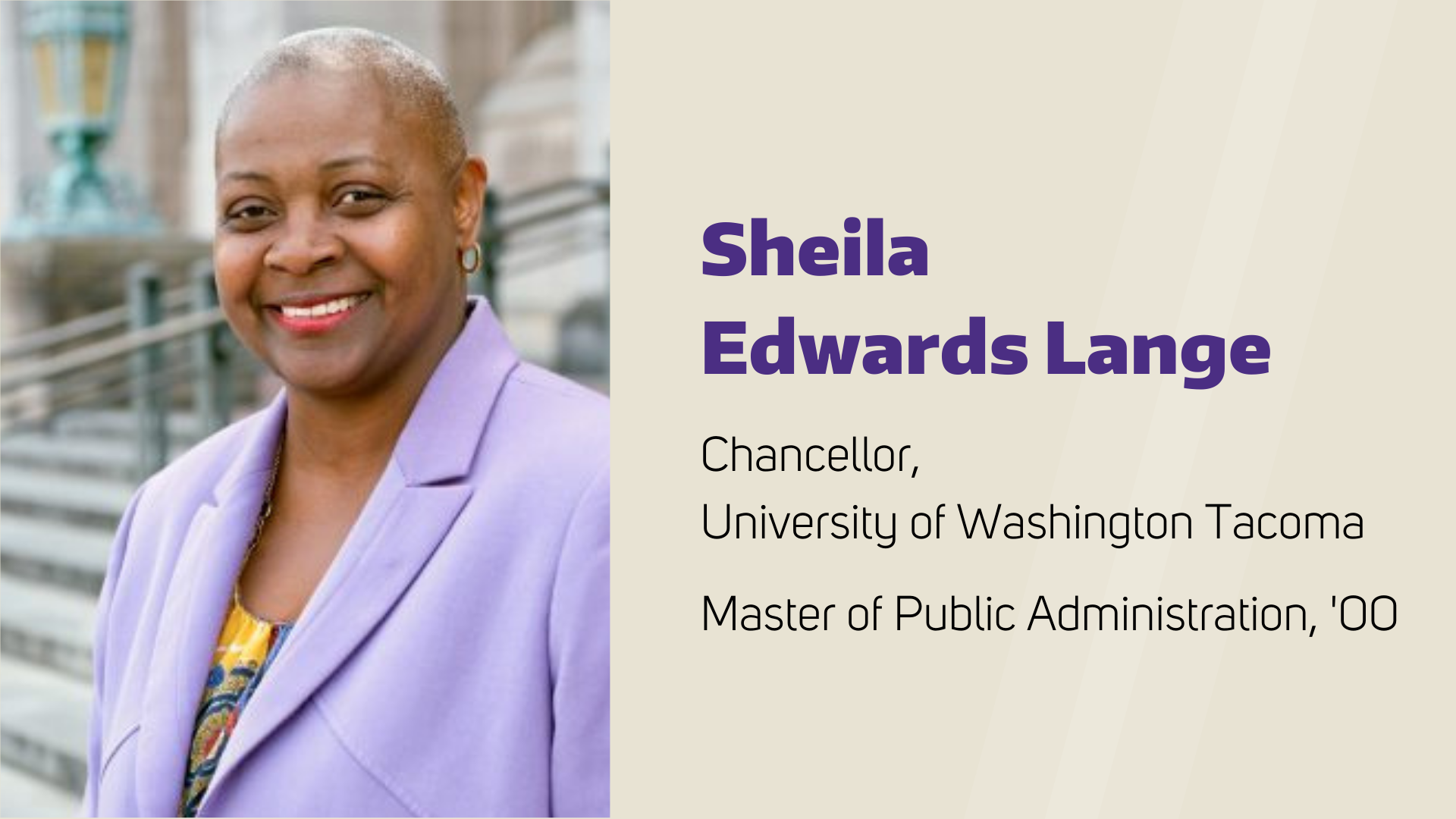
Sheila Edwards Lange, MPA ’00, Selected as UW Tacoma Chancellor

Sheila Edwards Lange

University of Washington President Ana Mari Cauce and Provost Mark A. Richards announced the selection of Sheila Edwards Lange, president of Seattle Central College, as chancellor of the University of Washington Tacoma. Her appointment, pending approval by the UW Board of Regents, is set to begin September 16, 2021.

Edwards Lange has many years of experience in higher education and she is well known throughout the UW, having served as the vice president for Minority Affairs and Diversity from 2007 to 2015. As president of Seattle Central College, Edwards Lange leads all college operations, including instruction, student services, fiscal resources, human resources, facilities and community relations. She works closely and collaboratively with leadership across the Seattle College District to ensure students receive high quality and responsive education and services.

“I was attracted to UW Tacoma’s urban-serving mission, commitment to equity, diversity and inclusion, and its stellar academic programs. That unique combination has enabled UW Tacoma to be an active partner in economic development and prosperity in the South Sound,” Edwards Lange said. “I am excited about being part of this work and look forward to leading the institution at this critical time in its history.”

Edwards Lange earned her doctorate in educational leadership and policy studies, as well as her master’s in public administration – from the Evans School of Public Policy & Governance in 2000 – and her bachelor’s degree from the University of California, Irvine. She began her career at Western Washington University, before taking on leadership roles at Seattle Community Colleges. While earning her doctorate at the UW, she developed research and teaching interests in higher education policy, diversity in higher education, assessment and program evaluation, and underrepresented student access STEM fields. She taught a graduate level course on race and public policy for several years in the UW Evans School.

Leading COVID-19 Response in a Conflict Zone

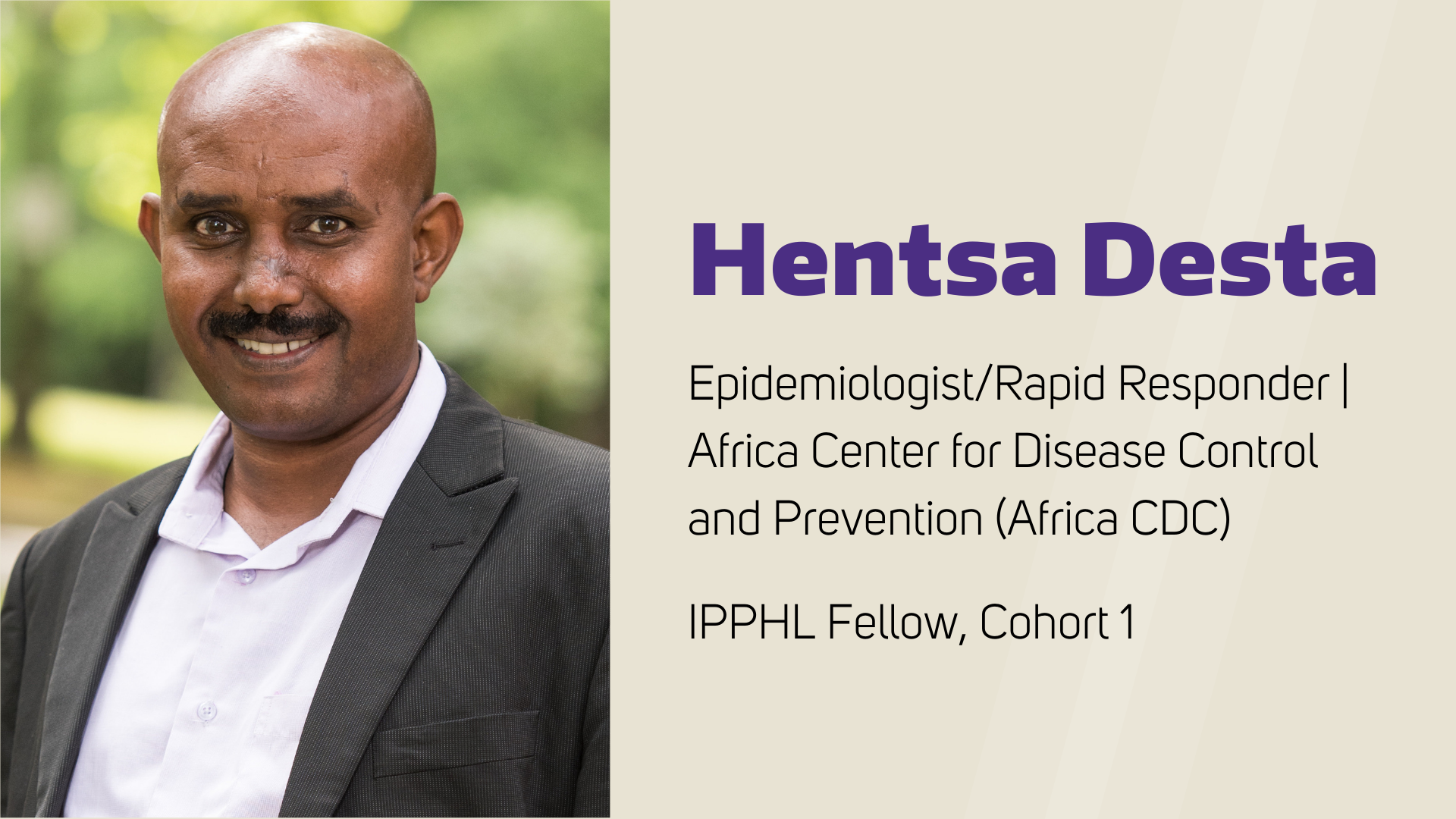
Hentsa Desta

Q&A with Hentsa Desta (IPPHL Cohort 1)

The IPPHL team spoke with Hentsa Haddush Desta, a Cohort 1 fellow from Ethiopia, working as an Epidemiologist/Rapid Responder for Africa Center for Disease Control and Prevention (Africa CDC) COVID-19 Preparedness and Response.

We talked about his recent work handling COVID-19 in the Tigray region of Ethiopia, and how he had to pivot from COVID response to wartime emergency management nearly overnight. He shared his experiences, challenges in leading during a multifaceted crisis, and how previous work and his time at IPPHL shaped his response.

You had mentioned you were engaged in the COVID-19 response in the Tigray region of Ethiopia in November, when the war began. Could you tell us a little about your work prior to November, and how the war affected this work?

The war broke on November 4 at midnight. My team had been there supporting the COVID-19 preparedness and response for the regional state. We were five health workers with different skill sets such as surveillance, case management, infection prevention and control, and community engagement. I was the team lead; three were deployed by the Ministry of Health and two of us by the Africa CDC. We were the ones who engaged with and where deployed by the federal ministry of health and EPHI/Africa CDC, to support the regional, zonal and district teams to scale up the COVID-19 preparedness and response down to the grassroots level.

As of November 3, 2020, we had tested about 87,787 samples and there were 6,738 positive COVID-19 cases and 47 deaths reported. At that time, there were also 353 active cases in treatment centers. And when the war broke out, we didn’t know where all those individuals with positive cases went. They probably escaped to their homes, so they would have been mixing with their families. We don’t know what the spread looked like after that. Even until today (09 March 2021), no one knows the COVID-19 status of the region.

At that time, all the COVID-19 activities and other health service delivery activities were interrupted or totally stopped because of the war. So, it seriously affected our work. We were supporting the region in surveillance, contact tracing, case management (especially the home-based isolation and care services), sample collection, and transportation as well. All of these services had been interrupted because of the war. It seriously hampered our active engagement in the health sector of that region.

How did you work around or overcome some of these challenges?

After the war broke in 04 November 2020; all the COVID-19 cases in treatment and isolation centers dispatched to their homes. Not only the COVID-19 cases, the health workers also escaped or fled from the treatment and isolation centers, health facilities, and surveillance sites. We tried to reach some of the critical COVID-19 cases. Some of them were elderly. We searched for them by visiting house to house, as there were no means of communication. The interruption of communication modality seriously affected the health facilities and major hospitals to provide care to delivering mothers and other people in need of emergency care. We brought some health workers from their homes to treatment centers and hospitals using our own cars to support the critical patients suffering at their homes, taking life or death risks by passing warring forces. We also brought supplies from private pharmacies to refill the out-of-stock medical stores at big hospitals. Even when they were officially closed, we negotiated with the pharmacies and store owners to bring us essential medicines for critical care patients. Because of our team’s engagement and support, we saved several lives who were at the brink of death. But our support was tip of the iceberg comparing to the scale of the crisis. Our movement was limited in the Capital City of Mekelle. We were never allowed to move out of the capital because of active war and security issues.

We don’t know the status of COVID-19 cases and contacts under follow up, where they went, or if they recovered or died. There was a complete black- out of internet and phone services and electricity. Mekelle is a big city and you could not track individuals at night; the patients came from the outskirts of the city, countryside, other zones and towns, and nearby soundings, so it was challenging for us to identify them and know their status.

The other issue is we were also supporting the emergency services of the major hospitals in Mekelle. Because of the war, the COVID-19 labs, logistics, and testing kits weren’t available. Even the sample collection kits and laboratory staff were not available. Since we could not operate at that level, we stopped working on COVID-19 shifted to support the other health emergency and humanitarian services in major hospitals in Mekelle city. We were trying our best to maintain these emergency services, especially for laboring mothers and their children, critical trauma patients, and those that in need of emergency surgery.

We were bringing health workers from their homes with our own cars to provide support for emergency and critical cases. There were also many people coming from the fields and nearby towns, the wounded people who had been affected by the heavy artillery, aerial bombing, and war. These casualties were also being treated in the emergency services. Even though there was a critical shortage of medical services, we were trying to bring any available medications from other stores and even local private stores to find essential emergency medication for those services.

What is the role of leadership and policy in emergency response?

I think during emergencies, the role of leadership is vital. In an emergency, everything is chaotic so no one understands the issues of the people suffering from illness, trauma, different accidents, psycho-social problems, etc. If a good leader comes, you can overcome some of these challenges even in the presence of multifaceted catastrophic emergencies. So the leadership role is especially vital in early warning, emergency preparedness and response, and post emergency recoveries. And in Tigray, in addition to the COVID-19 pandemic, the catastrophic war was also creating unexpected challenges with a complicated health and humanitarian crisis. In both those kinds of emergencies (COVID-19 and catastrophic war), leading health care delivery systems is difficult and needs smart and talented leadership and analytical skills, and knowledge of how to approach people and serve in the middle of catastrophic emergencies when people are struggling to live or die. A leader who can scan, focus, align, and mobilize resources, inspire the health workforce, plan, organize, implement, and monitor and evaluate is badly needed during this type of complex emergency, social and humanitarian crisis.

What types of skills and knowledge did you find the most useful to addressing the situation?

I learned the value of the strategic triangle in dealing with such type of unprecedented situations; negotiation and diplomacy, bridging especially the influence model. We reduced many disastrous factors by just talking to people diplomatically. By understanding their concerns, people will cooperate with you and support you. If you just approach them through honest diplomacy, even rival groups will give you resources and things that you need, as much as they can. For example, in this issue, some of the combatants were arrogant and they were killing civilians. We tried to approach their leader and talked to him politely, asked why they are killing people and after many conversations we convinced him and he ordered his troops to stop killing civilians, especially the young people in the town. He also cooperated with us and gave us one ambulance for the transportation of pregnant women, and allowed the ambulance to move even during the curfew time. In most of my experiences what I’ve learned is health diplomacy is an excellent agenda and should be incorporated as a discipline in our health system.

I think I benefited from the IPPHL training. I used it to convince these military personnel and heads to let us continue emergency services and avail ambulances for patient transportation. In communicating with them, I practiced leadership, management, and governance skills to convince stakeholders. We worked with the security forces and local people as well in hiring youth volunteers to support patients. We especially used the strategic triangle in identifying the critical challenges and potential support from partners and local communities, and collecting feedback from those consumers to ensure continued emergency and humanitarian services.

Can you tell us a little more about working with the youth volunteers?

The COVID-19 response needed youth engagement. We were training the youth volunteers to provide health education, especially to advocate handwashing and physical distancing practices in large markets and social gathering areas. We were in touch with those volunteers but when the war began, it was difficult to find them; we had to search for them one by one, and if we found one they could call their colleagues. we engaged some of them to support their people in IDP centers in shelter preparation, wash facility arrangement, and food items distribution. They were also supporting their people during the war by bringing pregnant women to hospitals for delivery, and wounded people from hotspots to health facilities, so it was great to engage those youth during that difficult time. Most of them are energetic and eager. Later, in the middle of the war, the military tried to search for and arrest the youth, so most of them had to hide. The youth were instrumental during the early time of war, they supported the system as much as they could and contribute a little to some of the unprecedented emergencies.

How did your team transition to the emergency services work in that time?

At that time we were forced to be compassionate. We were alone in Tigray, our families were in Addis, we had no communication with them, and we had no choice but to face the challenges in Tigray and provide some possible services to our communities there. We were a team. We were staying in one apartment and we were dispatching from that apartment to different facilities. There was a curfew; no one could move after 6 pm. So we had to respect those curfews because the security forces would shoot you if they caught you after 6pm. Even with ambulances you were not allowed to move. So my team was sacrificing just to save lives there taking risk of death at any time by anyone. I think my other team members were also the best of the best, better than me even.

This isn’t your first time working in emergency response. You’ve previously worked in Liberia to combat the Ebola crisis. Were there any lessons that you took from your experience there?

During the Ebola outbreak in 2014 to 2016, every media platform was sharing horrific images of the outbreak in Liberia, Sierra Leone, and Guinea. The United Nations and African Union called for support, and I was one of the volunteers who participated. My team arrived in Liberia in December 2014. And at that time every public and private facility was closed so there were functional health facilities in Liberia. And when we arrived, Monrovia was a ghost city. It was quite a special experience for me to be there, at that time. On our arrival there, no one moved in the streets; it was a horrific city to be in. We were trained by the Africa Union, US CDC, and WHO, and we engaged with the Ministry of Health and other partners operating there to support the response. Eventually we succeeded and contributed in eliminating Ebola in West Africa.

And in my experience there, I found myself in a critical environment with complicated emergency which is the Ebola pandemic. I was thinking only about Ebola, and the preventive and control measures. But during my experience in this Tigray issue, COVID-19 was there, circulating in the community, as well as devastating war. You don’t know who is going to kill you, what’s coming, you don’t know anything. There isn’t any information on what’s going on around you. I learned that policy makers, especially the UN and other international organizations, should think of actions to make emergency areas accessible. It can be war, flooding, or earthquakes; any emergency should be accessible as soon as possible without any limitations with security or other hindering issues. In Tigray we were facing two challenges, disease and the other man-made issue. The system should create some sort of response modality to address both of those issues so human suffering and casualties can be reduced. That is what I learned from this.

What advice would you give others looking to become leaders in emergency response?

Those who are thinking of being engaged in emergency response should be patient, critical thinkers, and impartial and neutral in any circumstance. Everyone can cooperate with you if you are impartial, if you are neutral, if you are honest and genuine, and if you can share genuine ideas to the community during emergencies. We should also develop leadership practices, like inspiring, critical planning, monitoring and evaluation, implementing, being accountable, and being loyal. The other thing is that anyone who is engaged in emergency response must be smart in surveillance and disease intelligence as well as a quick responder and analyzer. Patience is also equally important during emergencies. If you are rushing you may fail to reach the goal you planned. Teamwork is also an essential component, especially creating a functional team that can work under pressure for long periods of time, sometimes even without food, water, or sleep, and in full PPE.

Is there anything else you’d like to share?

I will add that the situation in the region is still catastrophic. The UN’s security council is in a meeting concerning the Tigray region of Ethiopia, so for me, I think the international and regional community and other organizations should influence the combatants to restore at least the basic social services including health services to avoid the health and nutritional related hunger, deaths, and other catastrophes in the region. Currently (as of 09 March 2021), only 20% of all the health facilities are operational. And even those 20% are not fully functional; only their emergency services are functional. I’ve seen women and children being raped and beaten and having their arms and legs cut by the warring forces. People are suffering while the international community is reluctant to take measures against the warring parties. There are about 6-8 million people in the Tigray region, and they need food, medicine, health care workers, clean water, and shelter and other basic amenities. There is also no transportation to deliver life-saving commodities. The forces are preventing delivery of life saving commodities from reaching those most in need. There is no power, phone, or internet connection in almost all zones, districts and towns. I just want to pass some message to the global community that; these human rights violations, war crimes and crimes against humanity should be addressed as soon as possible before it escalates to the worst scenario. Delays to take swift action may cause unprecedented outcomes and may be one of the most unseen deadliest genocides in human history during the 21st century. ‘May the Almighty God save the people in sufferings and return their peace at the most possible time.’

I thank you so much!
NAPA Social Equity Leadership Conference

The 20th Annual National Academy of Public Administration (NAPA) Social Equity Leadership Conference (SELC) was held June 9 – 11, 2021. The theme, “Fostering Social Equity: Innovation and Change,” emphasized developing and promoting concrete actions with lasting impact. The conference provided a space to discuss how public administrators can develop a broader understanding of social equity and recognize social equity’s implications within the administrative context.

Social equity—a key pillar of public administration alongside economy, efficiency, and effectiveness—addresses fairness, justice, and equity within a variety of public contexts. In its continuing fight for social equity in public administration, NAPA envisions transforming the public administration landscape and the public it serves by developing a framework that would enable public administrators, policy makers, legislators, and other like-minded organizations at all levels of government to assess the social equity impact of proposed legislation, regulations and policies and make necessary adjustments before they are implemented.

Q&A with Dean Jodi Sandfort and Gary Glickman, Standing Panel on Social Equity in Governance Chair, NAPA

Understanding Social and Economic Factors of Social Infrastructure

Given events of the last few years, many things are changing in our political, economic, and social lives.  This panel provides cutting edge research to help us understand some of these changes, from the racial reckoning and social response that pulled down confederate statutes to changes in the workforce and contracting practices during COVID and in recent years.

Blueprint for a Just & Equitable Future: Washington State’s 10-Year Plan to Dismantle Poverty

Stubbornly high rates of poverty are the product of inherently unjust and unequal policies, programs, and practices that have underwritten our economy for decades. In response, Washington state Governor Jay Inslee created a Poverty Reduction Work Group (PRWG) in 2018, tasking the group with the creation of a comprehensive, 10-year plan to dismantle poverty. With sincerity and humor, PRWG members Jennifer Bereskin, Drayton Jackson, Lori Pfingst, and Shereese Rhodes will share the journey to create the plan – the trials and tribulations of overcoming institutional distrust of agencies, the implicit biases we hold about people experiencing poverty and those serving them, how we are all undermined by systems underwritten by white supremacy, and the power in recognizing each other’s humanity.

Racial Justice: Not a Zero Sum Game - Government’s Role in the Racial Justice Reckoning

Panelists from the Seattle Office for Civil Rights discuss about the growing polarization and entrenchment surrounding the racial justice reckoning the country is experiencing; how the Seattle Office for Civil Rights’ Race and Social Justice Initiative is structured and works; our journey to rebuild accountability to community; and how city departments make the work of antiracism their own.

Public Matters 2021

Public Matters 2021: Transforming Public Service Logo

On May 13, the Evans School community convened for Public Matters 2021. We heard from six amazing and dynamic storytellers as they shared their own reflections on this year’s theme, “Transforming Public Service.” Attendees were invited to listen and learn, and called upon to engage and commit to a new vision for anti-racist public service by sharing their gifts with the Evans School – whether they be time, experience, or financial gifts – as we build a community of reciprocity.

The inaugural Public Matters was a true celebration of the knowledge of our wider community. Watch the recording, learn more about our storytellers and their work, explore the takeaways, and join us as together we envision inclusively built societies powered by brave leadership, rigorous action, and collective wisdom.

Watch the Full Recording:

Our Public Matters Storytellers:

Priya D. Saxena, MPA (They/Them)

Founder + President of Equitable Future

Equitable Future is a strategic anti-racism and justice consulting firm that works with change makers across the Puget Sound region to reimagine and transform our communities. They do this by envisioning an unapologetically equitable future, unpacking white supremacy culture from our values, relationships, and institutions, telling bold truths to make strategic, fact-based decisions, and redistributing power to generate enduring, positive change. Priya is queer and nonbinary; they live in Tacoma with their partner, two cats, and growing houseplant collection.

Karen A. Johnson, Ph.D. (She/Her)

Director of the Washington State Office of Equity

Appointed by Gov. Jay Inslee to this post in February, 2021, Johnson’s office will work with WA agencies to increase access to equitable opportunities in order to bridge opportunity gaps and reduce disparities. Dr. Johnson has worked for the US Department of Veterans Affairs, and serves as adjunct faculty at The Evergreen State College, teaching courses in dismantling racism and identifying bias in public service settings for the master of public administration program. She holds both a PhD and Master of Public Administration.

Amanda Lee (They/Them)

Volunteer Field Director at The Heron’s Nest Outdoor

They are based out of Seattle, WA, on unceded Duwamish Territory. Both initiatives are focused on restorative justice through land restoration and sustainable education. Amanda is working collectively with The Duwamish Tribe and local community organizations to reimagine an equitable community powered future. Follow them on social media: @sharedspacesfoundation, @heronsnestoutdoor

Sara Levin, MPA (She/Her)

Vice President of Community Services at United Way of King County

Sara thrives working across sectors, connecting communities and people to resources, and keeping racial equity central to her work. Her 30-year career in Seattle has offered exciting and varied experiences from direct service with Russian-speaking refugees, to a stop at the Evans School, then leadership roles in government and philanthropy, including an unforgettable opportunity in 2018 helping members of Pearl Jam amplify the issue of homelessness in King County.

Evan Cook, EMPA (He/Him)

Community advocate and leader in the City of Federal Way and surrounding areas.

As a philanthropist on a mission to heal the community, he founded Restoring Mindz LLC, a public speaking and clothing company. His mission is to rebuild this world through service and inspiration helping at risk youth find their purpose. Support his work, and follow him on Instagram: @Iam_evancook

Jodi Sandfort, Ph.D. (She/Her)

Dean and Professor at the Evans School of Public Policy & Governance

Jodi Sandfort, joined the Evans School as dean in January 2021. Her work focuses on improving the implementation of social policy, particularly those policies designed to support low-income children and their families. She is an elected member of the National Academy of Public Administration, a distinguished honor recognizing her innovative leadership in the field. Dean Sandfort has worked as a consultant with national and statewide foundations, think tanks, and other nonprofit human service organizations.

Thank you to our sponsors

  • The Hon. Bobbe & Mr. Jonathan Bridge
  • Nancy & Ben Remak
  • Amazon
  • The Association of Washington Cities
  • Cascadia Consulting Group
  • Civic Ventures
  • Costco Wholesale
  • University of Washington Alumni Association
  • University of Washington Office of External Affairs
  • The William D. Ruckelshaus Center

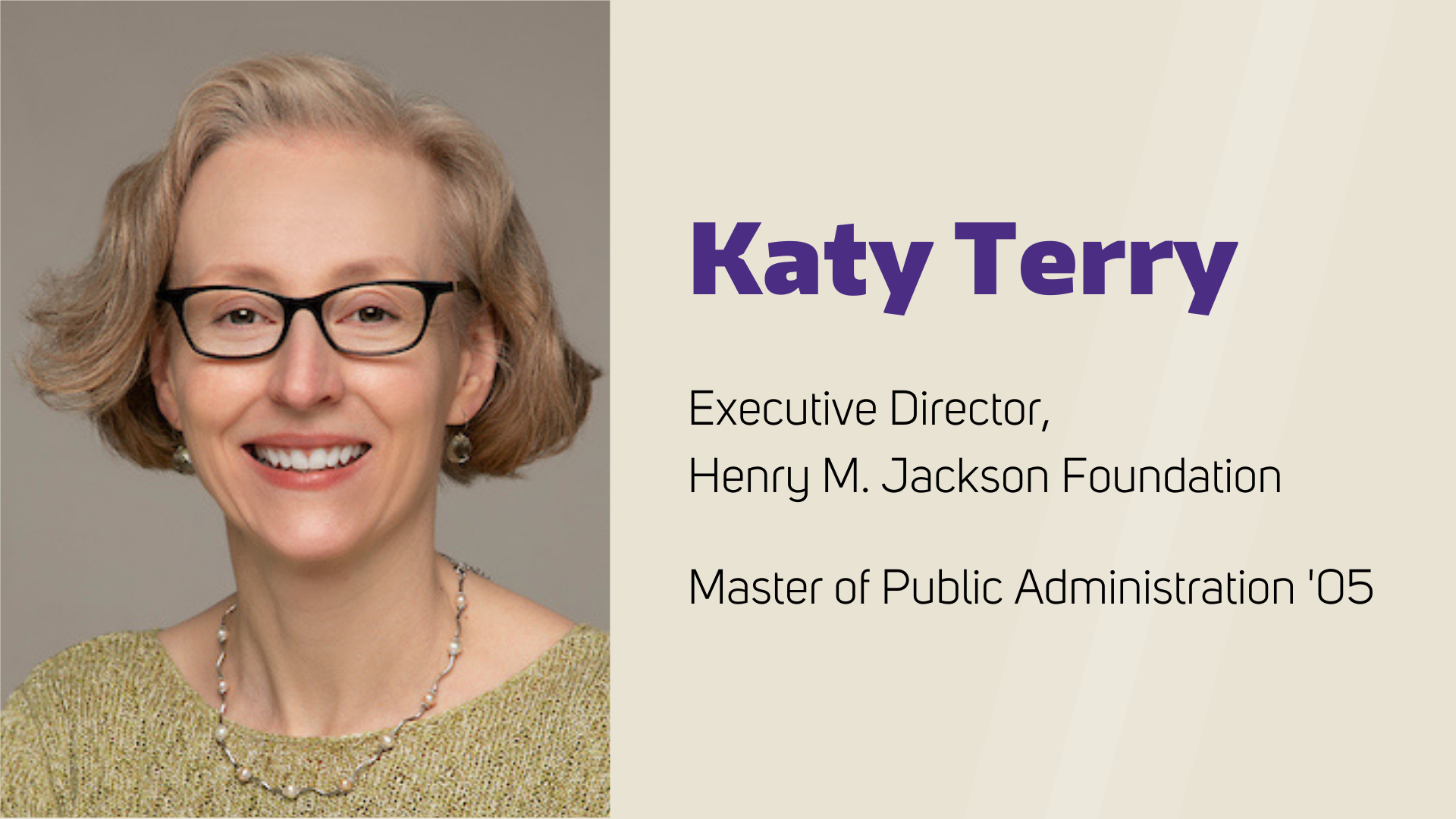
Supporting Values-Based Leadership: Katy Terry, MPA ’05

Katy Terry

As the Executive Director of the Henry M. Jackson Foundation, what are one or two things you’d want everyone to know about your work?

Some know the Jackson Foundation through our grantmaking at UW, including the Jackson Environmental Fellowships at the Evans School. Fewer are aware of our other climate, human rights and civic leadership work. For instance, we were an early contributor to efforts linking climate change with national security, as a method to bring bipartisan support to climate action. President Biden’s climate agenda, with a climate seat on the National Security Council, is an exciting embodiment of this idea that we helped incubate. In addition, six years ago the Foundation started the Jackson Leadership Fellows program, to support early- to mid-career civic leaders through a program based on values-based leadership. The Jackson Fellows Network now includes over 50 Jackson Leadership Fellows, who are individually and collectively making a big impact in the community.

What’s a new, fresh approach you have brought to your job?

It’s relatively easy to gauge your effort, and harder to assess the difference you’re making, especially with big issues like climate change. Through strategic planning, we’re starting to articulate the impact we hope to make and assess how we’re doing. This is new for most of us, and it’s exciting to approach our work in a learning mode, rather than focus on perfection.

What do you think the state of your field/organization will be in 2030?  What will be the same, and what will be different? 

So much has changed in the last year, predicting 2030 is tough! I believe many aspects of the nonprofit and public sectors will be forged or influenced by this past year. I am hopeful that root causes and solutions will become the main focus of these sectors, to address the existential threats that we are facing, including systemic racism and climate change.

What contributed to your decision to pursue a career in support of the public good? Was there a defining moment in particular?

My family was oriented towards service (my father was a priest and my mother a teacher), and I expected to follow suit. Tutoring high school students while I was in college crystallized this for me. The students were risking a great deal for their education (under a regular threat of gun violence at a rough time in New York), and I was so inspired by them. It shaped how I think about education, my unearned privileges, and how individuals can make a difference.

What is your favorite podcast these days? What is a great book you have read recently? Or the “GOAT” (greatest of all time) book you’ve read?

I first read James Baldwin’s Another Country when I was just out of college and living in Russia. I was thirsting for English, and this book was so beautiful and crushing; it’s the only book I reread immediately on finishing it the first time. I read it again last year, and continue to find it startlingly modern and insightful about sexuality, race, art and relationships.

How does your Evans education impact how you approach your work today?

I took an elective on technology and nonprofits, which influences how I think about an organization’s resources. Once, the instructor described a client that was touting their use of a broken stapler, to prove fiscal responsibility. However, that stapler wasted staples, paper, and – most importantly – time, and replacing it would have cost ten dollars. Often staff time is not valued like things you go out and buy. Yet it’s central to how we accomplish our mission. I now try to be mindful about how we spend our time, and value small, low-tech changes that can better use our time and treasure.

If you could give Evans School students one piece of advice, what would it be?

My career path hasn’t been linear, and I’ve been wary of long-term career plans (I did the concurrent Jackson School program in Russian Studies and associate them with Soviet Five-Year Plans). Frequently, I had seemingly random responsibilities or jobs that felt like they were going nowhere, only to discover that I had gained experience that eventually opened doors. I highly recommend taking advantage of even short-term opportunities to gain new experiences and skills. They can be interesting challenges, and I wouldn’t have gotten my last several jobs without them.

We’d love to learn more about you and your tremendous contributions to the public good, so we can share your story as we connect, learn, and reflect. Share your story!